Australian Real Wages to Lag Inflation Until Mid-2027, RBA Warns
Australian Wages to Trail Inflation Until 2027, RBA Says

The Reserve Bank of Australia has issued a stark warning that Australian pay packets will continue to lose ground to inflation for another two years, with real wage growth not expected to recover until mid-2027. This prolonged squeeze threatens to deepen the cost-of-living crisis for millions of households across the nation.

Inflation Outpaces Wage Growth Until 2027

According to the RBA's latest Monetary Policy Statement, published last Tuesday, inflation is projected to run faster than wage growth until at least mid-2027. This forecast locks in a further erosion of household purchasing power, with real wage growth—a key measure of how much workers can actually buy with their pay—remaining stuck around 2011 levels despite recent headline pay rises.

Economic Squeeze and Household Impact

Economists argue that this extended squeeze is necessary to bring inflation under control, but it all but guarantees households will rein in discretionary spending this year, adding pressure to the broader economy. Australia's inflation rate currently sits at 3.8 per cent, prompting the RBA to lift interest rates last week for the first time in two years, raising the cash rate to 3.85 per cent.

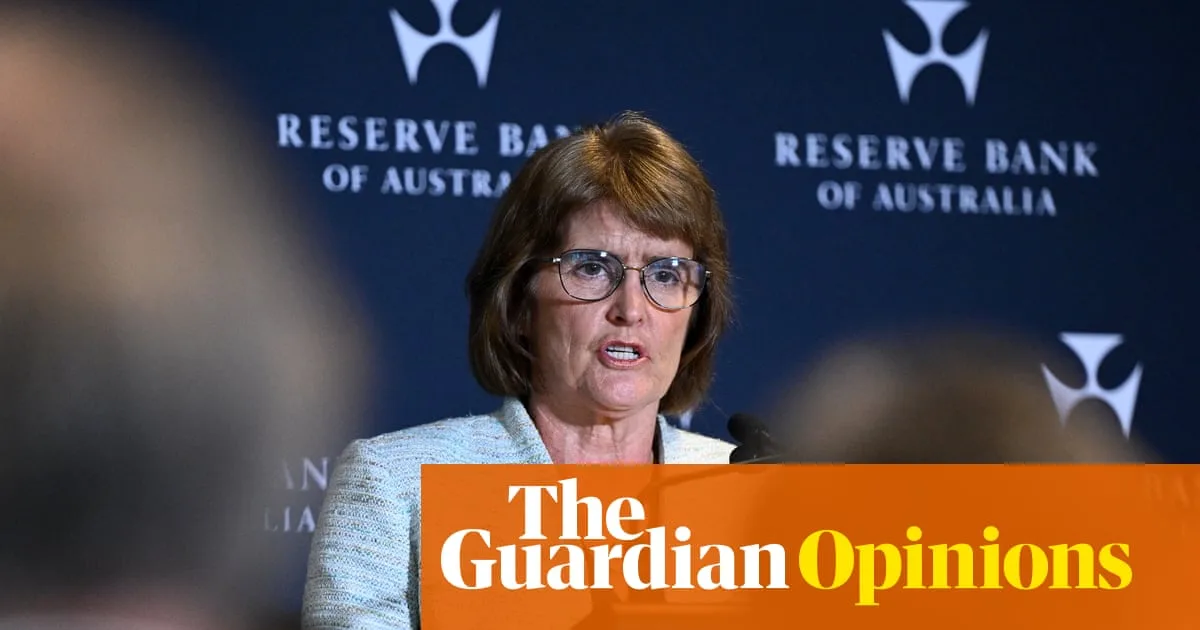
RBA governor Michele Bullock blamed government spending for reigniting inflation and warned that price pressures are unlikely to return to the 2–3 per cent target band until mid-2028. The hike was widely expected by economists, with inflation forecast to climb to 4.2 per cent this year.

Union Demands and Industrial Action

Australian Council of Trade Unions secretary Sally McManus said employers are under mounting pressure to deliver pay rises of more than 4 per cent this year, as real wages continue to go backwards and unions ramp up industrial action in response. 'In order to just keep up, you need a four per cent pay increase,' she told the ABC. 'There will be strike action if we can't get wages that will keep us ahead.'

Living Standards and Consumer Confidence

KPMG chief economist Brendan Rynne said the outlook suggests people's living standards will stagnate. 'It wouldn't surprise me to see consumer confidence take a hit in the next couple of months as increased interest rates start to hurt some households,' he told the AFR.

Declining real wage growth erodes household budgets because pay rises are failing to keep pace with the rising cost of goods and services. According to the latest ABS data, median weekly earnings were $1,436 for all employees, $1,674 for males and $1,250 for females.

Older Australians and Retirement Delays

That pressure is increasingly being felt by older Australians. New research from Finder estimates more than 1.2 million people either postponed retirement or re-entered the workforce over the past two years, with most doing so to ease cost-of-living pressures.

Superannuation expert Alison Banney said the dream of a comfortable retirement is slipping further out of reach. 'Rising costs aren't just squeezing younger Aussies - they're hitting older people hard enough that some are delaying retirement or heading back to work,' she said. 'While a handful are jumping back in because they want something to do, the majority are just trying to stay afloat.'

Fragile Household Budgets

New research by insurer Youi reinforces just how fragile many household budgets have become, with 42 per cent reporting their financial situation has worsened in the past two years. Monthly bills (47 per cent), grocery costs (44 per cent), and the growing need to dip into savings are the top financial stresses continuing to drag Australians down.

The findings reflect a broader economic trend, with the latest ABS Consumer Price Index showing housing (+5.5 per cent) and food (+3.4 per cent) as the largest contributors to annual inflation.

Home Ownership Dreams Fade

Chief customer officer Anthony Antonucci said Australians are under real pressure. 'The Australian dream is impacted, with almost half of respondents believing they may never be able to afford a home of their own, and a further 11 per cent stating that home ownership won't be possible for them within the next 10 years,' he said. 'Only 5 per cent feel confident that they could purchase a home in 2026.'

This comprehensive analysis underscores the challenging economic landscape facing Australian workers and households, with real wage growth lagging inflation for years to come, prompting calls for action and raising concerns about long-term financial security.