Three Australian Millionaires Demand Higher Taxes on the Super-Rich
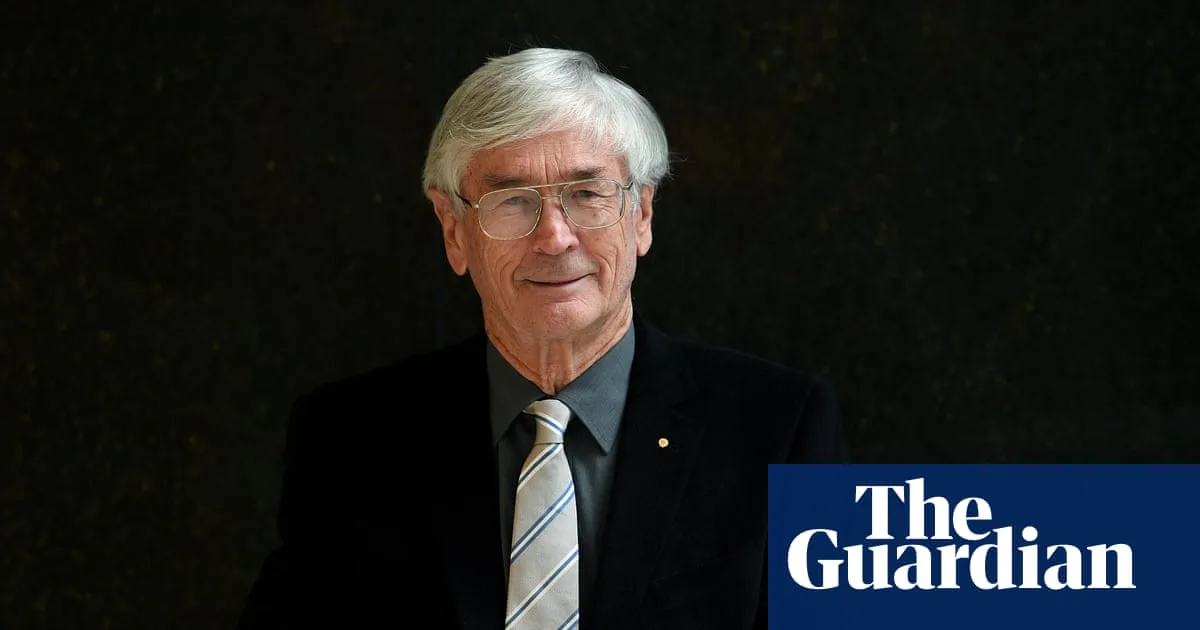
Businessman Dick Smith is one of only three Australians among the hundreds of millionaires and billionaires who signed an open letter last month calling on governments to increase taxes on the super-rich. The letter, timed to coincide with the World Economic Forum in Davos, argued that extreme wealth pollutes politics, drives social exclusion, and fuels the climate emergency.
Australian Signatories Speak Out
Dick Smith, Graham Marr, and Richard Barnes were the sole Australian representatives among nearly 400 global millionaires and billionaires endorsing the call for higher taxes. Smith told media outlets he joined the initiative because it would "benefit us greatly," noting that many Australians live pay packet to pay packet with no savings.
He stated, "One of the things I've said consistently is the top 1% should pay 15% more tax. Because the top 1% have the wealth equivalent to about the bottom 30%." This adjustment would raise the top tax rate to approximately 60%. Smith and his wife have donated over $90 million and aim to reach $100 million in charitable giving.
When asked why more wealthy Australians did not sign, Smith attributed it to "probably greed," criticizing some billionaires for not contributing to charity. Guardian Australia contacted Australia's top 10 billionaires for comment but received no direct responses, though three indicated they were engaged in other philanthropic efforts.
Arguments for Wealth Tax Reform
Graham Marr, who amassed wealth in the tech sector, highlighted that Australia's 48 billionaires hold more wealth than the bottom 40% of the population, or 11 million people. He warned, "The disparities are amplifying elitism around the country, and that opens doors for people when you have wealth, because it means access to lobbying and political donations."
Marr proposed that a 5% wealth tax could generate around $17 billion annually for childcare, housing, and healthcare. He criticized governments for failing to manage the growing wealth divide, noting that media misinformation often turns tax discussions negative.
Richard Barnes, an anaesthetist with $5 million in assets, emphasized that wealth disparities exceed income disparities and are harder to capture due to tax avoidance opportunities. He advocated for a more progressive income tax system, tighter capital gains discounts, and an inheritance tax, stating, "A wealth tax and an inheritance tax say: 'we don't care how you got your wealth, a slice is going to public revenue.'"
Political and Economic Context
Treasurer Jim Chalmers has hinted at changes to capital gains tax in the next budget but ruled out an inheritance tax. Meanwhile, an Oxfam report revealed that eight new Australian billionaires have emerged since 2020, with the total 48 increasing their wealth by nearly $600,000 daily over the past year.
Economist Saul Eslake noted that Australia lacks recent data on wealth inequality, but ABS figures from 2019-20 show the wealthiest 20% own 62.8% of household wealth, up from 59% in 2003-04. He pointed to property ownership as a key driver, with home ownership among ages 25-34 dropping from 61% in 1981 to 43% in 2021.
Philanthropy vs. Systemic Change
Smith joked that he gives away wealth for "selfish reasons" because it feels good, but he criticized the perception that billionaires are generous, calling some "stingy billionaires." While seven super-wealthy Australians have signed the Giving Pledge, Rebecca Gowland of Patriotic Millionaires argued philanthropy alone cannot fix systemic issues.
She stated, "We need to address extreme wealth in a mandatory way that obliges all wealth holders to contribute their fair share – just as it obliges all ordinary people to contribute. That's the backbone of a functioning democracy."