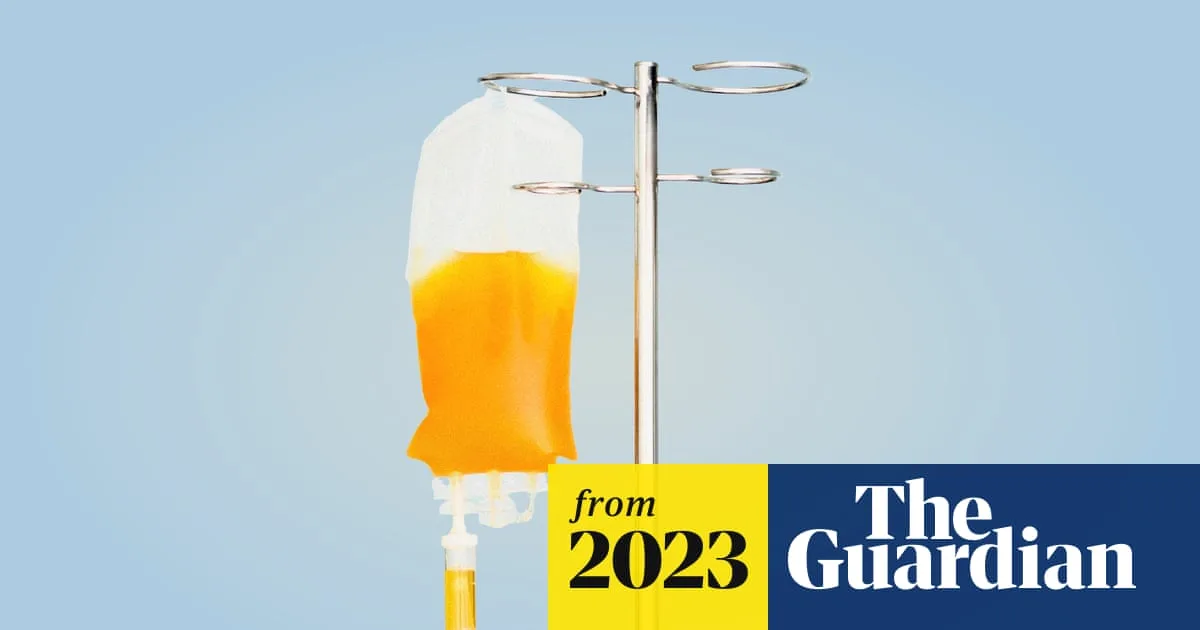
As the cost of living crisis deepens, millions of Americans are turning to an unconventional source of income: selling their blood plasma. The United States is one of only five countries globally – alongside Austria, the Czech Republic, Germany and Hungary – that permits payment for plasma donations. With a growing population facing financial hardship, the US has become a primary supplier of this essential bodily fluid, which is processed into profitable medicines.
An estimated 20 million people in the US sell their plasma each year, drawn by the promise of hundreds of dollars a month for donating twice a week. Over 1,000 paid plasma centres operate across the country, often located in poorer neighbourhoods and near college campuses. These facilities lure donors with financial rewards, effectively replacing the social safety net for many who struggle with stagnant wages, rising housing costs, and unaffordable essentials like fuel.
The global blood plasma industry was valued at $24bn in 2021, with the US dominating supply. Despite its scale, the practice remains largely hidden from public view, often marginalised as unsavoury. Yet it has become a staple of the gig economy, with teachers, students and low-income workers relying on it to make ends meet. Inflation has reportedly driven even more people to plasma centres, highlighting the economic precarity that underpins the system.
While plasma centres sometimes appeal to altruism, the primary motivation for donors is financial necessity. As one observer noted, “blood money often fills in the gaps” left by inadequate wages and soaring costs. The industry thrives on economic desperation, with donors frequently confessing their involvement in hushed tones, as if ashamed of this hidden part of the American economy.