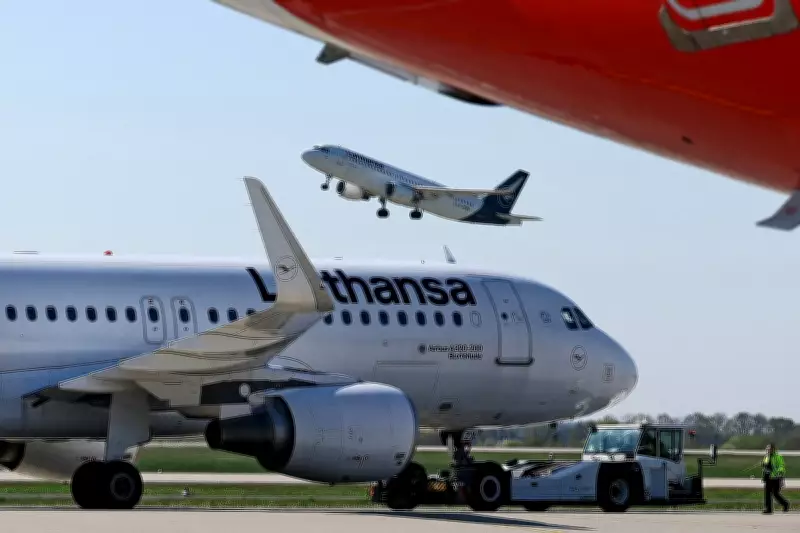
The global aviation industry is facing significant disruptions as airlines cancel flights and impose additional charges in response to soaring jet fuel prices, driven by ongoing conflict in the Middle East. According to aviation analytics firm Cirium, approximately 13,000 flights were cancelled worldwide in May, resulting in two million fewer available seats. While this figure may seem substantial, it represents only a 1.5 percent reduction in total global aviation capacity, as noted by The Independent's travel correspondent Simon Calder. These cancellations are primarily attributed to the high cost of jet fuel rather than any supply shortages.
Major Airlines Affected
German carrier Lufthansa and Turkish Airlines account for a large proportion of these grounded services, with both airlines opting to cancel flights as a cost-saving measure. In the UK, some Lufthansa operations have been impacted, though passengers are often re-routed; for instance, those planning to fly from Glasgow to Frankfurt may now depart from Edinburgh instead. Heathrow Airport has recorded just over 100 cancellations, but these are extensions of previously planned disruptions to Gulf region airports, with resumption dates further delayed.
Meanwhile, Spirit Airlines announced it was winding down operations on 2 May, cancelling all flights after failing to emerge from bankruptcy. The decision followed the airline's inability to secure a crucial $500 million bailout from the Trump administration. Like many carriers, Spirit struggled with intense pressure from soaring aviation fuel costs, which have roughly doubled since the outbreak of the Iran war.

UK Government Monitoring
In the UK, the government has stated it is "closely monitoring" the nation's jet fuel stocks amid growing concerns over a potential shortage. This comes as airlines prepare for possible disruptions to air travel. Despite the looming threat, UK airlines have insisted they are "not currently seeing a shortage of jet fuel," according to an update from the Department for Transport (DfT) on Friday evening. The DfT noted that carriers typically purchase fuel in advance and airports maintain their own reserves. However, airports are set to ease regulations, allowing airlines to cancel flights without forfeiting their allocated slots should fuel scarcity prevent operations.
European Commission Measures
The European Commission proposed a series of measures to address the impact on the region's energy markets from the U.S.-Israeli war with Iran. The measures, announced in a package called 'AccelerateEU', include optimising the distribution of jet fuel between EU countries to avoid shortages.
Airline Responses in Alphabetical Order
Aegean Airlines: The Greek carrier expects suspended Middle East flights and a spike in fuel prices to have a "notable impact" on its first-quarter results.
AirAsia X: The Malaysian airline has cut 10% of flights across the group, with a surcharge of about 20% on fuel.
Air France-KLM: The group plans to increase long-haul ticket prices by 50 euros ($58) per round trip. KLM cancelled more than 150 European flights due to rising fuel costs, including 80 return flights out of Amsterdam’s Schiphol airport over the next month.
Air Canada: Canada's largest carrier will trim four of its 38 daily flights to New York from 1 June to 25 October 2026 due to higher fuel prices.
Air India: The Indian carrier revised its fuel surcharge to a distance-based grid, noting that surcharges on international routes did not compensate for the exponential rise in fuel prices.
Airline Operators of Nigeria: Nigeria's government capped jet fuel prices and allowed airlines to purchase supplies on credit, averting a planned nationwide shutdown of flight operations.
Air New Zealand: The airline slashed flights through May and June and hiked fares, suspending its full-year earnings forecast due to fuel market volatility.
Air Transat: The Canadian airline reduced planned capacity by 6% from May to October, with cuts on routes to Europe and the Caribbean and its service to Cuba suspended until October.

Akasa Air: India's Akasa Air introduced a fuel surcharge ranging between 199 and 1,300 Indian rupees ($2 to $14) on domestic and international flights.
Alaska Air: The U.S. carrier increased fees for checked bags and withdrew its full-year profit forecast as fuel prices pressured margins.
American Airlines: The U.S. carrier hiked checked baggage fees and trimmed certain benefits for economy passengers, expecting a $400 million increase in first-quarter expenses due to fuel.
Asiana Airlines: The South Korean airline slashed 22 flights between April and July due to fuel cost increases.
Cathay Pacific: The Hong Kong airline cut about 2% of scheduled passenger flights from mid-May to end of June, while its budget airline HK Express cut around 6% of flights. It raised HK$2.08 billion ($265.58 million) from three-year fixed-rate notes.
Cebu Air: The Philippines-based airline said the sharp rise in fuel prices was a key concern and would continue to review pricing and network strategies.
China Eastern Airlines: The airline raised fuel surcharges for domestic flights from 5 April, with surcharges of 60 yuan ($9) for flights of 800km and below, and 120 yuan for longer flights.
Delta Air Lines: Delta cut capacity by around 3.5 percentage points and raised checked bag fees, pulling all planned capacity growth for the current quarter and forecasting profit below expectations.
EasyJet: EasyJet Holidays assured customers no surcharges would be added, while the airline warned of a bigger half-year pre-tax loss and said European consumers should expect higher ticket prices towards the end of summer.
Frontier Airlines: The U.S. airline is reviewing its full-year forecast as fuel prices have increased significantly.
Greater Bay Airlines: The Hong Kong-based company raised fuel surcharges on most routes from 1 April, with surcharges for flights to the Philippines more than doubling.
Hong Kong Airlines: The airline raised fuel surcharges by up to 35% from 12 March.
British Airways (IAG): IAG, which owns British Airways, Aer Lingus and Iberia, is considering "pricing adjustments" to reflect higher fuel costs. A spokesperson said they are not seeing supply interruptions but fuel prices have risen sharply. Simon Calder reassured customers that BA will not come after them for more cash.
IndiGo: India's biggest airline introduced fuel charges on domestic and international flights from 14 March and is lobbying the government to cut fuel taxes.
Jet2: Britain's biggest holiday company vowed not to surcharge summer holidaymakers due to rising jet fuel costs.
JetBlue Airways: The U.S. low-cost carrier increased fees for optional services such as checked baggage and entered a $500 million debt financing agreement, ruling out bankruptcy this year.
Korean Air: The South Korean carrier entered emergency management mode from April, planning phased response measures based on oil price levels.
Lufthansa: Lufthansa Group cancelled 20,000 flights over six months to save 40,000 metric tonnes of jet fuel, permanently removing 27 Lufthansa CityLine aircraft and axing some routes entirely.
Norse Atlantic: The low-cost Norwegian airline cancelled its London Gatwick to Los Angeles route due to rising fuel prices.
Pakistan International Airlines: The carrier raised domestic fares by $20 and international fares by up to $100, citing higher fuel surcharges.
Qantas Airways: Australia's Qantas delayed a planned A$150 million buyback and raised its estimated fuel bill for the second half of 2026 to A$3.1 billion-A$3.3 billion.
Ryanair: CEO Michael O'Leary warned that several European airlines could face financial difficulties if fuel prices remain high, but affirmed Ryanair is "the best insulated, most hedged airline in Europe" and committed to no price increases or fuel surcharges.
SAS: The Scandinavian airline cancelled 1,000 flights in April due to high oil and jet fuel prices, after cancelling a couple hundred in March.
Spirit Airlines: Spirit ceased operations on 2 May. Customers with flights booked can expect refunds, but Spirit is not helping with alternative travel plans. Several competitors offered capped ticket prices for affected customers.
Spring Airlines: The Chinese budget airline raised fuel surcharges on domestic flights from 5 April.
Southwest Airlines: The American carrier forecast second-quarter profit below estimates and hiked checked baggage fees.
TAP: The Portuguese airline said price hikes would partially mitigate the impact of fuel price changes on revenue.
Thai Airways: The Thailand-based carrier raised fares by 10% to 15% to address rising fuel costs.
TUI: Europe's largest tour operator reassured customers that holiday prices are fixed with no fuel surcharges added, despite cutting its underlying operating profit forecast.
Turkish Airlines: The most severely impacted carrier, with over 3,000 flights cancelled affecting 23 routes. SunExpress, a joint venture with Lufthansa, imposed a temporary fuel surcharge of 10 euros per passenger from 1 May.
T'Way Air: The South Korean low-cost carrier planned to furlough some cabin crew without pay in May and June.
United Airlines: CEO Scott Kirby said ticket prices may need to rise by 15 to 20 per cent to offset fuel costs. The carrier forecast lower profits and expected to recover 40-50% of fuel price increases through fares in Q2, improving to 85-100% by Q4. It also increased checked bag fees.
Vietjet: The Vietnamese budget airline adjusted flight frequency on selected routes due to potential fuel shortages.
Vietnam Airlines: The carrier plans to cancel 23 flights per week across domestic routes from April, requesting government assistance to remove an environmental tax on jet fuel.
Virgin Atlantic: The airline is adding fuel surcharges but will still struggle to return to profitability this year.
Virgin Australia: The airline expects an increase in jet fuel cost of around A$30 million-A$40 million for the second half of this fiscal year and a 1% reduction in capacity in Q4.
Volotea: The Spanish low-cost airline introduced a new pricing policy linking ticket prices to fuel costs, potentially adding a post-purchase surcharge of up to 14 euros ($16.50) per passenger per flight.
WestJet: The Canadian airline cut seat capacity for June and added a C$60 ($43) fuel surcharge to some bookings.