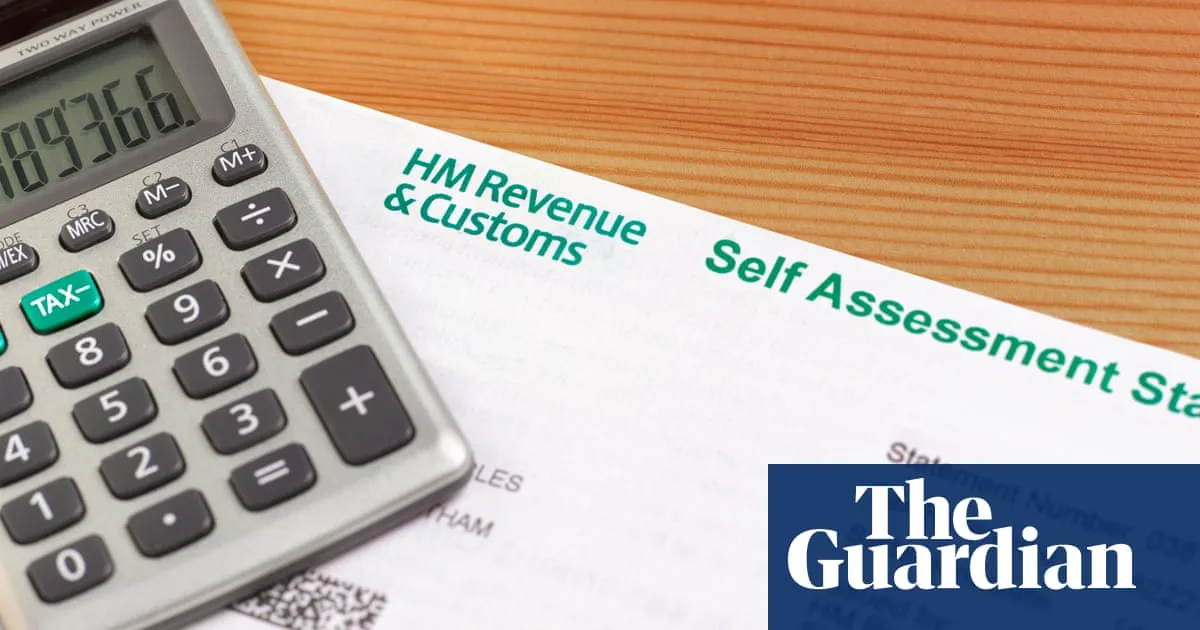
More than 1 million people have missed the deadline to file self-assessment tax returns and face a penalty starting at £100, HM Revenue & Customs has said. Taxpayers had until midnight on Friday to submit returns online. HMRC said 11.5 million people had done so in time, but that 1.1m returns were outstanding.
A total of 732,498 people filed their return on deadline day, of whom 31,442 left it to almost the last minute, submitting theirs between 11pm and 11.59pm. Those who failed to complete their return in time face an initial fixed penalty of £100, which applies even if they were not due to pay any tax. The fine rises if the return has still not been filed after three months, then again after six and 12 months.
Changes have been made to take some taxpayers out of self-assessment, but the freezing of personal tax thresholds and recent high returns on savings have pushed others into needing to file a return for the first time. Charlene Young, a pensions and savings expert at the investment company AJ Bell, said: “The numbers show that the perfect storm of rising interest rates, reduced allowances and frozen tax thresholds in 2023-24 continued to whisk people into the tax return trap.”

Myrtle Lloyd, HMRC’s director general for customer services, said: “Thank you to the millions of people and agents who filed their self assessment tax return and paid any tax owed by 31 January. I’m urging anyone who missed the deadline to submit their return as soon as possible to avoid any further penalties.” On top of the initial £100 penalty, a charge of £10 a day is applied after three months up to £900 if a return is still not submitted. A further £300, or up to 5% of the tax bill, is applied after six months, and another £300 or 5% after 12 months, depending on which is the larger figure.
An IT outage at Barclays may have caused problems for some of its customers who wanted to pay their tax bill on Friday, but HMRC has said they should not face late payment fines as they will not be applied until 1 March.