
UK economy grows 0.3% in November, beating forecasts on car sector rebound
UK GDP grew 0.3% in November, beating forecasts, driven by car sector recovery after JLR cyber-attack. Ofwat investigates South East Water outages.

UK GDP grew 0.3% in November, beating forecasts, driven by car sector recovery after JLR cyber-attack. Ofwat investigates South East Water outages.
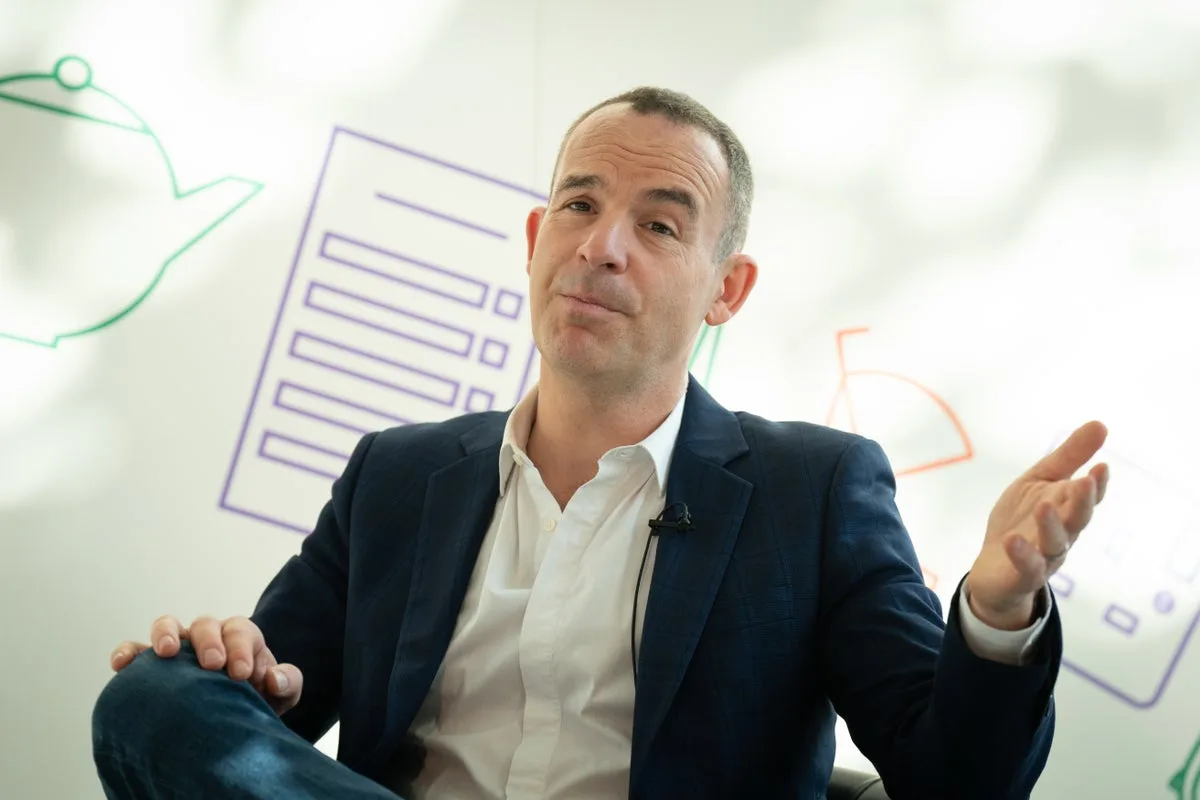
Martin Lewis explains the Help to Save scheme, offering 50% bonus on savings for Universal Credit claimants, with up to £1,200 over four years.
HMRC warns side hustlers earning over £1,000 must register for self assessment, claim allowable expenses, and prepare for Making Tax Digital from April 2026.
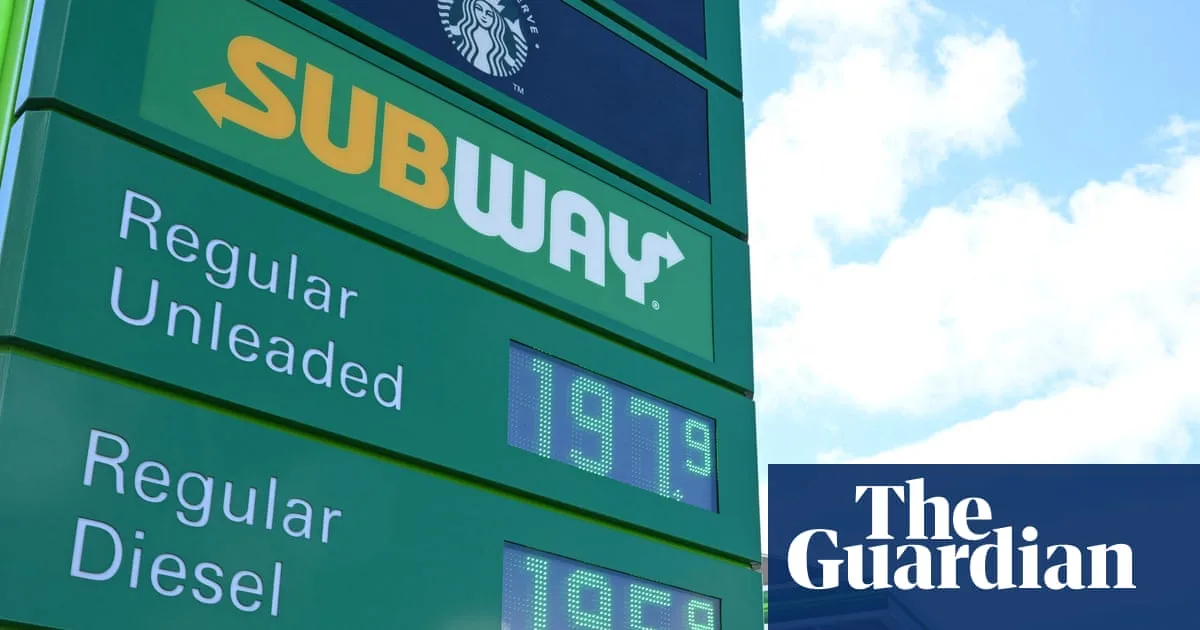
Analysis of six financial impacts on UK households from the US-Iran peace deal, including fuel, food, and energy costs.
ECB holds rates at 2% and 2.15% amid steady eurozone growth, low inflation, and looming US tariffs; Lagarde says risks tilted to downside.

Trump tariffs hurt US manufacturers like Jay Allen's firm, causing losses and job cuts, contrary to promised benefits.

UK to lose 163,000 jobs in 2026 as Iran war triggers economic crisis, hitting lower-income regions hardest, warns Item Club report.
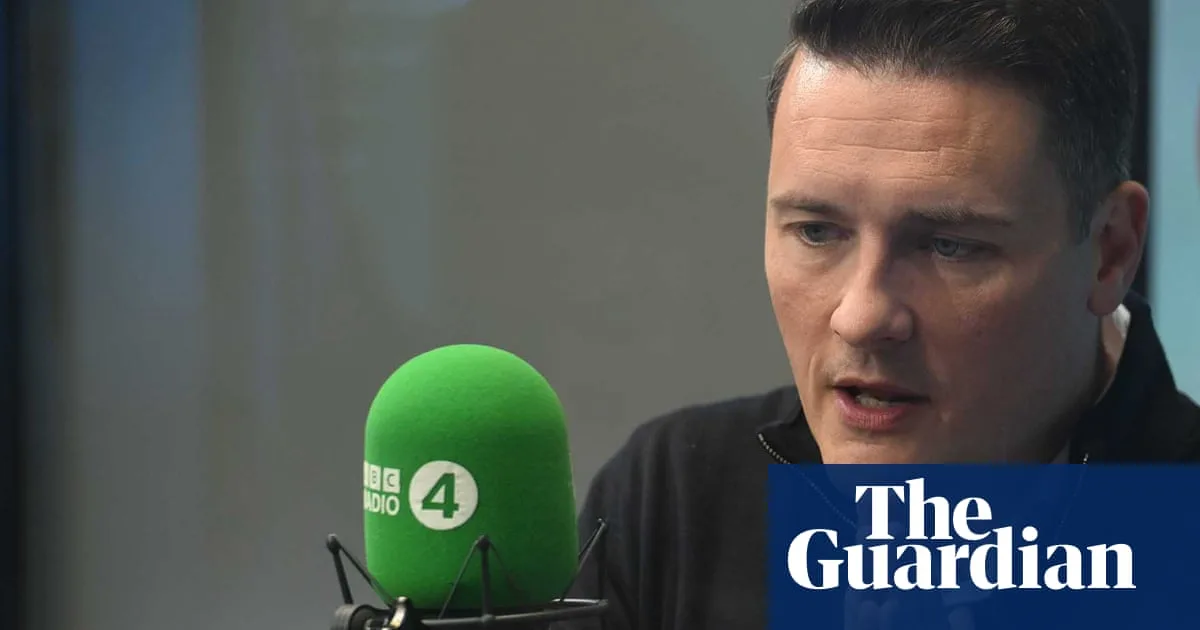
Wes Streeting proposes equalising capital gains and income tax rates, estimating up to £12bn raised annually, as part of his Labour leadership campaign.

In a Reddit Q&A, Andy Burnham reaffirms the triple lock state pension commitment, while Kemi Badenoch challenges him to face the press. He also addresses tax, HS2, and migrant returns.

From April, HMRC stealth tax changes including dividend tax rises, VCT relief cuts, and frozen thresholds will increase bills and pull more into higher tax brackets, experts warn.

UK economy grew 0.1% in November, weaker than forecast, easing pressure on Chancellor Rachel Reeves amid calls for faster growth.

Calls grow for UK government to automatically release £1.5bn in unclaimed child trust funds to young people at age 21.
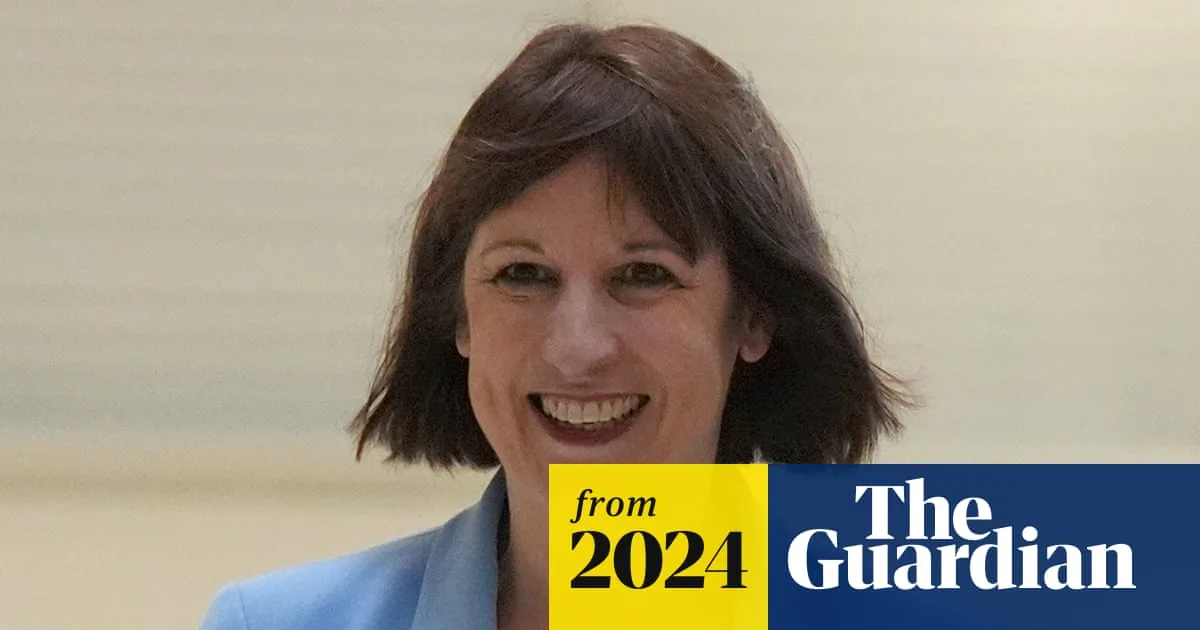
Resolution Foundation urges Rachel Reeves to raise over £20bn via CGT, IHT and NI reforms in next month's budget.
UK GDP grew 0.7% in Q1, driven by business investment ahead of Trump tariffs, defying warnings of a downturn.
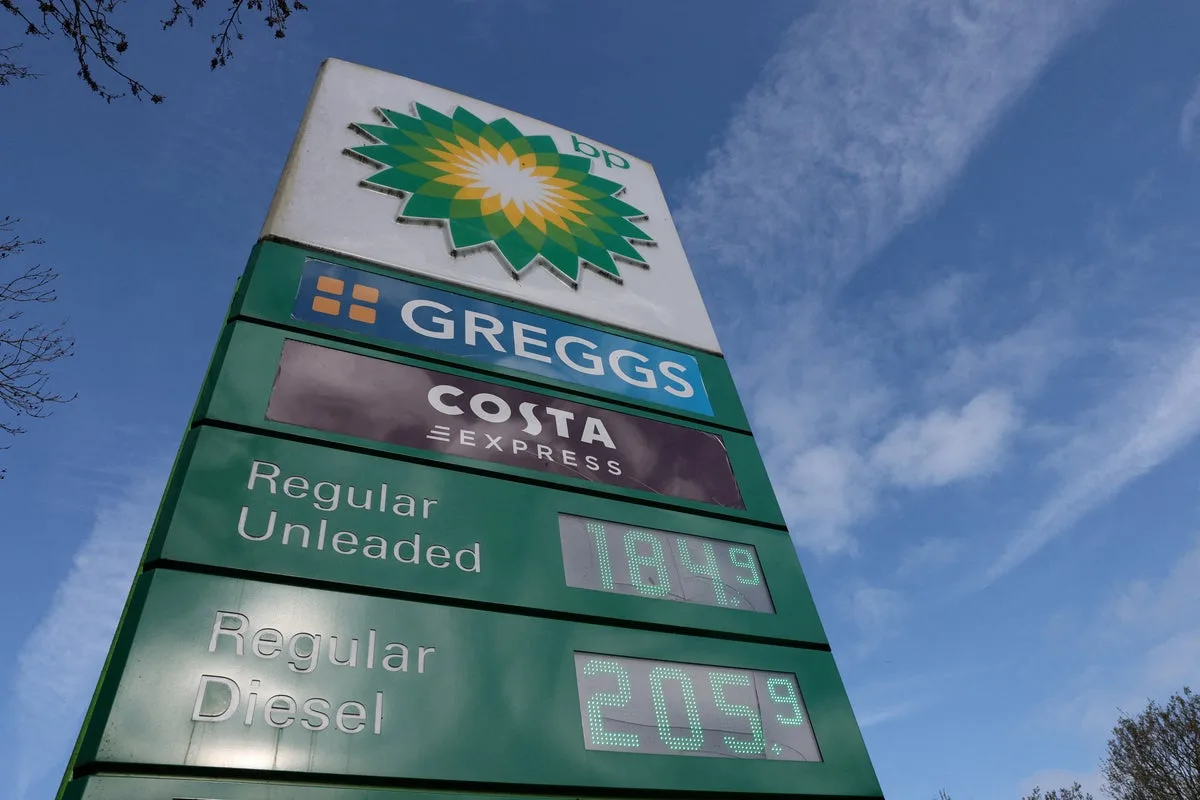
Three months into Trump's Iran war, UK faces soaring energy prices, rising inflation, and recession risk as economic recovery stalls.

Heineken to cut 6,000 jobs globally amid falling beer demand, lowers profit forecast, and faces CEO transition.

US added 130,000 jobs in January, beating expectations, but 2025 job growth revised down sharply to 181,000, weakest since pandemic.
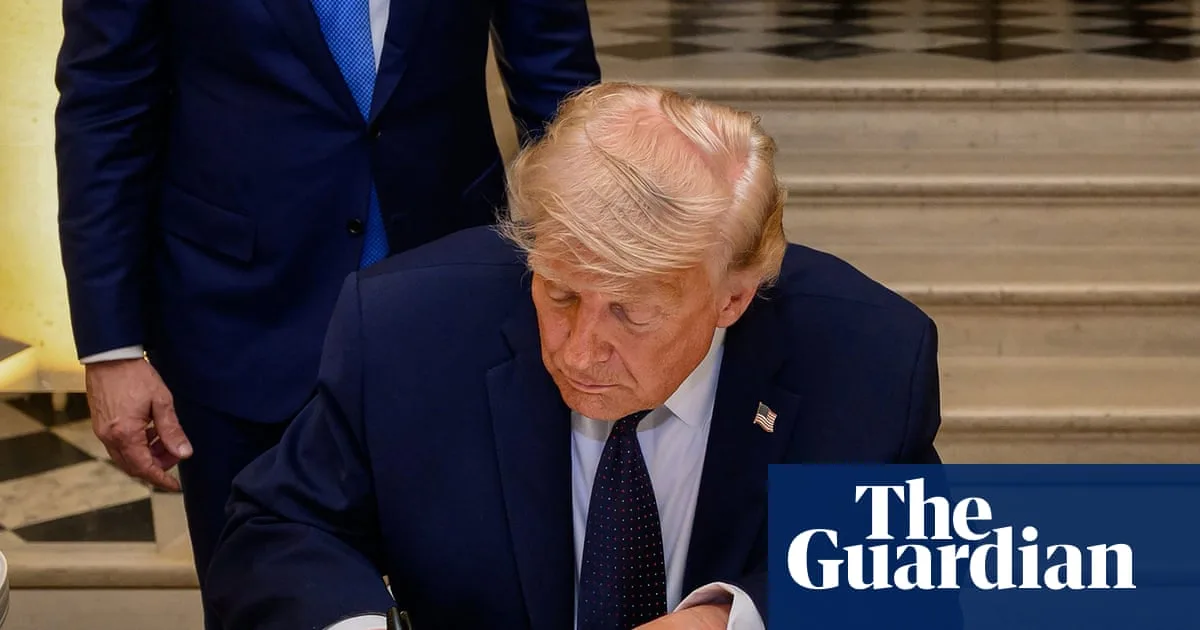
UK faces muted inflation but weak jobs market as Iran war impacts global economy; oil prices fall but uncertainty persists.
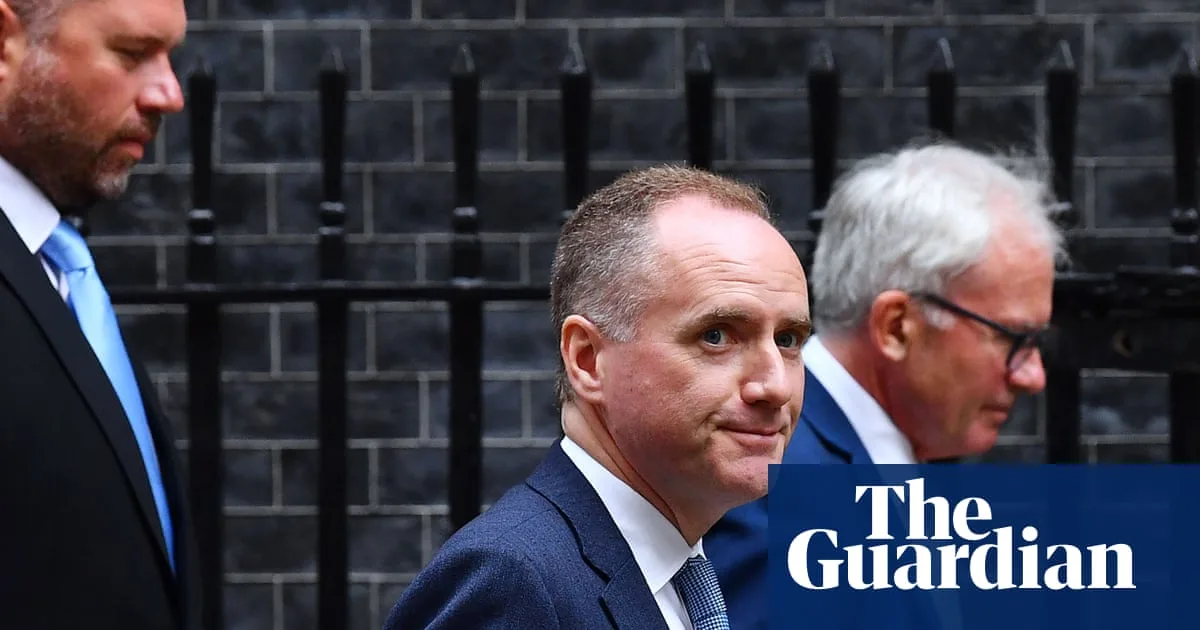
OBR chair Richard Hughes resigns after internal inquiry into early budget document release, as PM Starmer defends Chancellor Reeves amid opposition criticism.

Airlines save billions on fuel after Iran deal, but tight capacity keeps fares high. Passengers unlikely to see immediate relief.

Reeves responds to OBR spring forecast as energy prices surge amid Middle East conflict; FTSE 100 falls sharply; Reach shares slump on Google traffic decline.

Record 6.8 million people in UK live in 'very deep poverty', with incomes failing to cover basics, JRF analysis shows.

Government rejects petition to exempt State Pension from income tax, citing cost and fiscal challenges.

UK household savings fell to a record low of 3.3% in Q4 2016, raising fears of a consumer debt crisis as disposable income also declined.

IMF urges UK to cut borrowing amid leadership uncertainty, upgrades growth forecasts and backs Reeves' fiscal plan.
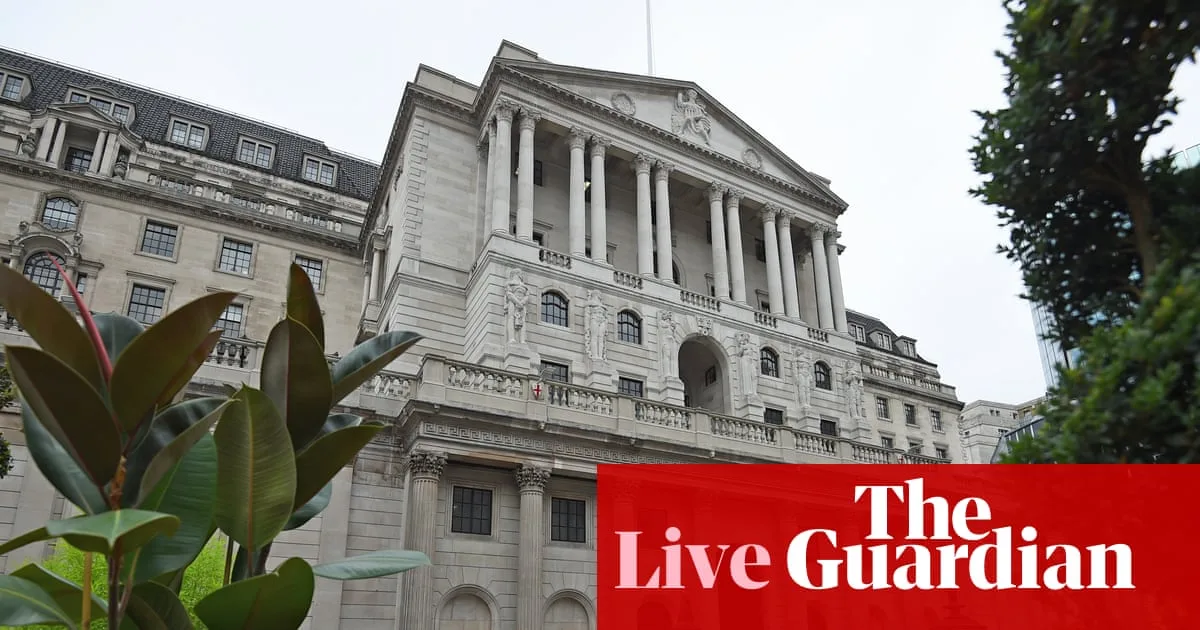
Bank of England holds rates at 3.75% but warns Middle East conflict could force two rate hikes this year as energy prices surge and inflation risks rise.

Trump threatens 'obnoxious' tariffs after court ruling; UK and EU seek clarity on trade deals as new 15% global tariff causes market uncertainty.
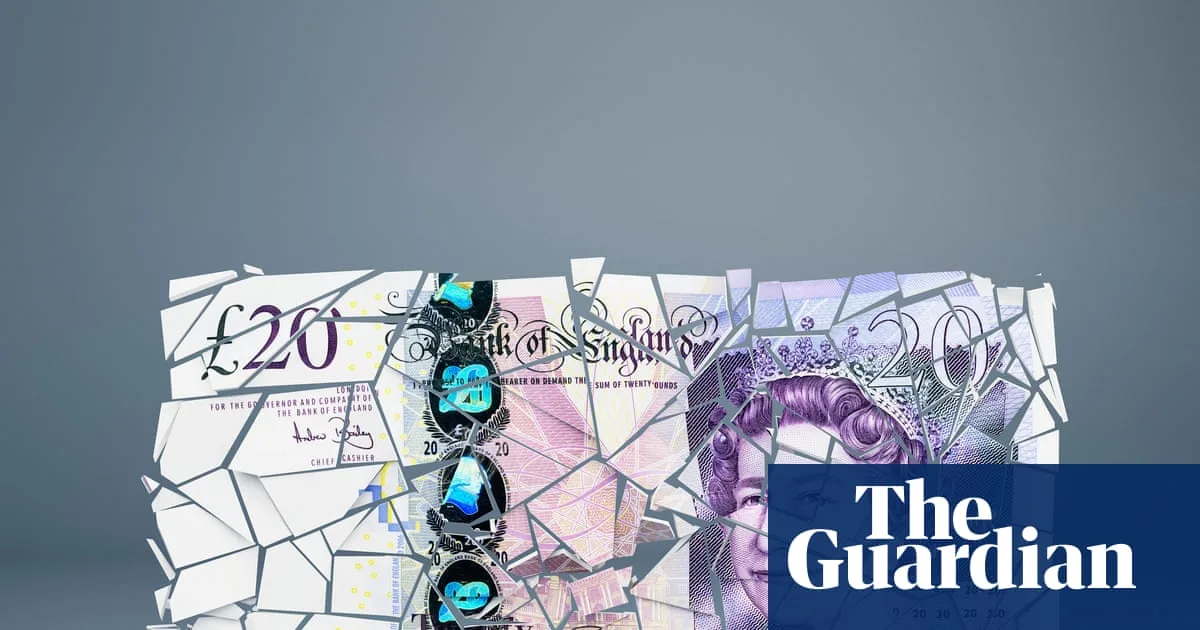
Former Labour MP Derek Wyatt responds to John Harris's article on the 'squeezed middle', highlighting pension taxation and NHS delays as key concerns.

UK house prices rise to record £299,331 in August, with regional variations and potential budget impacts.
Markets stay calm amid Trump's tariff threats, but long-term risks include recession and capital market escalation.