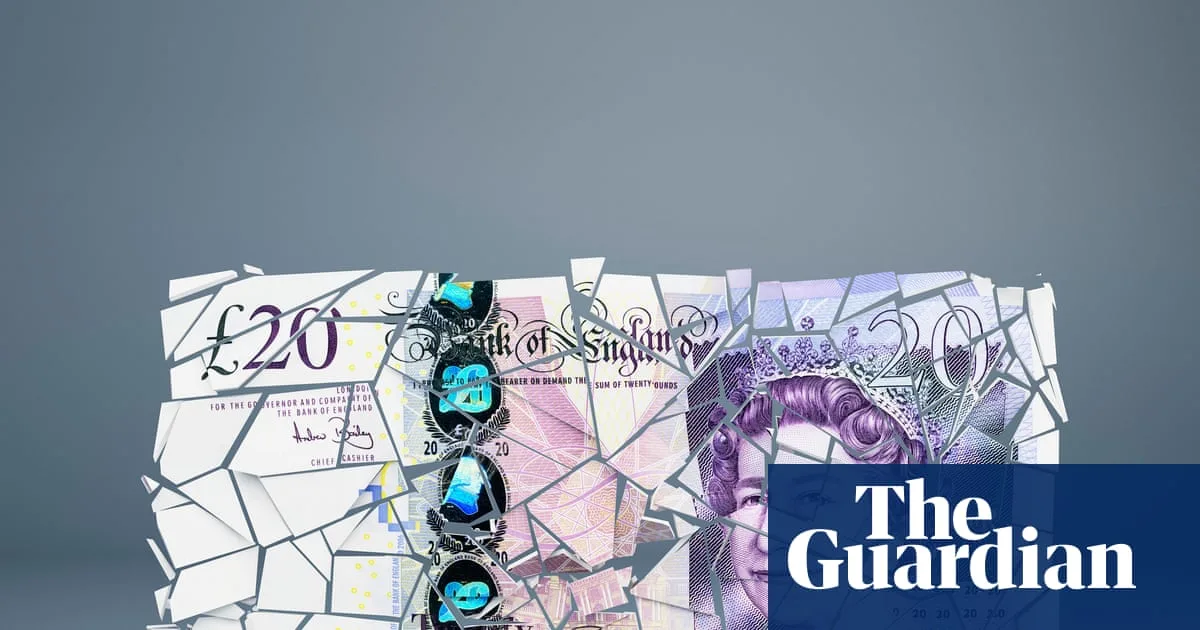
Labour's Squeezed Middle Crisis: How the Budget Backfired
Labour's Squeezed Middle Crisis Deepens

The Return of the Squeezed Middle

Just over fifteen years after Gordon Brown first identified the 'squeezed middle' during the 2008 financial crisis, this crucial demographic finds itself under even greater pressure. The recent budget announced by Chancellor Rachel Reeves has left middle-income families across Britain feeling increasingly anxious and angry about their financial future.

While millions face more precarious circumstances, the struggle of those who once considered themselves secure has become impossible to ignore. This isn't about privileged concerns like VAT on private school fees, but rather fundamental worries about household budgets and declining living standards.

The Numbers Behind the Anxiety

The Office for Budget Responsibility delivers sobering news: between now and 2030, households' average disposable income is set to grow by just 0.5% annually. This statistic translates into real-life struggles - the shock at supermarket checkouts, cancelled summer holidays, and the realisation that restaurant meals have become unaffordable luxuries.

Perhaps most concerning is the understanding that children will face an even more competitive economic landscape than their parents did. As new generations come of age, the squeezed middle continues to expand, creating a widening circle of financial insecurity.

The budget's extension of the freeze on tax thresholds hits particularly hard. While £50,000 annually doesn't represent extreme wealth, those earning around this amount will be among the worst affected. Ruth Curtice, chief executive of the Resolution Foundation, offers a stark assessment: "All but the top 10% of the income distribution are worse off because of opting for threshold freezes over income tax rate rises."

By 2031, nearly one in four taxpayers will see some of their earnings taxed at the higher 40% rate. Labour MPs report that nurses, teachers and police officers are feeling the squeeze particularly acutely.

Broken Trust and Failing Public Services

The government's approach to additional tax increases has created widespread nervousness. Many perceive Reeves's 'smorgasbord' method as resembling the confusing small print in phone contracts and train ticket regulations.

From increased national insurance on salary sacrifice pension contributions (affecting around one third of private sector employees) to lower tax ceilings on cash Isas, millions who consider themselves relatively successful now worry they'll soon find themselves in the Treasury's crosshairs.

The financial pressure extends beyond personal budgets to the deteriorating state of public services. As Oxford historian Ross McKibbin noted 25 years ago, "The middle classes make more use of the NHS, public transport, public libraries, local swimming pools and public parks than anyone else." Yet when they seek solutions from politicians, they often encounter debates about immigration rather than substantive discussion about improving these essential services.

The special educational needs system exemplifies this crisis, facing a £6 billion funding gap with no clear plan from the education department to address it. There are concerns the government might limit families' rights of redress, potentially creating a system where meaningful rights disappear entirely.

A Government Losing Its Way

Chancellor Reeves and Prime Minister Keir Starmer lead an increasingly fragile government, seemingly fixated on 'hero voters' in red wall constituencies while displaying industrial nostalgia. Some within Labour appear openly contemptuous of the middle class, with influential peer Maurice Glasman dismissing the 'lanyard class' - a description that could apply to most daily commuters.

This condescension occasionally manifests as mistrust of middle-class parents navigating the SEND system, with suggestions that the current setup 'inherently favours better-off parents with know-how of the system.'

The modern heirs to Herbert Morrison's suburban constituents - the clerks, civil servants, teachers, technicians and small business owners - feel increasingly alienated. They're asking an awkward political question: will Labour ever truly understand them? As anxiety turns to anger, the party risks turning its back on voters it can little afford to lose.