Sir Keir Starmer has issued a stark warning to the British public about the economic fallout from the ongoing conflict in Iran. The Prime Minister emphasised that the longer the war persists, the greater the potential impact on the UK economy, affecting households and businesses nationwide. His administration's priority, he stated, is to anticipate these risks, monitor developments closely, and collaborate with international partners to mitigate the damage.
Immediate Economic Shockwaves
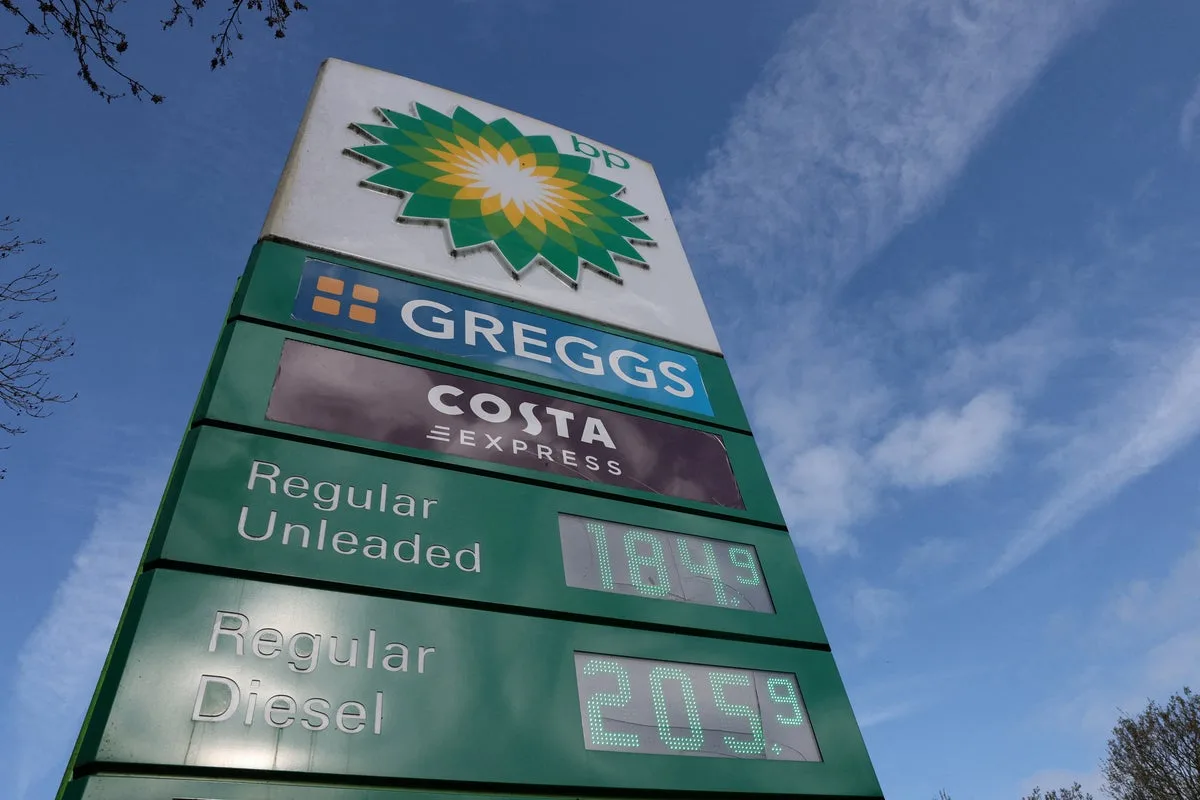
However, the Prime Minister does not need to gaze into the future to witness the consequences; they are already unfolding. Just over a week after Israeli and American forces launched significant strikes, global gas and electricity prices have skyrocketed, driving up fuel bills across the UK. Petrol prices at pumps are climbing, while stock markets continue their decline, eroding the value of savings and pension funds.
Investor confidence has waned, with yields on UK government debt rising, particularly for short-term bonds. This signals mounting concerns about near-term inflation and bleak prospects for public finances. The optimistic forecast from Bank of England Governor Andrew Bailey, who recently predicted steadily falling interest rates throughout the year, has been overtaken by market expectations of rate hikes. Financial institutions are already adjusting mortgage deals upward, threatening property values and consumer sentiment.
Global Energy Crisis Intensifies
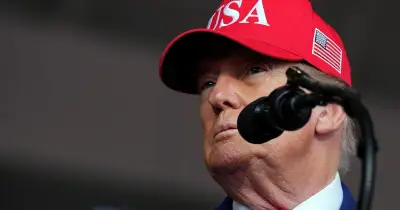
President Donald Trump has dismissed the surge in oil prices as a "very small price to pay for safety and peace." Yet, it is not the US leader who will bear the brunt of these costs. Chancellor Rachel Reeves's spring statement, delivered just last week, now appears both distant and largely irrelevant. Instead of the gradual economic improvement she outlined, the UK faces a renewed threat of stagflation and austerity measures.
The abrupt oil shock, exacerbated by the West's heavy reliance on Gulf state supplies, makes an inflationary spike inevitable. The disruption extends beyond fossil fuels; critical chemicals like urea for fertilisers and sulphuric acid for copper refining are also trapped due to blocked trade routes. This marks the first Middle Eastern energy crisis to involve every nation in the region, promising effects that are more prolonged, severe, and widespread than any since the 1973 oil price quadrupling.
Vulnerabilities Exposed
From NHS medical scanners to Amazon deliveries, bread prices to foreign holidays, every aspect of daily life will feel the pinch. The UK's experience following Russia's invasion of Ukraine underscores how vulnerable an open economy is to such trends and how prone Britain is to domestic wage-price spirals triggered by external cost increases. In short, the nation is poorly positioned to withstand this latest external shock.
Chancellor Reeves has already convened an emergency G7 energy summit, focusing on coordinating international monetary and fiscal policies to prevent a potential recession from deepening into a depression. As with past crises like the global financial meltdown, Covid-19, and the Ukraine conflict, international cooperation will be vital.
Compounding Challenges
For Britain, the self-inflicted and ongoing effects of Brexit only add complexity. More broadly, crafting effective domestic and international policy responses has become increasingly difficult. President Trump's "America First" stance and his persistent advocacy for tariffs present a significant obstacle to a unified global front. Moreover, major economies, including the UK, are severely constrained from borrowing to address this emergency due to high existing debt levels, taxation burdens, and escalating national debt servicing costs.
For instance, the UK's energy price guarantee during the peak of the 2022-2023 gas and electricity crisis cost over £40 billion, nearly matching the entire defence budget. It is already evident that Chancellor Reeves will struggle to meet her current fiscal targets, let alone find additional tens of billions to subsidise domestic energy bills. Compromises will be unavoidable.
A Call for Diplomatic Resolution
In hindsight, Sir Keir's initial reluctance to join President Trump's war in Iran appears rooted in foresight and wisdom. Beyond concerns about international law, the plight of the Iranian people, and the absence of a clear post-conflict plan, the Prime Minister implicitly understood the devastating economic impact an uncontrollable, open-ended conflict would have on Western economies.
Whether he has mustered the courage to inform President Trump that a prolonged war could plunge the world into an economic depression remains unclear. However, he must now emphasise these dangers as politely, privately, and persuasively as possible. If Sir Keir, alongside other strained allies, can convince the US president that now is the opportune moment to "declare victory and move on," ending this disastrous war, he may help salvage the global economy. For such an achievement, even his staunchest critics would have to acknowledge the Prime Minister's contribution.