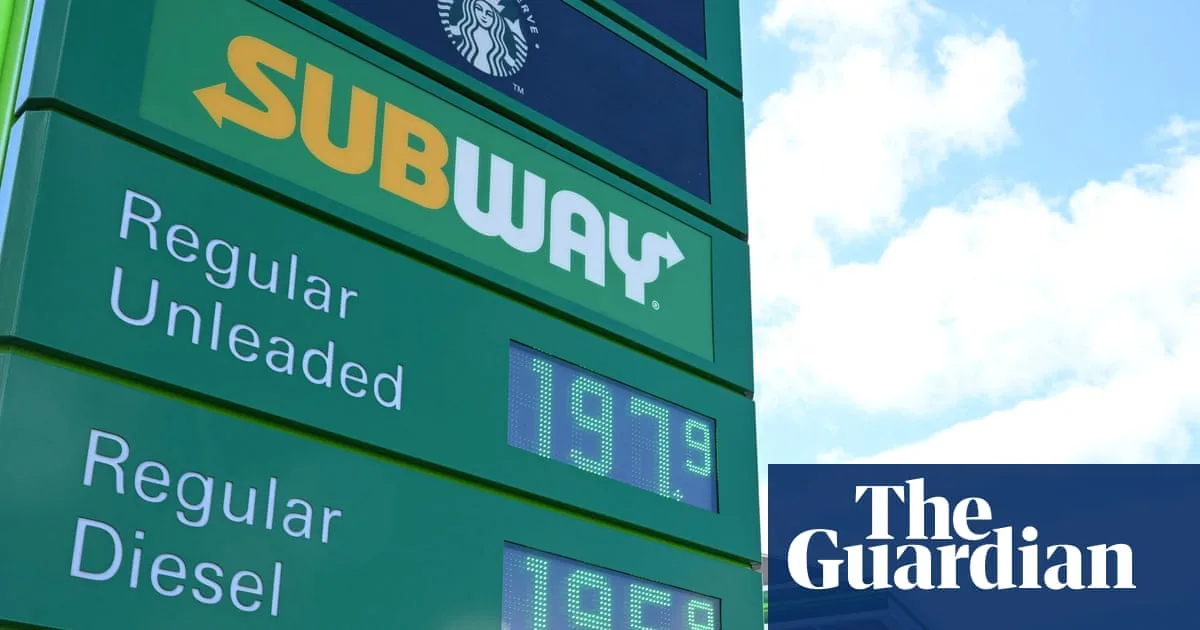
Six Financial Impacts of an Iran Conflict on UK Households
As tensions escalate in the Middle East, a potential war involving Iran could have profound financial consequences for households across the United Kingdom, extending far beyond the immediate rise in fuel prices at petrol stations. Economic analysts warn that the ripple effects could destabilise markets, disrupt trade, and strain personal budgets in multiple ways.
Inflationary Pressures on Essential Goods
Beyond the cost of filling up your car, an Iran conflict is likely to drive up prices for a wide range of essential goods. Iran is a significant player in global energy markets, and any disruption could spike oil prices, increasing transportation costs that are passed on to consumers. This could lead to higher prices for food, clothing, and other everyday items, squeezing household budgets already under pressure from existing inflation.
Trade Disruptions and Supply Chain Issues
The Strait of Hormuz, a critical shipping lane near Iran, handles about one-fifth of the world's oil shipments. A conflict could block or threaten this route, causing delays and increased costs for imports and exports. UK businesses reliant on global supply chains might face shortages or higher expenses, potentially leading to job losses or reduced consumer choice.
Market Volatility and Investment Losses
Financial markets are highly sensitive to geopolitical instability. A war with Iran could trigger stock market declines, affecting pensions, savings, and investments. UK investors might see portfolios shrink as uncertainty drives sell-offs, while currency fluctuations could impact the value of the pound, making overseas travel or imports more expensive.
Increased Insurance and Security Costs
Heightened risks in the region could lead to higher insurance premiums for shipping, aviation, and businesses with international operations. These costs often trickle down to consumers through higher prices for goods and services. Additionally, increased security measures might require public spending, potentially affecting tax policies or government services.
Impact on Employment and Wages
Economic uncertainty from a conflict can slow down business growth, leading to hiring freezes or layoffs in sectors like manufacturing, retail, and logistics. Wage growth might stagnate as companies cut costs, reducing household income and spending power at a time when living costs are rising.
Long-Term Economic Slowdown
A prolonged conflict could dampen global economic growth, reducing demand for UK exports and slowing domestic investment. This might lead to a recessionary environment, with higher unemployment and reduced government revenue, impacting public services and infrastructure projects that benefit communities nationwide.
Experts urge policymakers and the public to consider these broader financial implications, as the cost of war extends well beyond the petrol pump, touching every aspect of economic life in the UK.