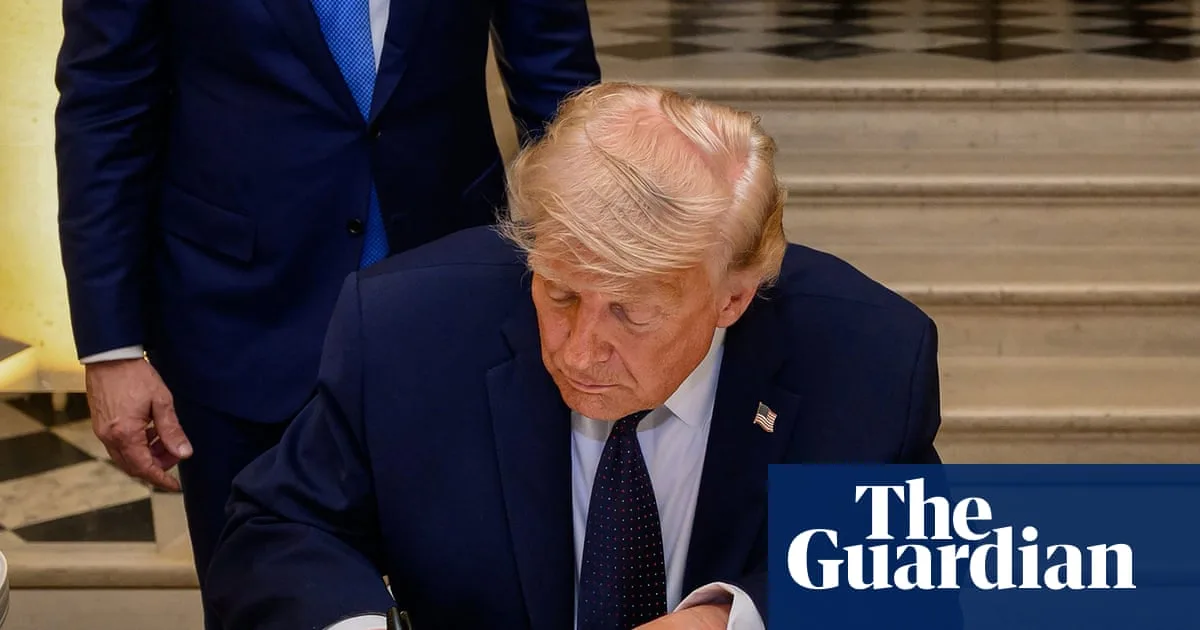
As the price of crude oil falls, governments are counting the costs of the Middle East conflict. US President Donald Trump hailed his Iran deal this week, claiming credit for ending the economic chaos that began when he started bombing Iran in late February. He urged sceptics to trust Wall Street, saying 'there is nothing as smart as the market – and the market loves it.' However, the outlook remains uncertain after planned US-Iran peace talks in Switzerland were abruptly called off, then reinstated, and Iran threatened to close the Strait of Hormuz again.
If oil flows more freely, it should forestall shortages of key products such as jet fuel. Energy markets anticipate a resurgence in supply: the cost of a barrel of crude oil dropped below $80 for the first time since the early days of the war. Yet governments are still counting the economic costs of a conflict they did not want.
In the UK, the impact on prices has been somewhat muted, with inflation hitting 2.8% in April and interest rates on hold for now. However, confidence has been hit hard and the jobs market remains weak. Sanjay Raja, chief UK economist at Deutsche Bank, said inflation would rise further – perhaps by up to another percentage point – in the coming months. 'All of the data suggests that there’s something coming – we are going to see some pressure.' He expects the downward effect on growth to be relatively modest, knocking up to a quarter of a percentage point off GDP growth.

In the US, economic growth has remained strong, but American drivers are paying $1 more per gallon for petrol than a year ago, and economy-wide inflation has surged to 4.2%. Trump’s newly appointed Federal Reserve chair, Kevin Warsh, is likely to face pressure to raise borrowing costs. Dario Perkins of TS Lombard said the Fed may increase rates as many as four times by the end of next year.
In the EU, the European Central Bank has already raised interest rates for the first time since 2023 to combat surging inflation. Many developing countries have been forced to ration fuel amid rocketing prices and are braced for the impact of surging fertiliser costs. Despite Trump’s bullishness, his tentative agreement with Iran leaves many questions unanswered and will not immediately draw a line under the economic damage caused by the war.