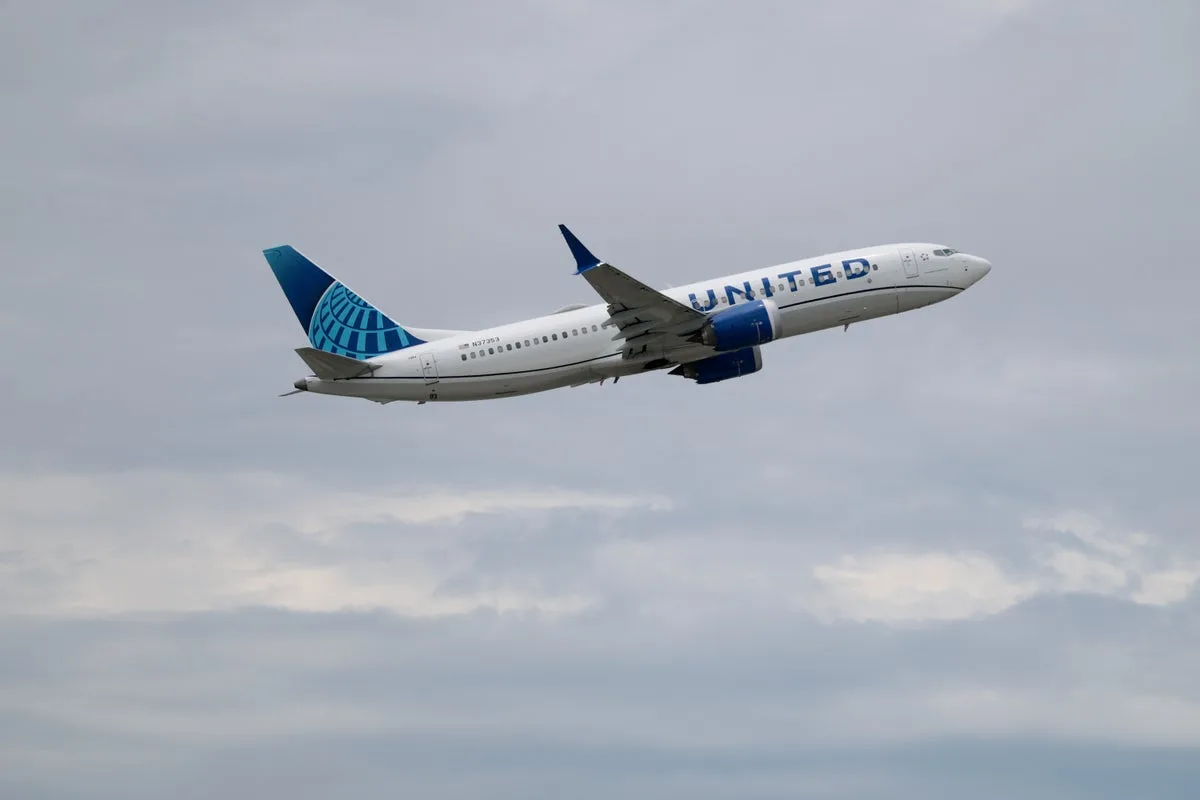
Airlines are set to save billions on jet fuel following the interim U.S.-Iran peace deal that lowered oil prices, but passengers should not expect immediate fare reductions. Tight capacity may allow carriers to maintain fares well above pre-war levels, according to industry analysts.
U.S. jet fuel spot prices fell to $2.85 per gallon on June 17, down sharply from an April high of $4.88. If sustained, this decline could cut the U.S. airline industry's annual fuel bill by over $40 billion. However, fare increases have lagged fuel cost rises, with Deutsche Bank estimating carriers recover only about 60 cents per additional dollar spent on fuel.
Alaska Air recovers about one-third of the increase, while Delta, United and American Airlines recoup 40-50%. United CEO Scott Kirby told Reuters the airline aims to recover 100% by year-end. Raymond James data shows average domestic fares booked one week ahead were up 34.1% year-on-year as of June 8.

Outside the U.S., relief is uneven. Europe may see long-haul fares ease, but short-haul fares could remain firm. In Asia, China's big three airlines face weak pricing power, while Cathay Pacific is better positioned. The Middle East is an exception, with some airlines using promotions to regain traffic.
Analysts note that lower fuel prices reduce pressure on airlines to cut fares, as they focus on rebuilding margins. Aircraft delivery delays and tight capacity limit the risk of a fare war. Jefferies estimates each 5% drop in fuel costs could lift earnings per share by 10-15% for major U.S. carriers.