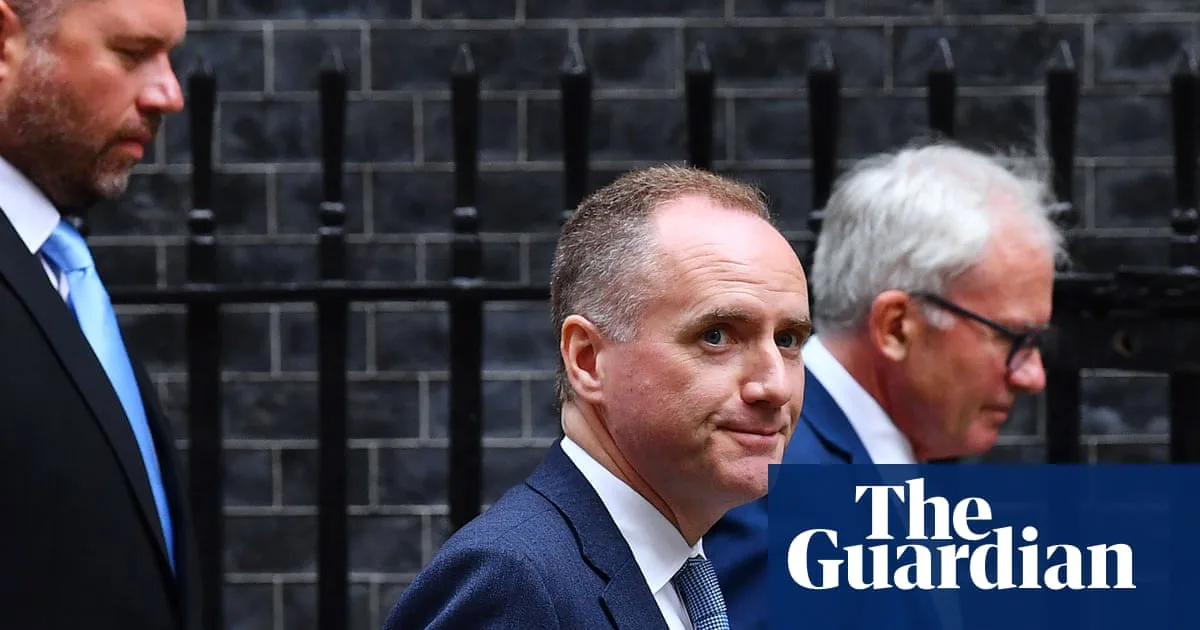
Richard Hughes has resigned as chair of the Office for Budget Responsibility following an internal inquiry into the early release of a budget document, which the watchdog described as its “worst failure” in history. Hughes said he took “full responsibility” for the breach of market-sensitive information, which has thrown Chancellor Rachel Reeves’s budget into chaos.
The resignation extends the fallout over the budget into a fifth day. Prime Minister Keir Starmer had notably refrained from expressing confidence in Hughes, criticising the OBR for a “serious error” that he called a “massive discourtesy” to parliament. Ministers hope the move will draw a line under tensions with the fiscal watchdog.
However, the chancellor remains under pressure, with opposition leaders drawing a contrast between Hughes’s resignation and Reeves’s defiance. Conservative leader Kemi Badenoch accused Reeves of using Hughes as a “human shield”, while the SNP’s Pete Wishart questioned why the chancellor had not followed suit. Government insiders dismissed the criticism as “laughable and totally unserious”.

In a speech setting out the government’s economic plans, Starmer sought to shore up Reeves’s position, defending the budget as “the right steps for our country”. He denied misleading the public over the state of the public finances, insisting that the OBR’s productivity downgrade had left a £16bn shortfall, making tax rises inevitable.
The OBR’s investigation, led by former National Cyber Security Centre chief Ciaran Martin, found that the early publication was the worst breach in the institution’s history. Hughes’s resignation is seen as an attempt to restore confidence in the watchdog’s handling of sensitive information.