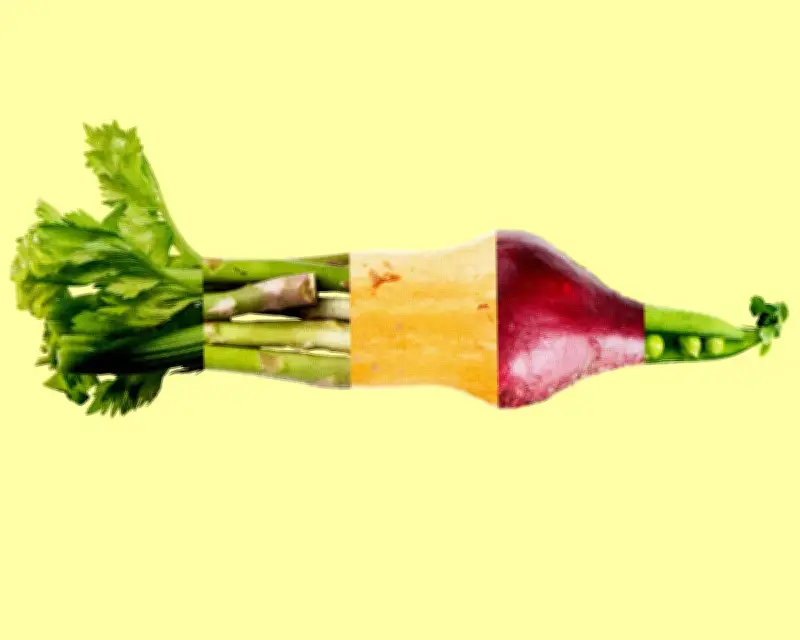
Peels, skins, stalks and seeds discarded when preparing fruit and vegetables are a valuable source of dietary fibre, according to a study by King's College London published in the International Journal of Food Sciences and Nutrition. Ten out of the 12 types of produce analysed had higher levels of fibre in the scraps than in the flesh. Eating these parts could help address the global dietary fibre deficit and tackle food waste, the researchers say.
Why root-to-tip matters
“Leftovers are a valuable source of fibre and worth incorporating into meals, especially given that 96% of adults do not meet the recommended daily intake of 30g of fibre,” says Sammie Gill, a senior nutrition scientist at the British Nutrition Foundation. “Peels, stalks and seeds are also a rich source of plant chemicals, such as polyphenols. Studies show that different polyphenols are linked with different health effects, from brain health to metabolic health.”
The study found that vegetable skins contain more fibre than the flesh: 40% more in the case of beetroot, and 84% more for celeriac. There is no need to peel root vegetables, tubers and rhizomes, including potatoes, carrots, parsnips, turnips, jerusalem artichokes, radishes and ginger – simply give them a good wash.
Creative uses for scraps
Adam Handling, a Scottish chef with Michelin-starred zero-waste restaurants in Cornwall and London, says: “I love ingredients that give you a lot to work with. It’s about looking at an ingredient as a whole, rather than just taking the bit you need. People often throw away the leaves and stalks, but they’re full of flavour. Roast them, pickle them or ferment them.”
Tom Heywood, chef-owner of Pignut & the Hare in Scawton, North Yorkshire, grates cauliflower core into couscous and rice, and dries carrot offcuts in the oven to make a powder for sprinkling over dishes.
Fibre-rich finds and safety notes
Other findings from the study: kiwi skin has 195% more fibre than its flesh; leek tops and roots have 77% more fibre than the rest of the leek; pineapple skin and core contain 454% more fibre than the flesh; watermelon rind has 426% more fibre than the flesh; and butternut squash skin and seeds contained 9.25g per 100g. Pepper stalks, seeds and placenta have 234% more fibre than the flesh.
However, not all scraps are safe. “Although cases are rare, consuming large quantities of rhubarb leaves can cause adverse symptoms, including abdominal cramping, nausea, vomiting and a burning sensation in the throat,” says Gill. “This is due to their high oxalic acid content. High levels of oxalates can be problematic in people predisposed to kidney stones.”
Waste reduction impact
Researchers found that root-to-tip components made up 25-48% of the total weight of the produce analysed. In the UK, approximately 10m tonnes of food is wasted annually, with fresh fruits and vegetables representing 36% of this, according to the study. Cooking root-to-tip could make a real contribution to shrinking the food-waste mountain.