
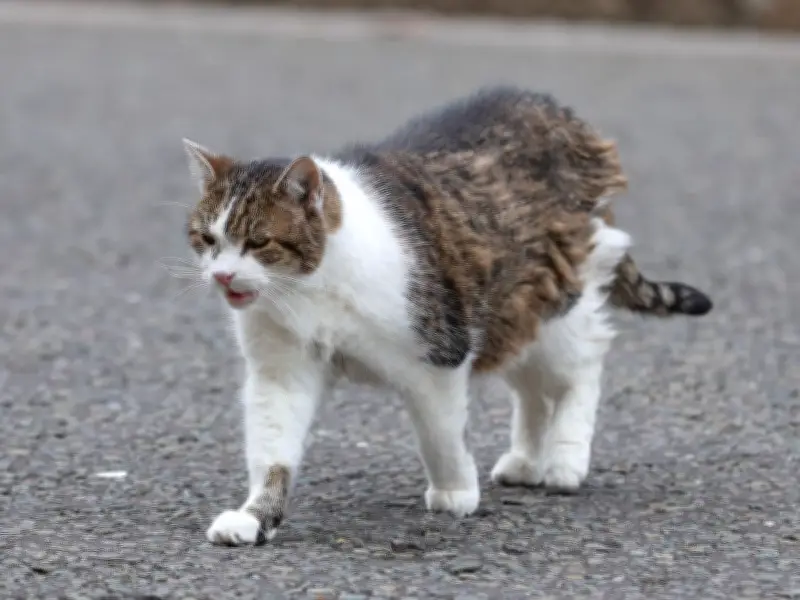
A major update in the campaign to change the law for all cat owners and motorists in the UK has taken a significant step forward. A petition on the Parliament website has surpassed a critical milestone, reaching over 113,000 signatures, which means it will now be considered for a debate by Members of Parliament.
Petition Smashes Threshold
The petition, which calls for drivers to be legally obliged to stop and report accidents involving cats, has gained substantial public support. With more than 113,000 signatures, the government will be forced to defend its position, increasing pressure for a legal change.
The petition states: "It is legal in the UK to hit a cat when driving and not need to stop or report collisions, leaving them scared, alone, and in pain. Cats are important, loved, valued family members for many, and we believe the law should reflect this."
It continues: "We want the Government to legislate to require drivers to stop, check and report any road collisions with cats if they’re injured on the road, and hold drivers accountable if they fail to stop and report a collision involving a cat on the basis that they left a cat to unnecessarily suffer. We believe asking drivers to be made responsible for seeking help for an injured cat is a perfectly reasonable and simple ask."
Campaigners' Statement
The individuals behind the petition shared: "We have just two weeks to reach 100k, but should the current trend continue, then we will smash that target. We began the petition as a result of our campaign which started because our cats were hit by cars and left on the road for dead."
They added: "We, as I’m sure all cat owners will agree, can appreciate some level of danger having free-roaming animals, as we can all reasonably expect some level of danger every time we leave the house and cross roads. Accidents will sadly always happen and what we don’t want to do is penalise good drivers and decent people who, through no fault of their own, find themselves in the unfortunate position of having hit a cat when driving."
"What we can not accept and do not understand is the drivers that drive off and leave the cats scared, alone, in pain, or worse, roadside. Not stopping to help a cat, or any animal, is unforgivable in our view and we want the law to stand with us on that. We do not want drivers to have criminal records or pay our vet bills, we simply want drivers to help our cats should the worst happen. If they fail to do so, we want them to, by law, be accountable and face justice."
Current Law Under Section 170
Under section 170 of the Road Traffic Act 1988, drivers are legally required to stop and report accidents involving horses, cattle, ass, mules, sheep, pigs, goats, or dogs, but not cats. This distinction was originally made to protect working animals. A 2018 study by Carbuyer found that almost 60% of those surveyed believed the law should be updated to include cats.
Recent figures from PetPlan reveal that approximately 230,000 cats are struck by vehicles every year, equating to 630 each day, with 35% of drivers admitting to having hit a cat. Britain is a nation of devoted cat lovers, with around 12.2 million cats residing in British households, making them the second most popular pet in the country, second only to dogs, with 27% of households owning at least one feline.
Government Response
As the petition exceeded 10,000 signatures, it prompted a response from the Department for Transport. The department said: "The Government has no current plans to require drivers to report collisions with cats. However, the Road Safety Strategy will improve road safety for all road users, including cats and other animals."
It added: "This is a compassionate country and although there is no obligation to report all animal deaths on roads, drivers should, if possible, make enquiries to ascertain the owner of domestic animals, such as cats, and advise them of the situation."
"Under section 170 of the Road Traffic Act 1988, a driver is required to stop and report an accident involving specified animals including horses, cattle, ass, mules, sheep, pigs, goats or dogs, but not cats or wild animals. This requirement arises from their status as working animals rather than as domestic pets. To introduce such a measure within the provision of section 170, would require primary legislation."
The department also noted: "Because cats are much smaller than other specified animals, and often most active at dawn or dusk, in many cases drivers may not be aware they’ve hit them - particularly with larger vehicles. Because of that, it would be difficult to prosecute drivers if the law was changed."
The petition will now be considered for debate, and an update will be provided if this is agreed.




