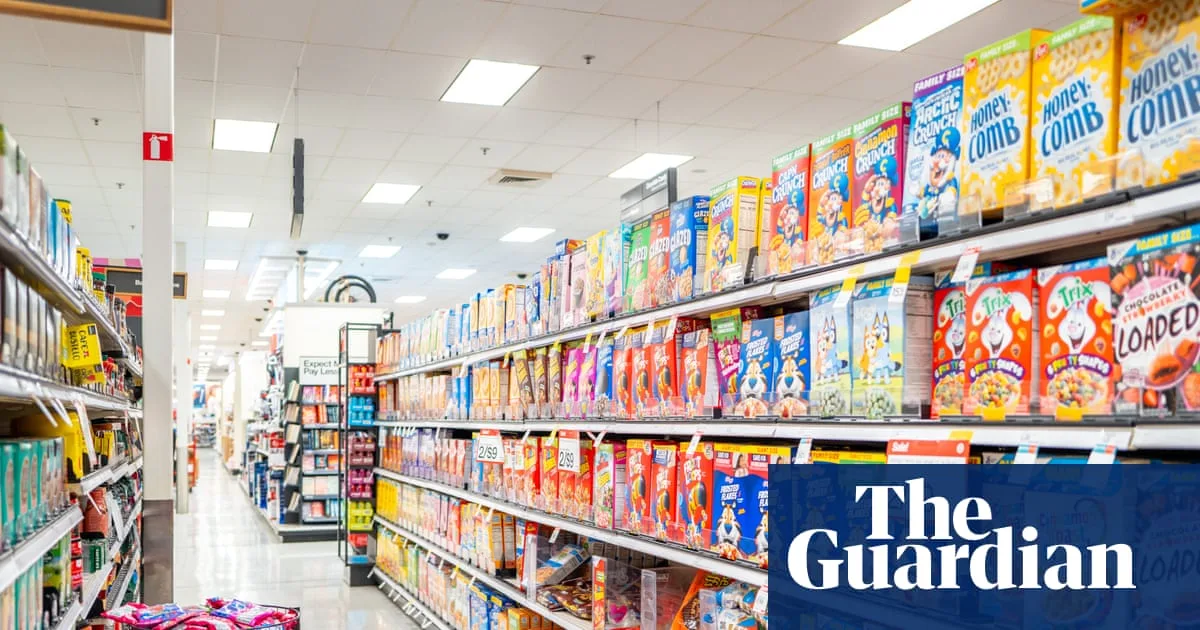
US retailer Target has announced that by 31 May it will only sell breakfast cereals made without certified synthetic food colours. The decision comes amid increasing pressure from the Trump administration and the 'Make America Healthy Again' (Maha) movement, which views such ingredients as dangerous.
Target, which operates nearly 2,000 stores and employs around 400,000 people in the US, said the move reflects growing consumer demand for healthier options. 'We know consumers are increasingly prioritising healthier lifestyles, and we're moving quickly to evolve our offerings to meet their needs,' said Cara Sylvester, Target's executive vice-president and chief merchandising officer.
Food reform advocates have long campaigned against synthetic dyes like Red 40 and Yellow 5, which some studies link to hyperactivity in children. Vani Hari, a prominent Maha figure, welcomed Target's stance, stating it sends a signal that retailers are siding with consumers who want fewer artificial ingredients.
The change is seen as a win for Robert F Kennedy Jr, the US health and human services secretary, who has faced criticism for not following through on pledges to regulate synthetic dyes. Critics note that the Food and Drug Administration (FDA) has not required such action, and its recent guidelines allow companies to claim 'no artificial colours' as long as dyes are not petroleum-based.
At least 25 US states are considering legislation to restrict synthetic dyes. West Virginia became the first to ban them in March 2025. Scott Faber of the Environmental Working Group said Target's announcement recognises that states are leading efforts to protect consumers from dangerous chemicals.
However, some experts caution that companies have previously pledged to remove dyes only to reverse course after sales drops. 'Nothing is holding them to these promises,' said Jensen Jose of the Center for Science in the Public Interest, noting that the federal government is merely asking companies to stop using the dyes.