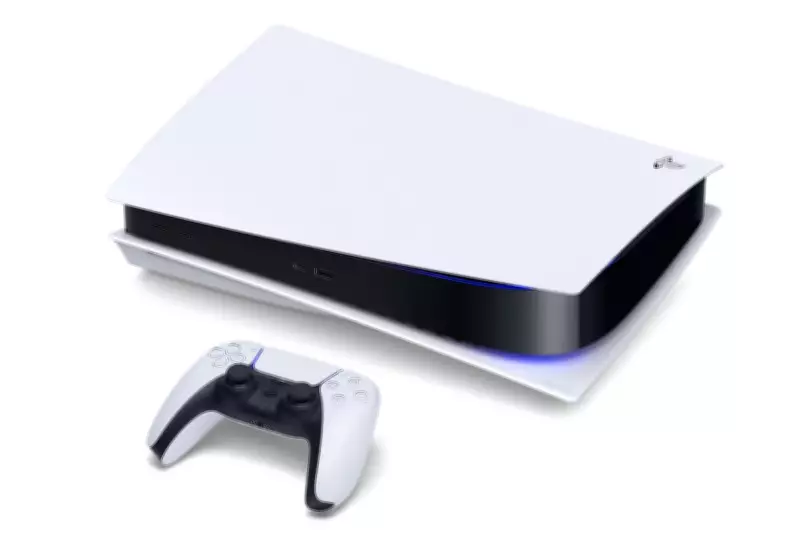
A massive £2 billion class action lawsuit has been launched against Sony, alleging that the technology giant has been overcharging millions of PlayStation users in the United Kingdom for digital games purchased through its exclusive online store. The case, which is scheduled to be heard by the Competition Appeal Tribunal in London from next week, represents one of the most significant legal challenges to date against the market dominance of major tech firms in the digital entertainment sector.
The Core Allegations Against Sony
The antitrust claim, brought by consumer champion Alex Neill on behalf of an estimated 12.2 million gamers, accuses Sony of imposing "excessive and unfair" charges on downloads from its PlayStation Store. The lawsuit contends that Sony has unfairly profited from the industry-wide shift from physical discs to digital downloads, a transition driven by evolving consumer preferences and the widespread availability of faster internet connections.
A Closed Ecosystem and Captive Consumers
Robert Palmer KC, representing the claimants, stated in court documents that Sony's "closed ecosystem" has effectively rendered digital PlayStation users an "entirely captive class." The legal argument centres on Sony's prohibition of rival download systems for its consoles, which allegedly eliminates competition and allows the company to leverage its market power.

The claim specifically highlights that Sony charges developers and publishers a 30% commission on all digital purchases made through the PlayStation Store. This substantial fee, the lawsuit argues, is ultimately passed on to consumers in the form of higher prices for games and in-game content.
Who Is Eligible and Potential Compensation
The class action is being pursued on an "opt out" basis, meaning that eligible consumers are automatically included in the claim unless they actively choose to withdraw. This approach significantly broadens the potential scope of the lawsuit.
Eligibility extends to anyone in the UK who purchased a digital PlayStation game or made an in-game download over a period of approximately ten years leading up to February of this year. If the lawsuit proves successful, the claimants' legal team estimates that each of the 12.2 million covered users could receive compensation of around £162. This would equate to a total payout approaching £2 billion, which includes an estimate of the alleged overcharges plus 8% interest.
Sony's Defence and Market Context
In its defence, Sony has informed the court that its distribution model is justified on several grounds. The company argues that permitting third-party stores for downloads would introduce significant security and privacy risks for its users. Furthermore, Sony contends that it invests heavily in hardware, often selling consoles at relatively low margins to build a substantial user base. The 30% commission on digital sales, according to Sony, forms part of a cross-subsidisation strategy designed to cover these upfront costs and ongoing investments in the platform.
The Broader Legal Landscape for Tech Giants
This case against Sony is the latest in a series of class action lawsuits in the UK targeting the digital sales practices of major technology platforms. In a notable precedent from October, the Competition Appeal Tribunal found that Apple had abused a dominant position by charging developers commissions of up to 30% on purchases made through its App Store. Apple is currently appealing that decision.
However, not all such cases proceed to a conclusion. Last month, a lawsuit brought by consumer group Which?—which accused chipmaker Qualcomm of abusing a dominant position to overcharge Apple and Samsung for the use of its smartphone chips—was withdrawn.

Historical Shift and Current Console Market
The lawsuit underscores the dramatic evolution of the gaming industry. When the PlayStation console first launched in the UK in 1995, games were predominantly supplied on physical discs. Today, for the latest PS5 model, most games are downloaded digitally. The PS5 itself has sold more than 90 million units since its release in 2020, securing its place among the top ten best-selling games consoles of all time. Notably, the cheapest PS5 model does not include a disc drive, although the standard version retains the option for physical media, highlighting the industry's digital direction.
The tribunal hearing for the Sony case is scheduled to commence on March 10 and is expected to last for ten weeks, setting the stage for a landmark ruling that could reshape digital marketplace practices in the gaming sector and beyond.