Lloyds Bank Proposes New Executive Pay Policy with CEO Potentially Earning £17.7 Million
Lloyds CEO Could Land £17.7m Under New Pay Policy

Lloyds Banking Group Unveils Major Executive Pay Restructure

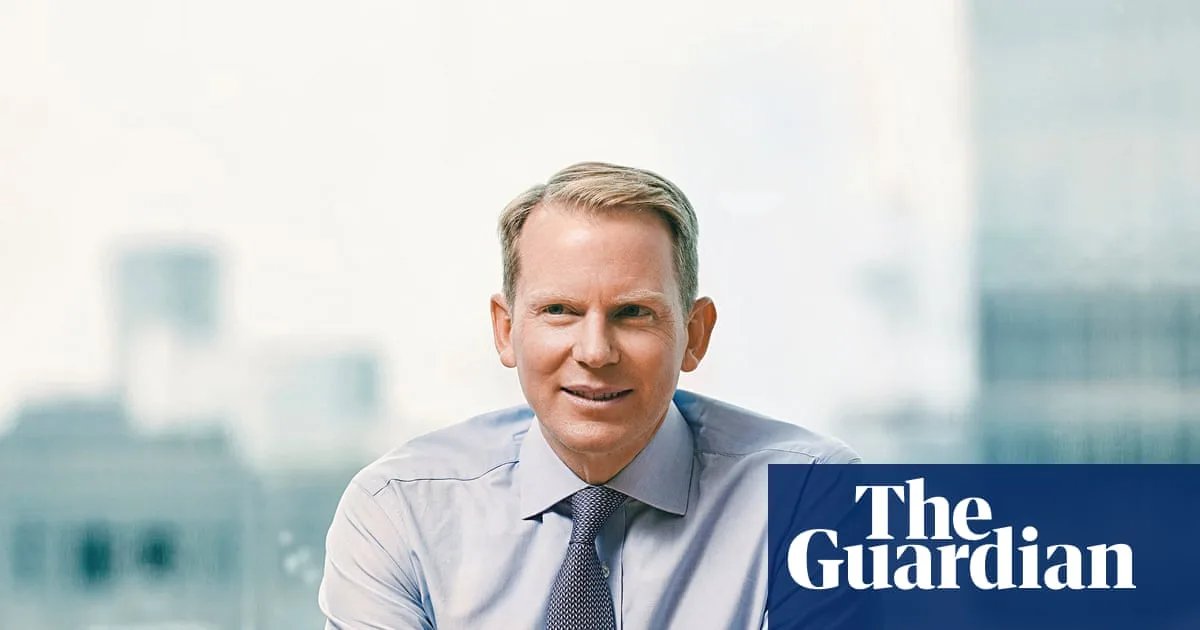
Lloyds Banking Group has revealed significant changes to its executive compensation policy, creating a structure that could potentially see Chief Executive Charlie Nunn earn as much as £17.7 million this year. The proposals, which shareholders will vote on at the upcoming annual general meeting, represent a fundamental shift in how the bank rewards its top leadership.

Substantial Pay Increases for Top Executives

According to the bank's annual report published on Friday 13 February 2026, Charlie Nunn's total compensation jumped by approximately 20% to £7.4 million in 2025, up from £6.2 million the previous year. This increase was driven by a combination of salary adjustments, enhanced annual bonus awards, and larger long-term share incentives.

The banking group stated that Mr Nunn "demonstrated strong leadership throughout another challenging year for consumers," justifying the substantial compensation package. Chief Financial Officer William Chalmers also experienced a significant pay rise, with his total compensation increasing by 18% to £5 million for 2025.

Performance-Based Compensation Overhaul

The new pay policy fundamentally restructures how Lloyds compensates its senior executives. The proposals involve increasing the maximum annual bonus award for the chief executive from 140% to 300% of their base salary. Simultaneously, the maximum long-term incentive plan would expand from 300% to 500% of base salary.

To balance these increases, Lloyds intends to reduce fixed pay components by approximately 44%, creating a compensation structure with greater consequences if the bank fails to meet performance targets. This approach means executives could earn substantially more for exceptional performance but would face significant reductions if targets are not achieved.

Potential Earnings Under New Structure

Under the proposed policy, if Charlie Nunn achieves all his performance targets—which are more demanding than those set in 2025—he could earn £13.9 million this year. In an even more optimistic scenario where Lloyds' share price increases by 50%, his total compensation could reach a maximum of £17.7 million.

This potential comes after Lloyds' share price rose by approximately 75% during 2025, demonstrating strong market performance. The bank reported a 12% increase in annual pre-tax profit to £6.7 billion and upgraded its outlook for key performance measures in 2026.

Context Within Banking Sector

Lloyds stated that the proposed changes would bring its executive compensation packages more in line with those offered by similar banking institutions. The chief executive of Barclays, CS Venkatakrishnan, received a £15 million pay package for 2025, up from £11.6 million in 2024. Meanwhile, NatWest's CEO Paul Thwaite saw his total compensation increase by one-third to £6.6 million last year.

Mr Thwaite acknowledged on Friday that senior roles in banking and financial services are "very well paid" and that he considered himself "fortunate" to hold such a position.

Performance Considerations and Challenges

The annual bonus awards took into account that Lloyds' financial performance was affected by setting aside an additional £800 million charge in the third quarter to compensate customers who were unfairly sold car loans. This brought the group's total bill for this issue to £1.95 billion, demonstrating the complex challenges facing the banking sector.

Lloyds emphasized that the proposed compensation changes would more closely align executive pay with the financial performance of the bank, creating stronger incentives for leadership to deliver exceptional results while accepting greater risk if targets are not met.




