The Mountainous Detour: A 20-Mile Journey That Takes Six Hours
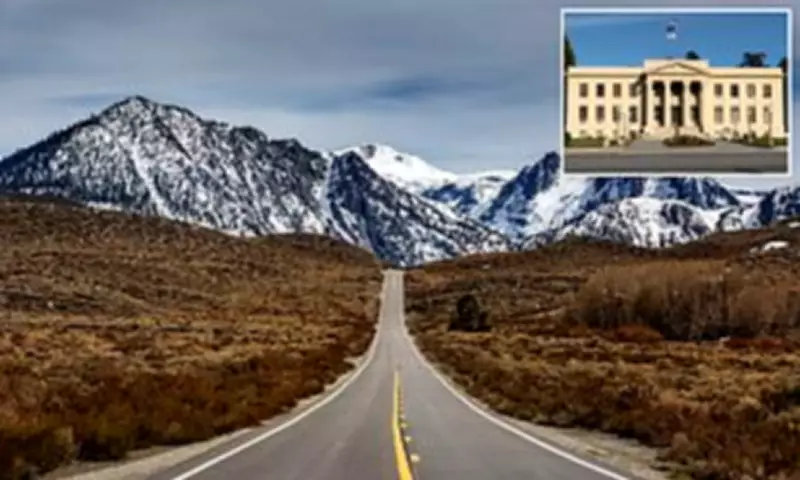
In a striking geographical paradox, a stunning high-altitude campsite in California's Kings Canyon National Park sits a mere 20 miles from the nearby town of Independence. Despite this proximity, the imposing Sierra Nevada mountain range creates an extraordinary barrier, forcing motorists to embark on a circuitous six-hour, approximately 355-mile journey to travel between the two locations.
A Technical Proximity Divided by Nature
Kanawyers campsite is technically situated on the western outskirts of Independence, a small community with fewer than 1,000 residents located 225 miles from Los Angeles. However, the rugged Sierra Nevada range, which stretches 400 miles through California, physically divides them. For drivers departing Independence to reach Kanawyers, the only viable route involves heading south on US Route 395, then turning west across the mountains toward the San Joaquin Valley.
The arduous trek continues northward through California's vast Central Valley before finally turning east back into the mountains to enter Kings Canyon National Park. This massive detour is necessary because no direct roads connect the campsite to the town, compelling travelers to navigate around the formidable peaks.

Alternative Routes and Seasonal Challenges
While hikers can opt for a more direct, though strenuous, path by traversing Kearsarge Peak—which rises nearly 13,000 feet directly west of Independence—this option is impractical for vehicles. The Sierra Nevada's challenging terrain presents significant obstacles year-round, with seven of the 22 roads crossing the range typically closed during winter months due to hazardous conditions.
According to Sierra Mountain Passes, "Any of the other passes may be closed temporarily during and right after a winter storm. If there is snow on the road, the highway might be open with chain controls." Many of these mountain routes originated as wagon trails during the 1849 Gold Rush, with some being improved and rerouted multiple times to accommodate modern vehicles, while others remain largely unchanged except for paving due to the unforgiving landscape.
The Harsh Reality of Sierra Nevada Travel
The region's dangers were tragically highlighted in February when a devastating avalanche in the Sierra Nevada mountains near Lake Tahoe killed nine skiers from a group of 15 on a three-day wilderness trek organized by Blackbird Mountain Guides. The avalanche trapped the group on February 17, with six survivors sheltering in place for hours as rescue crews battled blizzard conditions. They had located three deceased companions before help arrived, with officials later recovering five more bodies and finding the final victim five days after the incident.
This combination of breathtaking beauty and formidable natural barriers defines the Sierra Nevada experience, where distances measured in miles often translate to journeys measured in hours, reminding travelers of nature's enduring power to shape human movement and connectivity.