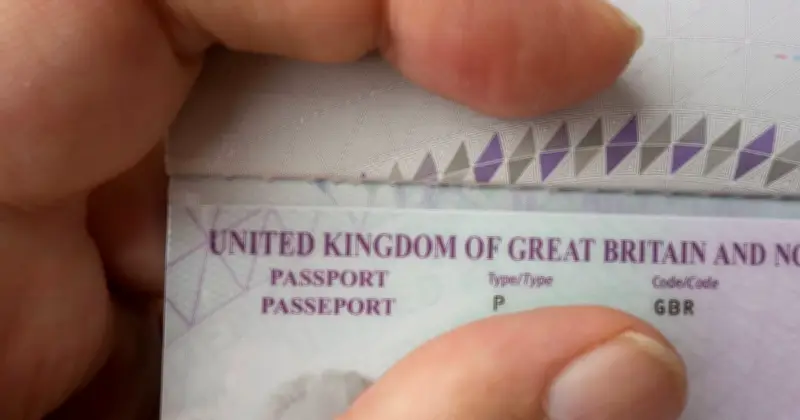
If you're planning a holiday in the coming weeks, there are a few passport checks you need to make now due to application deadlines. New passports can take three weeks or more to process, so acting promptly is crucial.
Countdown to Summer Getaway
The countdown to the year's busiest holiday getaway has officially started. In the next four weeks, the majority of schools across England and Wales will close for the six-week summer break, while some Scottish schools will finish as early as the end of next week. This means peak travel season is nearly here, and if there's a problem with your passport, this is essentially your last opportunity to obtain a new one before the summer rush. Passport applications officially take three weeks once the necessary documents have been received, though there are costly fast-track alternatives available.
Certain pitfalls trip up Brits year after year, so here are some essential checks to carry out now, giving you just about enough time to arrange a replacement passport if required.
1. Expiry Date
The expiry date may seem straightforward, but it's important to note that different countries impose varying regulations. A recent survey from Saga revealed that 80% of Britons were unaware that they need to check their destination's requirements for passport expiry dates. Alarmingly, amongst 500 people surveyed, 7% had already been refused entry to a destination due to insufficient validity remaining on their passport.
For the most popular EU destinations such as Spain, France, or Greece, your passport must have three months validity remaining on the day you intend to leave the EU. As a result, you need to calculate those three months from your departure date, not the date you fly out on holiday. Certain countries, including Thailand and Indonesia, require your passport to remain valid for up to six months after your arrival date, while those travelling to Australia from the UK simply need their passport to be valid for the duration of their visit.
2. Issue Date
While most holidaymakers remember to check their passport's expiry date, many overlook the issue date entirely. This became a particular concern for Brits holding burgundy passports, as prior to Brexit some remaining validity could be carried over when a new passport was issued. As a result, certain British passports ended up being valid for as long as ten years and nine months.
All travellers entering the EU must hold a passport issued less than ten years ago, so if you possess an older-style passport, it is worth ensuring you have not fallen outside of this zone.
3. Proof of Funds
Several countries, amongst them Spain, Portugal and France, may request additional documentation when entering as a tourist, which can include demonstrating that you have a minimum level of funds available throughout your stay.
Spain has long required travellers to present proof of funds upon entry, but these requirements have been tightened in 2026, with reports emerging that holidaymakers have been subjected to checks at popular destinations such as Malaga airport upon arrival. According to Spain's official Ministry of Foreign Affairs website: "In 2026, the minimum amount required is 122.10 euros per person per day. In any case, and regardless of the length of stay, the traveller must have at least 1.089,90 euros or its equivalent in foreign currency."
At today's exchange rate, €122.10 equates to roughly £105.50, while €1,089.90 amounts to approximately £942. Acceptable proof of funds includes cash, traveller's cheques, or a credit or debit card statement displaying the available balance. Travellers should also be aware that Spain enforces a limit of €10,000, or the equivalent in foreign currency, on funds brought across its borders.