Unprecedented Hailstorm Blankets Tunisia and Algeria in White
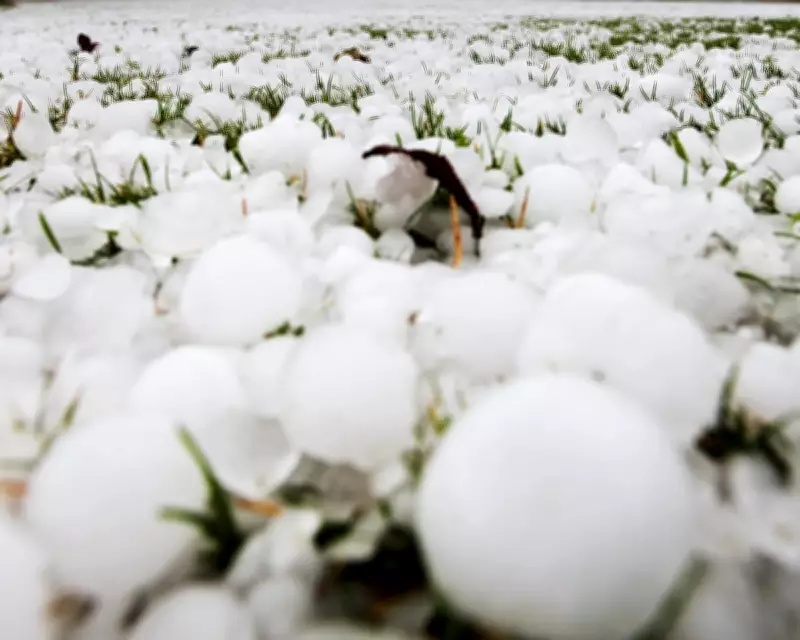
In a rare and dramatic weather event, parts of Tunisia and Algeria have been covered in a thick layer of hail, creating scenes reminiscent of a winter snowfall. The hailstorm, which struck on April 17, 2026, has left streets, fields, and buildings blanketed in white, causing significant disruptions and capturing widespread attention.
Impact on Daily Life and Infrastructure
The sudden accumulation of hail has led to transportation chaos, with roads becoming slippery and hazardous. Local authorities have reported temporary closures of key routes as crews work to clear the icy debris. In urban areas, residents have shared images on social media showing cars and homes almost buried under the hail, while in rural regions, agricultural activities have been halted, raising concerns about crop damage.
Emergency services have been deployed to assist affected communities, focusing on ensuring safety and restoring normalcy. The unusual weather has also prompted discussions about climate patterns in North Africa, where such intense hailstorms are uncommon.

Meteorological Analysis and Climate Implications
Meteorologists attribute this event to a combination of atmospheric instability and cold air masses colliding with warmer surface temperatures. The hailstones, some reported to be as large as golf balls, accumulated rapidly, leading to the snow-like cover. Experts note that while hail is not unheard of in this region, the scale and intensity of this storm are exceptional.
This incident highlights the increasing volatility of weather systems, potentially linked to broader climate change trends. Researchers are calling for more studies to understand if such extreme events might become more frequent in the Mediterranean and North African areas.
Regional Response and Future Outlook
Governments in Tunisia and Algeria have issued weather advisories, urging citizens to stay indoors and avoid unnecessary travel. Cleanup operations are underway, with estimates suggesting it could take days to fully clear the hail from affected zones. The event has also sparked conversations about infrastructure resilience and disaster preparedness in the face of unpredictable weather.
Looking ahead, weather forecasters are monitoring the situation closely, as residual effects could influence local climates in the coming weeks. The hailstorm serves as a stark reminder of nature's power and the need for adaptive strategies in an era of environmental uncertainty.