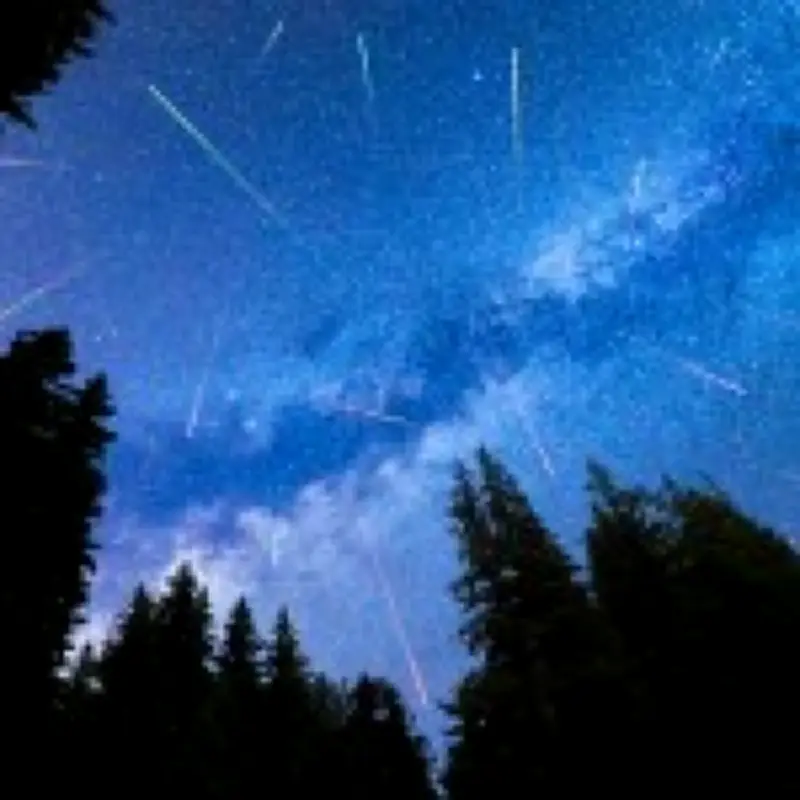
The Perseid meteor shower, one of the most anticipated celestial events of the year, has returned to UK skies and will remain active until August 24. Known for producing dozens of colourful shooting stars per hour, the shower is expected to reach its peak on the night of August 12-13, when up to 150 meteors could streak across the sky each hour.
What Causes the Perseid Meteor Shower?
The Perseids originate from debris left behind by Comet Swift-Tuttle (109P/Swift-Tuttle), which was discovered in 1862 by Lewis Swift and Horace Tuttle. This comet takes 133 years to orbit the Sun and last reached perihelion in 1992; it will return in 2125. As Earth passes through the comet's trail of ice and rock, particles enter the atmosphere at high speed, burning up to create bright streaks of light. Larger particles can explode as fireballs.
When and Where to See the Perseids
The shower began on July 17 and will be visible until August 24. The peak occurs overnight between August 12 and 13. According to the Royal Museums Greenwich, the meteors can be seen after sunset from anywhere in the UK, but dark locations with minimal light pollution and a clear horizon offer the best views. No telescopes or binoculars are required, though they can help. Allow about 15 minutes for your eyes to adjust to the dark.
Viewing Tips and the Buck Moon Challenge
Meteors appear to radiate from the constellation Perseus in the north-eastern sky. Stargazing apps can help locate it. However, the 2026 peak coincides with the Buck Moon (full moon), which may make fainter meteors harder to see. Check the weather forecast before heading out. Despite the moon, plenty of meteors should still be visible throughout the shower's duration.