Tenerife has experienced 84 earthquakes over the weekend, prompting officials to activate a 'plan for disaster'. The National Geographic Institute (IGN) reported that the tremors were detected in the western part of Las Cañadas, with approximately 59 of the events accurately located near Mount Teide.
The seismic activity included two low-frequency pulses: one between 1.30am and 5.30am on Saturday, and another between 7.30am and 10.30am on Sunday. Both occurred at depths of roughly 8km and 21km below Las Cañadas, registering low magnitudes. The IGN noted that these figures are provisional and could rise, but stressed that this activity does not indicate an increased risk of a volcanic eruption in the coming weeks or months.
In response, the Santa Cruz de Tenerife Council has begun preparations on a contingency plan for a potential eruption. A specialised technical department has been set up to devise an action plan, aiming to bolster the city's readiness and ensure it can provide shelter and essential services. Mayor José Manuel Bermúdez stated: 'We don't know how it will happen, how it will develop, or when it might occur. But scientists have indicated that current volcanic developments on the island are not something normal.'
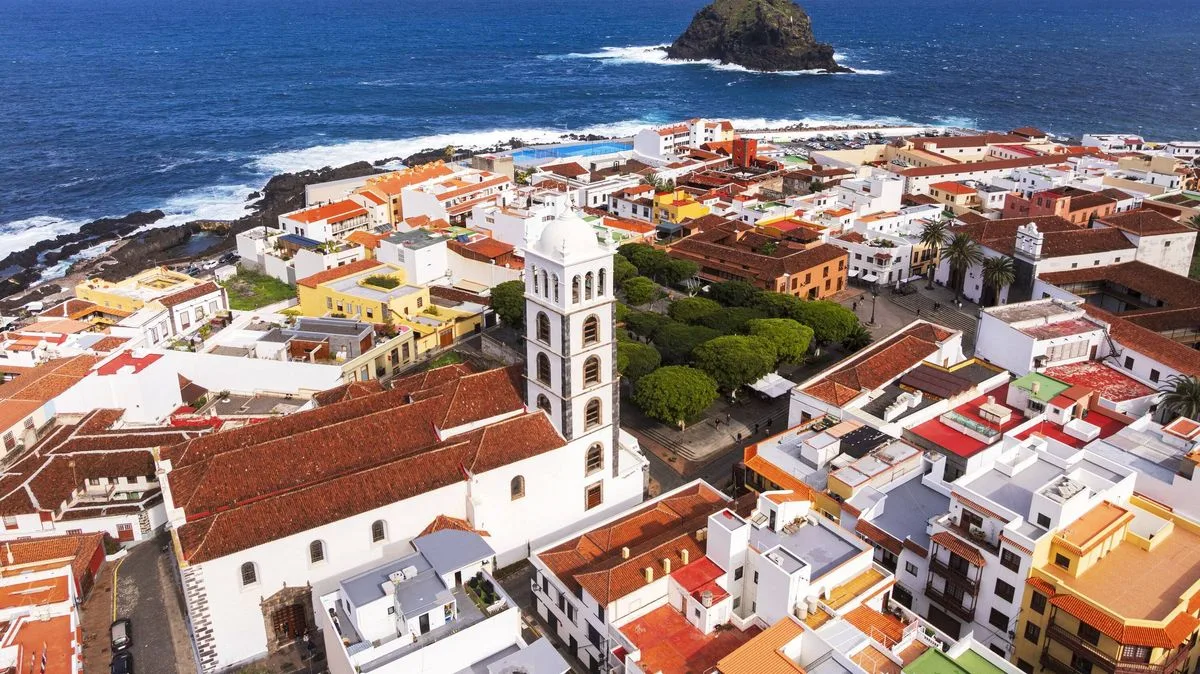
Mount Teide, Spain's tallest peak, last erupted in 1909, causing minor damage. However, an earlier eruption in 1706 destroyed a town and Tenerife's main port of Garachico. The IGN monitors seismic activity through a network of over 100 stations on the island, enabling real-time monitoring of potential changes.
A spokesperson for the local IGN added: 'A month and a half ago this activity would not have attracted much attention. However, given the current context we will continue to monitor the situation closely in case anything changes.' The president of the Cabildo of Tenerife, Rosa Dávila, has previously dismissed speculation about an imminent eruption.