A 4.8 magnitude earthquake struck the holiday island of Gran Canaria this morning, shaking the archipelago and prompting urgent clarification from scientists that the event is unrelated to volcanic activity in Tenerife. The Canary Islands Seismic Network registered the quake at 9:50 am local time, with reports of tremors felt across Gran Canaria and on the neighbouring island of Fuerteventura.
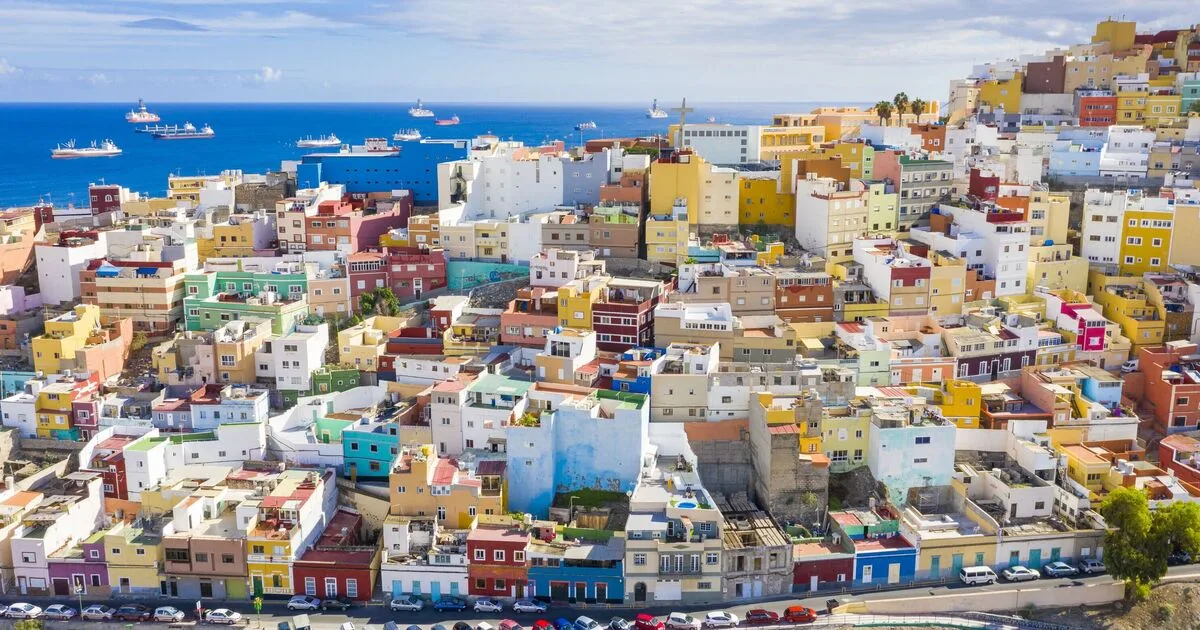
The epicentre was located 59 kilometres off the northern coast of Gran Canaria, near the capital Las Palmas, according to the National Geographic Institute (IGN). Automated monitoring systems detected the seismic event immediately, and authorities are assessing whether any damage or injuries occurred. Locals and tourists reported feeling the vibration in homes and workplaces, with regional television programme 'Buenos Días Canarias' broadcasting live accounts.
In an urgent statement, the Volcanological Institute of the Canary Islands (Involcan) stressed that this earthquake is a tectonic fracture and has no connection to volcanic seismicity recorded in Tenerife. Scientists from IGN and Involcan are analysing wave data to determine the exact magnitude and depth of the quake, with final figures expected in the coming hours.
Emergency services are on standby, and authorities advise anyone affected to contact them. The Canary Islands, a popular tourist destination, experience occasional seismic activity, but this event has drawn particular attention due to its intensity and widespread sensation.