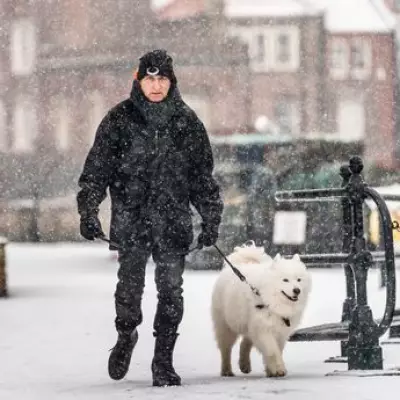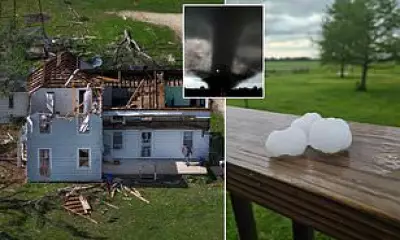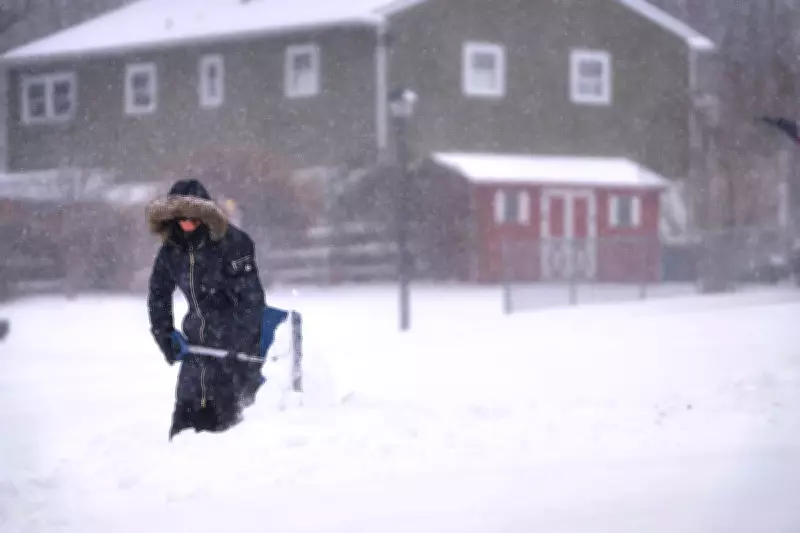
While residents in the eastern and midwestern United States endured bitter cold, blizzards, and subfreezing temperatures, the continental nation has just recorded its second-warmest winter on record, according to federal meteorologists. The Lower 48 states averaged 37.13 degrees Fahrenheit (2.85 degrees Celsius) from December through February, which is considered meteorological winter. This figure is merely one-third of a degree below the warmest winter ever recorded, set just two years ago.
Regional Disparities in Winter Temperatures
Russell Vose, the climate monitoring chief at the National Oceanic and Atmospheric Administration (NOAA), explained that the elevated average temperature was primarily fueled by the region west of the Mississippi River. "The East, especially the Northeast, had winter," Vose stated. "In the West, there were certainly places where you could say we missed the winter." The western United States experienced record or near-record warmth throughout the season, whereas the East faced cold spells that were less extreme in comparison to the West's heat.
Record-Breaking States and Historical Context
Nine states shattered or matched records for their warmest winter: Arizona, Colorado, Nevada, New Mexico, Oklahoma, Oregon, Texas, Utah, and Wyoming. In contrast, Delaware recorded its 28th coldest winter, highlighting the stark regional differences. Notably, eight of the record-warm states rank among the top ten in land area within the Lower 48, while Delaware is the second-smallest state.

Jeff Masters, a meteorologist with Yale Climate Connections, noted that the cold spells in the East, while seemingly harsh and prolonged, did not persist throughout the entire winter. "We had a pretty impressive long stretch of unbroken cold that was very notable. But the total duration for the whole winter, not so much," he remarked.
Monthly Breakdown and Long-Term Trends
February emerged as the fourth-warmest on record nationally, with Arizona, Colorado, New Mexico, Oklahoma, and Wyoming experiencing their warmest February ever. January ranked as the 24th-warmest month nationally, and December was the fifth-warmest. Over the past 50 years, winter temperatures in the Lower 48 states have warmed by 3.95 degrees Fahrenheit (2.19 degrees Celsius), a rate significantly higher than any other season, according to NOAA data.
NOAA's winter temperature records extend back 131 years, with the average U.S. winter temperature historically at 32.2 degrees Fahrenheit (0.1 degrees Celsius). The recent findings underscore the ongoing shifts in climate patterns, emphasizing the need for continued monitoring and analysis.