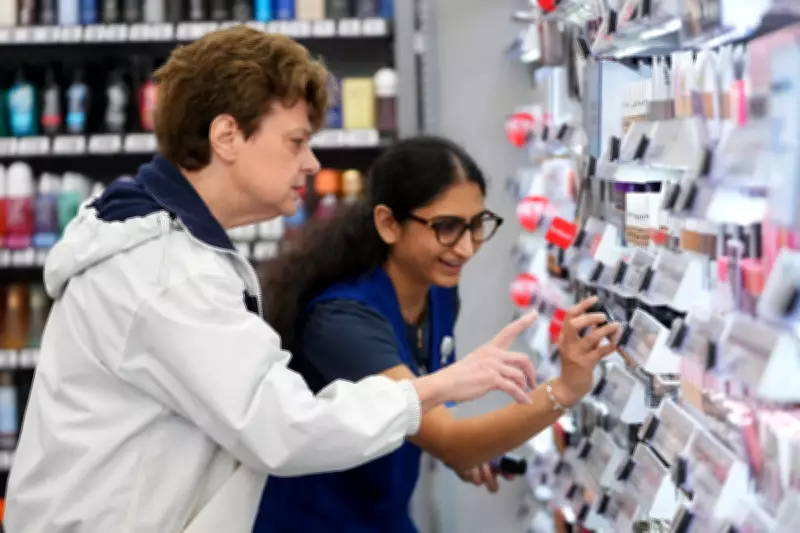
Walmart customers may discover a new level of service during their next visit to the makeup and skin care aisles: in-store advisers offering personalized tips and recommendations. The retail giant is moving beyond its traditional no-frills service model by deploying trained specialists who can suggest foundation shades to match a shopper's skin tone or recommend trending moisturizers from TikTok.
Expansion of Beauty Expert Program
The beauty expert roles have already been filled at 22 stores in Arkansas and Texas in recent months, and Walmart expects to have them in more than 400 of its 4,600 namesake U.S. stores by the end of the year. This initiative is part of a broader strategy to capture a larger share of the $129 billion U.S. beauty and personal care market, competing with rivals like Target, Sephora, and department stores.
Last year, Walmart piloted a “beauty bar” concept in 40 stores, where customers could sample products and speak with advisors. That concept has now expanded to hundreds of locations, according to Vinima Shekhar, vice president of beauty merchandising for Walmart’s U.S. division. As part of plans to remodel 650 stores by year-end, the company is moving beauty departments to the front of stores and installing displays to highlight products gaining traction on social media.

Human Touch in a Digital Age
Department stores and specialty beauty chains have long employed staff to assist with product testing and purchases. Pharmacy chains CVS and Walgreens added beauty experts to many locations over the past decade. Walmart’s move underscores the importance of human interaction in differentiating physical stores from online shopping platforms and AI chatbots.
“We’re not trying to be an Ulta or Sephora,” Shekhar told the Associated Press. “We have the breadth of assortment that no one else has. We have convenience that no one else has. What we also want to do is layer on a level of service for both our associates and our customers: ‘Here’s what trending. Here’s what’s new.’”
Premium Brands and Enhanced Ambience
In the past year, Walmart has added premium beauty brands such as French pharmacy skin care line La Roche Posay, Australian natural makeup brand Nude by Nature, and FHI Heat hair tools. Some products, like La Roche Posay sunscreens, cost nearly $40 for 1.7 ounces. This refresh is part of a broader effort to upgrade merchandise and store ambience, attracting higher-income shoppers who seek inspiration when buying beauty products.
Target announced in early March plans to expand its upscale beauty assortment and deploy staff with enhanced product expertise in 600 stores this fall, introducing a new department called Target Beauty Studio to partly replace in-store Ulta shops. Walmart is also considering adding expert staff in other departments, such as electronics, according to Whitney Hunt, vice president of Walmart's U.S. operations.
Demand for Personalized Advice
Despite concerns about artificial intelligence replacing jobs, online postings for beauty experts and advisers have remained stable between February 2020 and March 2026, according to Cory Stahle, an economist with Indeed. In contrast, postings for marketing and software development roles fell over 20% in the same period.
The median wage for beauty expert roles was $19.54 per hour in March, roughly $2 more than the average for other retail jobs. Walmart says its beauty experts can earn between $14 and $35 per hour, depending on location, similar to the company’s overall hourly range of $14 to $37.
Training and Tools
Walmart’s beauty advisers undergo a day of training at a company academy and receive ongoing instruction on products, seasonal trends, and customer interaction. Unlike employees at some department stores and specialty chains, they do not apply products or perform makeovers. Walmart provides online tools to help advisers understand sales targets, top-selling brands, and store performance compared to other locations.

Helena Bacon, 21, a University of Arkansas junior studying biology, said her training last fall empowered her to better assist customers. Previously, she worked in the pharmacy, health, and personal care area, occasionally helping in beauty. Now, she understands product ingredients, can identify flattering lipstick shades, and stays current with TikTok trends. “I was kind of everywhere before,” she said. “But now that I’m just in my section, if someone does come up to me and asks for a recommendation, I could go over with them and say, ‘This is what I know is good for the problem you’re trying to fix.’”