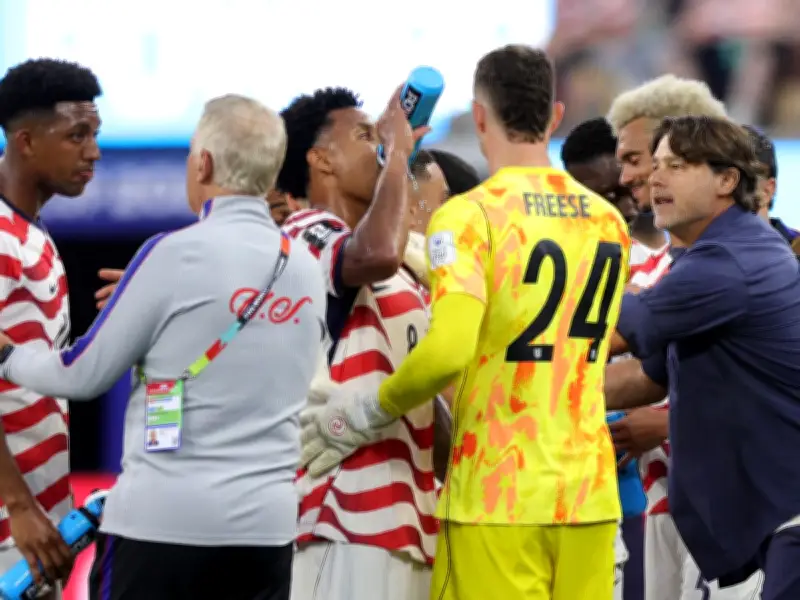
Hydration breaks at the World Cup have sparked debate among fans, with many questioning their necessity. The breaks are mandatory, occurring exactly 22 minutes into each half of every match, regardless of weather conditions. FIFA implemented this policy to safeguard player health and combat extreme heat stress, a change that applies to all matches, even those in climate-controlled stadiums.
Why Are Hydration Breaks Mandatory?
These cooling breaks also allow broadcasters to schedule transmissions. The rule originated from the FIFA Club World Cup last summer, where players and managers criticized the heat in the United States. Chelsea's Enzo Fernandez reported feeling "really dizzy" in "very dangerous" temperatures, while Atletico Madrid's Marcos Llorente complained of being "terribly hot" with sore toes and nails.
Fan Reactions
Not everyone welcomes the breaks. Social media users expressed disdain, with one saying: "Three minutes and it's not even that hot out? Absolutely disgraceful." Another claimed financial motives: "Did FIFA really add hydration breaks just to run more ads? This is insane." Others accused FIFA of tailoring the game for American audiences: "These hydration breaks are just a back door way of turning football into quarters for Americans."
What Do You Think?
Share your opinion on the new hydration break rule in the comments below.
Upgrade Your World Cup Viewing
Sky is offering 20% off its Glass TVs until June 17, with prices starting from £4.50 per month when bundled with Sky TV and Netflix. This article contains affiliate links; we may earn a commission on sales.