Dubai Airport Temporarily Closed Following Iranian Drone Strike
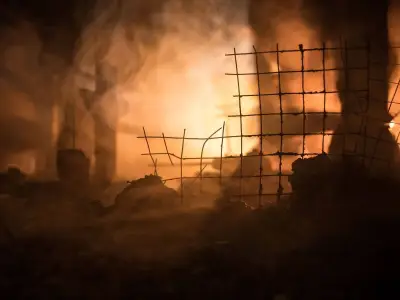
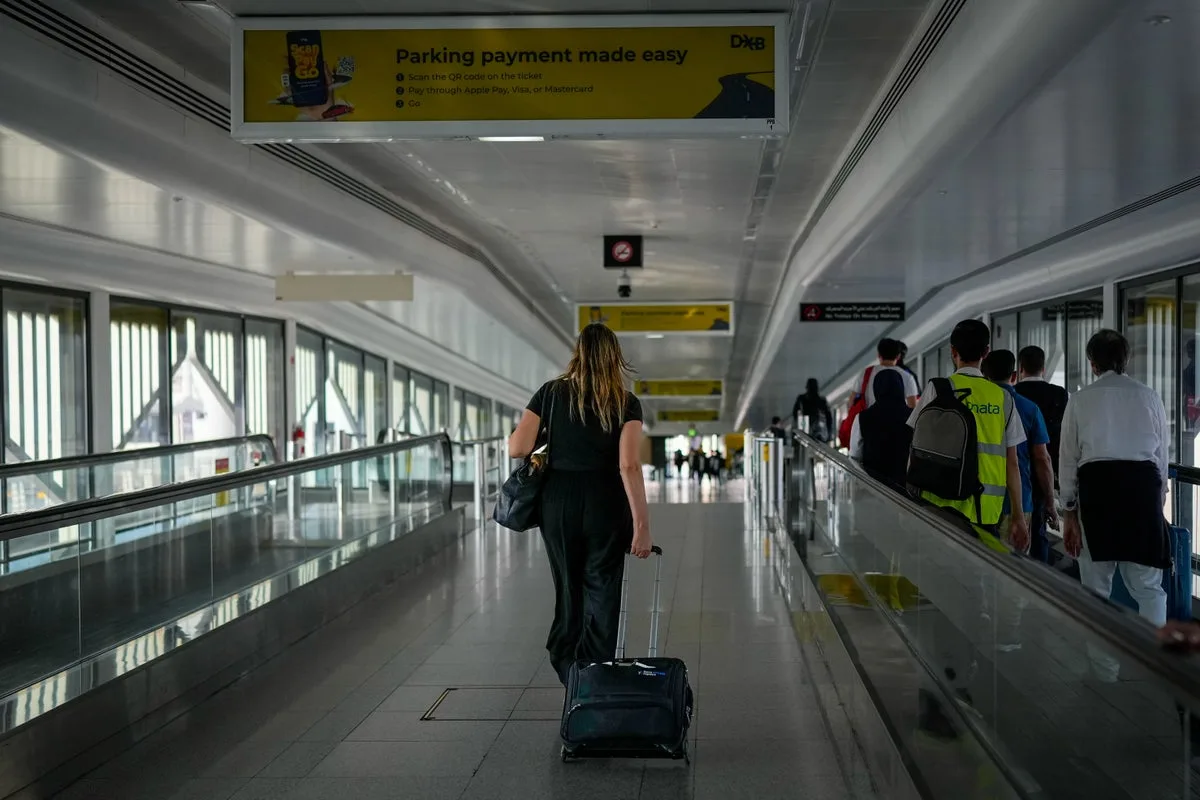
Dubai International Airport, a major global aviation hub, was forced to close temporarily this morning after an Iranian drone struck a fuel tank, igniting a substantial fire. The incident prompted widespread flight diversions and road closures as a dense plume of black smoke billowed into the sky, visible from miles around.
Global Flight Disruptions and Safety Measures
Emirates flights from distant cities including Melbourne, Sydney, and Thiruvananthapuram in India were compelled to turn back mid-air and return to their departure points following the sudden closure. At least two drones targeted the airport, leading Emirates airline to advise passengers against travel for several hours. Some flights were redirected to the smaller Al Maktoum International Airport in nearby Jebel Ali as an alternative.
According to the Dubai Civil Aviation Authority, the suspension of flights was implemented as a precautionary measure to ensure the safety of passengers and staff after the attack occurred around 4am local time. Authorities confirmed that a fire erupted following a drone strike in the vicinity of the airport, resulting in minimal damage and no reported injuries.
By 10am local time, Emirates gradually resumed operating a reduced schedule of flights after the blaze was brought under control. This incident marks the first occasion the Dubai government has explicitly acknowledged that a drone caused the damage, rather than debris from an interception, despite previous targeting in missile and drone barrages from Iran.
Broader Regional Impact and Aviation Turmoil
The ongoing US-Israel conflict with Tehran has plunged global aviation into disarray, with numerous flights cancelled, rescheduled, and rerouted. Gulf states have endured waves of missile and drone attacks since the outbreak of the war on February 28, with the United Arab Emirates reporting the interception of over 1,800 drones, making it the most targeted nation in the Middle East.
These assaults have severely disrupted travel and tourism in the Gulf financial hub, although air defence systems have managed to intercept most projectiles. In response, many British expatriates have flown home, and western banks and technology companies have evacuated their staff from the region. Iran has targeted both US assets and civilian sites, including airports, ports, and oil facilities across the Gulf, following US-Israeli strikes on its leadership.
International Political Fallout and Trump's Warnings
Amidst the escalating tensions, former US President Donald Trump issued a stark warning regarding NATO's future if allies refuse to assist in securing the Strait of Hormuz, a critical waterway for global oil shipping. Speaking to reporters aboard Air Force One, Trump emphasised that nations heavily reliant on Gulf oil have a responsibility to help protect the strait from Iranian attacks.
Trump stated, "I'm demanding that these countries come in and protect their own territory, because it is their territory." He cautioned that a lack of response from other nations could be "very bad for the future of NATO," adding that the US has been "very sweet" to its European allies. He revealed discussions with about seven countries, including China, about policing the Strait of Hormuz, citing their heavy reliance on oil shipments through the waterway.
In an interview with the Financial Times, Trump expressed particular frustration with Britain's response to the conflict, singling out Prime Minister Sir Keir Starmer. He remarked, "The UK might be considered the number one ally, the longest serving et cetera and when I asked for them to come, they didn't want to come." Trump criticised the delayed offer of naval support, stating, "I've long said that NATO is a one-way street."
The combination of direct attacks on aviation infrastructure and geopolitical tensions continues to pose significant challenges to regional stability and international travel, with Dubai airport's gradual resumption of services underscoring the fragile recovery in the face of ongoing threats.