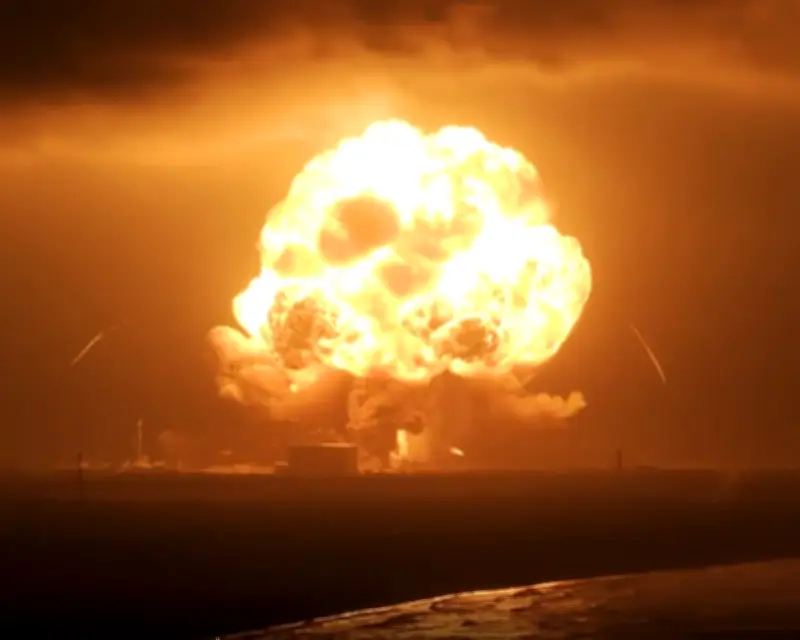
Blue Origin's uncrewed New Glenn rocket exploded during a test at Cape Canaveral Space Force Station in Florida on May 28, 2026. The blast was visible over 100 miles away, destroying the rocket and damaging the launchpad. Despite the severity, CEO Dave Limp announced on June 1 that the company would fly again before the end of the year, citing its motto "Gradatim Ferociter" (Step by step, ferociously).
NASA's Response and Support
NASA Administrator Jared Isaacman promised a "whole government response" to assist Blue Origin, emphasizing the importance of the company's lander, Blue Moon, for the Artemis III mission scheduled for late 2027. NASA is deploying subject matter experts to investigate the root cause and help rebuild the pad. The Space Force is also providing resources for the rebuild.
Artemis III and Blue Moon
Artemis III will test both Blue Moon and SpaceX's Starship Human Landing System (HLS) in lower Earth orbit. The two are competing for selection for Artemis IV, which aims to return humans to the lunar surface by 2028. Blue Moon is designed specifically for New Glenn, and NASA is reportedly urging Blue Origin to consider reconfiguring it for SpaceX's Falcon Heavy rocket as a backup.

Isaacman stated that NASA is "decoupling" Blue Moon from the rocket and launchpad to keep the lander development on track. He described the explosion as "a setback that happens in this business" and stressed the need to learn and move forward.
Recovery Efforts
Limp noted that the propellant farm, oxygen, liquid hydrogen, and LNG tanks are in good shape, and the water tower survived. The main support tower is damaged but can be repaired in place. Space experts caution that the recovery timeline depends on identifying the cause of the failure. John Logsdon, former director of the Space Policy Institute, pointed to historical precedents like the Apollo I fire, emphasizing that setbacks are part of spaceflight and that Blue Origin has the resources to recover.
Eric Berger of Ars Technica called the return-to-flight timeline "aggressive," noting that ground logistics and potential hidden damage could cause delays. However, Blue Origin remains committed to its goal, backed by Jeff Bezos's financial resources and NASA's support.