In a landmark shift for British media, YouTube has surpassed the BBC in monthly audience reach for the first time ever, according to new industry data. The figures signal a profound change in the nation's viewing habits, challenging the traditional dominance of public service broadcasting.
A Tipping Point for Television
Data from the independent ratings body Barb shows that in December, the video streaming giant reached 51.9 million people in the UK. This narrowly eclipsed the 50.9 million who tuned in to the BBC's portfolio of channels and services. Barb further noted that YouTube's monthly audience has been consistently larger than the BBC's since it began measuring the platform in October, counting viewers who watch for at least three consecutive minutes.
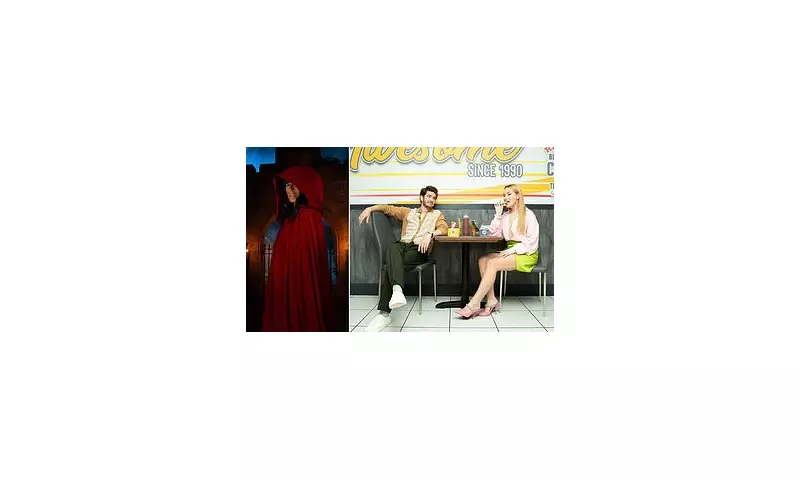
While the BBC still commands massive audiences for flagship programmes like The Traitors—whose launch was watched by 6.9 million—popular UK YouTubers are achieving even greater scale. For instance, Amelia Dimoldenberg's interview series Chicken Shop Dates regularly attracts over 10 million viewers per episode.

BBC Response and the Licence Fee Crisis
Insiders at the BBC have sought to downplay the findings, emphasising their continued strength in longer-form viewing. They point to metrics like the number of people watching for at least 15 minutes, where the broadcaster says it still outperforms YouTube.
However, the data is the latest indicator of a broader trend of Brits switching off from traditional BBC services. This has fuelled rising criticism of the £159 annual TV licence fee model. The financial pressure on the corporation is stark: last year it lost more than £1 billion as a record one in eight households admitted they do not pay the fee.
A report by the Commons Public Accounts Committee revealed that some 3.6 million households now say they do not need a licence, a rise of 300,000 from the previous year. This non-payment represents a potential revenue loss of around £617 million. To plug this funding gap, the BBC has floated radical ideas, including showing adverts or placing classic shows like 'Allo 'Allo behind a paywall.
An Industry in Transformation
The shift has been described as a "tragedy" by some industry veterans. TV veteran Steven D Wright told The Times: "The tipping point is here and we are now living in a world dominated by YouTube and the streamers. The TV audience has abandoned the discipline of scheduled TV."
Despite the challenging figures, the BBC highlighted that UK audiences still watched a substantial 351 million hours on its services each week last year. Meanwhile, YouTube's growth has been bolstered by attracting older viewers who use the platform for long-form interviews and documentaries—content once the sole preserve of terrestrial TV. This trend means 41 per cent of YouTube's in-home viewing now happens on a television set, not just on phones or tablets.
The platform's rise has been steady since its 2005 launch, and in 2024 it replaced ITV as the UK's second most-watched broadcaster overall. The Daily Mail has approached the BBC for further comment on these latest findings.