In a landmark shift for British media, YouTube has officially surpassed the BBC in monthly viewership for the first time ever, according to new industry data. The figures signal a profound change in the nation's viewing habits, moving away from traditional scheduled broadcasting towards on-demand digital platforms.
A Historic Tipping Point in Viewing Habits
Data from the independent audience measurement body Barb shows that in December, the video giant reached 51.9 million people in the UK. This edged ahead of the 50.9 million who tuned in to the BBC's services. Barb added that since it began measuring YouTube's reach in October, the number of people watching the platform for at least three consecutive minutes each month has consistently been higher than the BBC's equivalent figure.
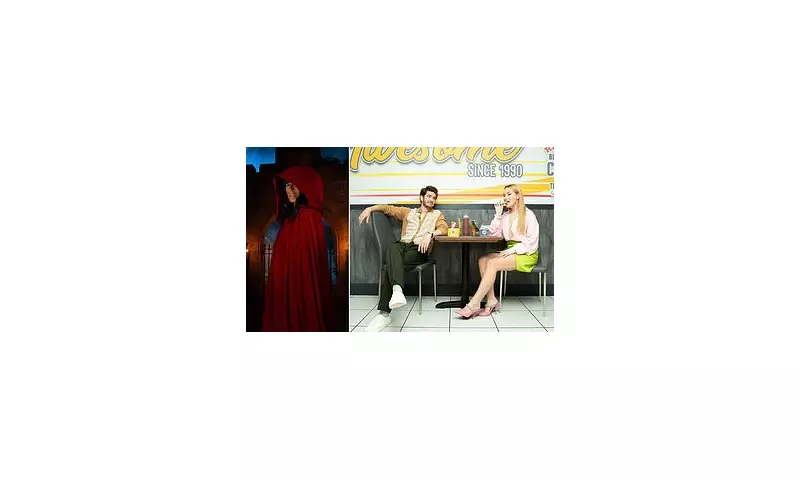
While the BBC still commands massive audiences for flagship shows like The Traitors, whose launch was watched by 6.9 million, popular British YouTube creators are drawing even bigger crowds. For instance, Amelia Dimoldenberg's interview series Chicken Shop Dates regularly attracts over 10 million viewers per episode.

BBC Response and the Licence Fee Crisis
Insiders at the BBC have sought to downplay the findings. They pointed out that the corporation continues to outperform YouTube on metrics relevant to long-form television, such as the number of viewers who watch for at least 15 minutes. A spokesperson highlighted that UK audiences still watched a substantial 351 million hours on the BBC each week last year.
However, the data is the latest sign of a worrying trend for the broadcaster, fuelling criticism of its compulsory £159 annual licence fee. Last year, the organisation lost more than £1 billion as a record one in eight households admitted they do not pay the fee. A report by the Commons Public Accounts Committee indicated that some 3.6 million households now claim they do not need a licence, a rise of 300,000 from the previous year, representing a potential revenue loss of £617 million.
To plug this funding gap, the BBC has reportedly considered radical options, including showing adverts or placing classic shows like 'Allo 'Allo behind a paywall.
The Changing Landscape of British Entertainment
The growth of YouTube's popularity in the UK has been steady since its 2005 launch. In 2024, it replaced ITV as the nation's second most-watched broadcaster overall. This expansion is being driven not just by younger audiences but by an increasing number of older viewers who are turning to the platform for long-form interviews and documentaries—content traditionally the domain of terrestrial television.
This shift in content consumption means that 41 per cent of in-home viewing now occurs on a television set, even when the source is a digital service like YouTube. Commenting on Barb's findings, TV veteran Steven D Wright described the moment as a 'tragedy'. He told The Times: 'The tipping point is here... The TV audience has abandoned the discipline of scheduled TV, and on-demand viewing has killed any loyalty. Who wants to wait when you can click your phone?'
The Daily Mail has approached the BBC for further comment on these developments.