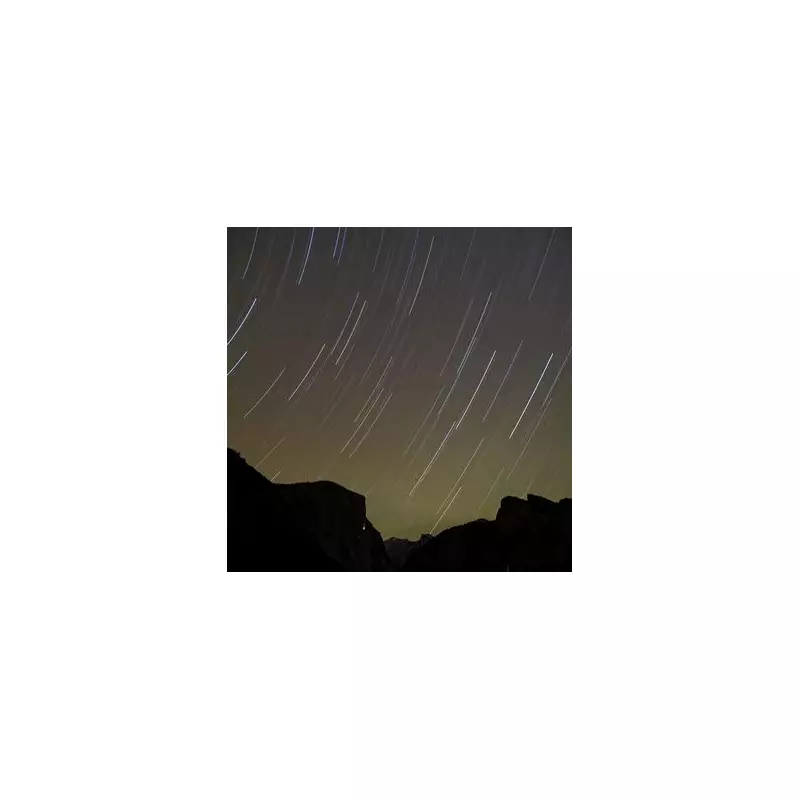
Skywatchers across the United Kingdom have one last chance to witness a celestial spectacle before the year ends, as the annual Ursid meteor shower reaches its peak intensity.
When and Where to Watch the Ursids
The Ursid meteor shower is active between 17 and 26 December, with its peak occurring on 22 December 2025, according to Royal Museums Greenwich. This shower is known for being relatively sparse, producing an average of around ten meteors per hour at its height. However, rare outbursts have been recorded with rates exceeding 100 per hour.
The optimal viewing window is between midnight and dawn. This year's peak coincides favourably with a thin waxing crescent Moon, which will set early in the evening, leaving darker skies for better visibility. The shower radiates from the constellation Ursa Minor, but the best strategy is to look approximately 30 degrees away from this point.

Top Tips for Successful Meteor Spotting
To maximise your chances of seeing a meteor streak across the night sky, preparation is key. The most critical step is to escape the bright lights of towns and cities. Light pollution from urban areas will significantly obscure the view. Seek out a dark, isolated location with a wide, open view of the sky.
Once you are in position, allow your eyes at least 30 minutes to adjust fully to the darkness. Avoid looking at your phone or any other bright screens during this time. You do not need to stare in one specific direction; instead, relax and scan the entire sky with your naked eyes.
The Cosmic Origins of the Display
The Ursids are not random space debris; they have a specific celestial source. The shower is caused by dust and particles left behind by comet 8P/Tuttle, which was first discovered by Pierre Mechain in Paris in 1790.
This comet follows an elongated orbit that brings it as close to the Sun as Earth is, before swinging out as far as Saturn. Its path is tilted relative to Earth's orbit, meaning our planet plows through this stream of cometary material from above. The comet last visited the inner solar system in August 2021, though this pass is not directly linked to the intensity of this year's meteor display.
While the Ursids may be a more low-key affair compared to December's prolific Geminids, they offer a serene and potentially stunning finale to the year's astronomical calendar for patient observers under clear, dark skies.