Gogglebox Star Claims Life 'Went Downhill' Following BT Landline Removal
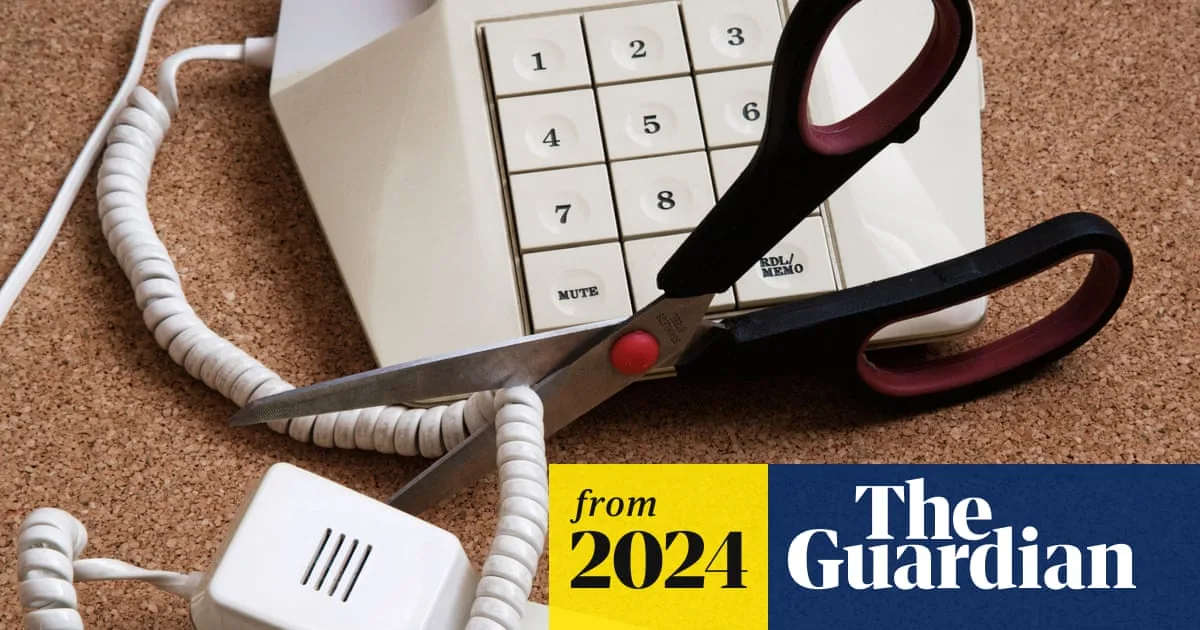
Mary Killen, a familiar face on Channel 4's reality show Gogglebox for eleven years alongside her husband Giles Wood, has publicly stated that her life took a significant turn for the worse after British Telecom disconnected her traditional telephone landline. The television personality alleges that BT Openreach upgraded her home phone system to a digital service without her explicit instruction or consent, completely removing her reliable copper landline connection.
Persistent Technical Issues and Failed Resolutions
Following the forced transition, Killen experienced consistent problems with her new Wi-Fi dependent landline, which repeatedly cut out during conversations. Despite multiple visits from engineers attempting to rectify the situation, the connection issues have persisted, with calls frequently dropping due to poor signal quality. Workers have attributed these difficulties to the thick walls of her historic Wiltshire cottage, an explanation Killen finds unsatisfactory given she enjoyed decades of flawless service prior to the digital upgrade.
In a detailed account published in The Spectator, Killen lamented the loss of her cherished communication routine: 'For decades I had spent many happy hours per day lying in bed organizing jobs and romantic partners for friends, piecing together information uncovered through lengthy conversations over the copper landline to make successful matches.' She emphasized that without the ability to engage in extended phone conversations, her matchmaking activities have suffered considerably.
BT's Digital Voice Rollout and Safety Concerns
This situation emerges against the backdrop of BT's nationwide Digital Voice initiative, which involves overhauling the existing network of copper cables and replacing them with a fully digital system that relies on broadband routers. Originally scheduled for completion by 2025, the telecommunications giant has since delayed the deadline due to mounting safety concerns.
The rollout was temporarily halted in 2022 when customers found themselves unable to contact emergency services during Storm Eunice, as power outages caused internet connections to fail. In response, BT has offered customers battery backup units and hybrid phones, though some remote communities remain anxious about potential isolation. Killen noted that these backup options are only accessible to individuals with 'good mobile coverage,' leaving others vulnerable.
Questioning the Need for Change and Digital Vulnerability
Killen has openly questioned the necessity of replacing a system that 'wasn't broke,' arguing for the retention of at least a skeleton analogue service. She expressed serious concerns about potential digital blackouts, drawing parallels to incidents like the one orchestrated by Donald Trump in Venezuela. 'Why not retain even a skeleton service of this robust communication system in anticipation of, for example, Vladimir Putin or Xi Jinping turning off our Wi-Fi similarly?' she wrote. 'In a digital blackout, where would we turn for information? Carrier pigeons? Only some of us have had the sense to retain our analogue radios.'
The reality television star advocates for a communications infrastructure that incorporates both digital and analogue elements to ensure resilience. A BT spokesperson responded to The Telegraph, stating: 'While we were sorry to read about Mary's experience, we cannot comment on her case without her customer details. We have attempted to contact Mary but have not heard back. We encourage her to get in touch so we can understand which provider she is with and whether BT can assist.'