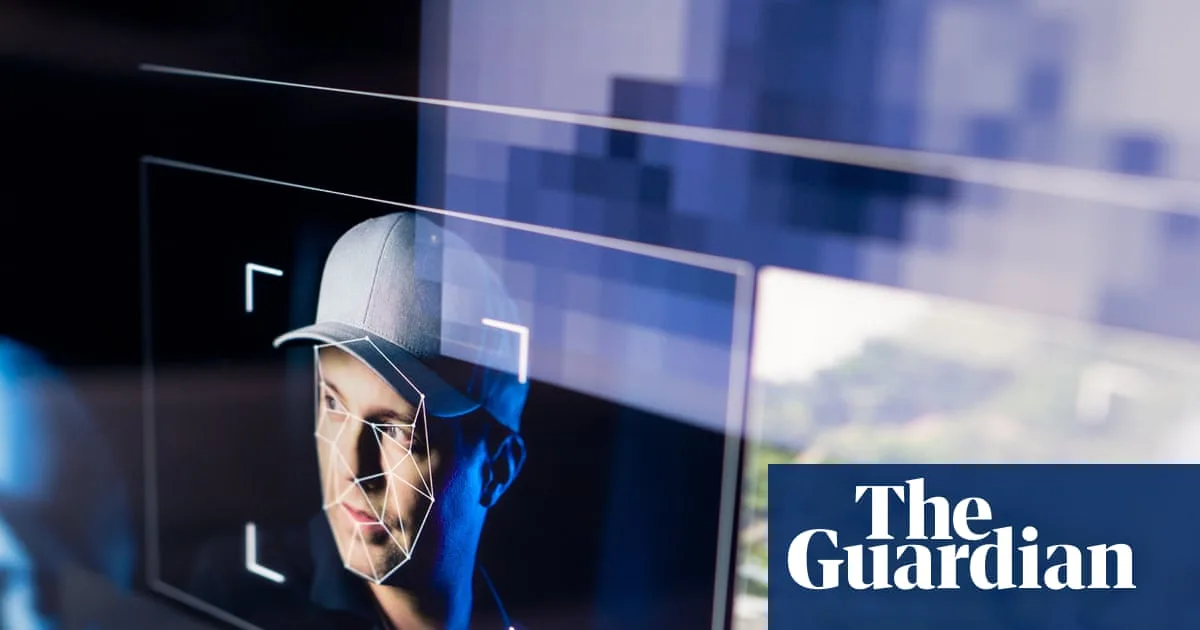
Deepfake fraud has escalated to an industrial scale, with tools for creating personalised scams now cheap and widely accessible, according to a new analysis by the AI Incident Database. The study catalogued over a dozen recent cases of 'impersonation for profit', including deepfake videos of Western Australia's premier promoting an investment scheme and fake doctors endorsing skin creams.
Researchers say the barrier to entry for producing convincing fake content has virtually disappeared. Simon Mylius, an MIT researcher linked to the database, noted that 'frauds, scams and targeted manipulation' have been the largest category of reported incidents for 11 of the past 12 months. 'It's become very accessible to a point where there is really effectively no barrier to entry,' he said.
Harvard researcher Fred Heiding, who studies AI-powered scams, added: 'The scale is changing. It's becoming so cheap, almost anyone can use it now. The models are getting really good – they're becoming much faster than most experts think.' He warned that deepfake voice cloning is already excellent, while video quality continues to improve, posing risks to hiring, elections, and trust in digital institutions.

The report highlights a case where a finance officer at a Singaporean multinational paid nearly $500,000 to scammers after a fake video call with company leadership. UK consumers lost an estimated £9.4bn to fraud in the nine months to November 2025. In another incident, Jason Rebholz, CEO of AI security firm Evoke, interviewed a candidate whose video image was later confirmed to be AI-generated. 'If we're getting targeted with this, everyone's getting targeted with it,' he said.