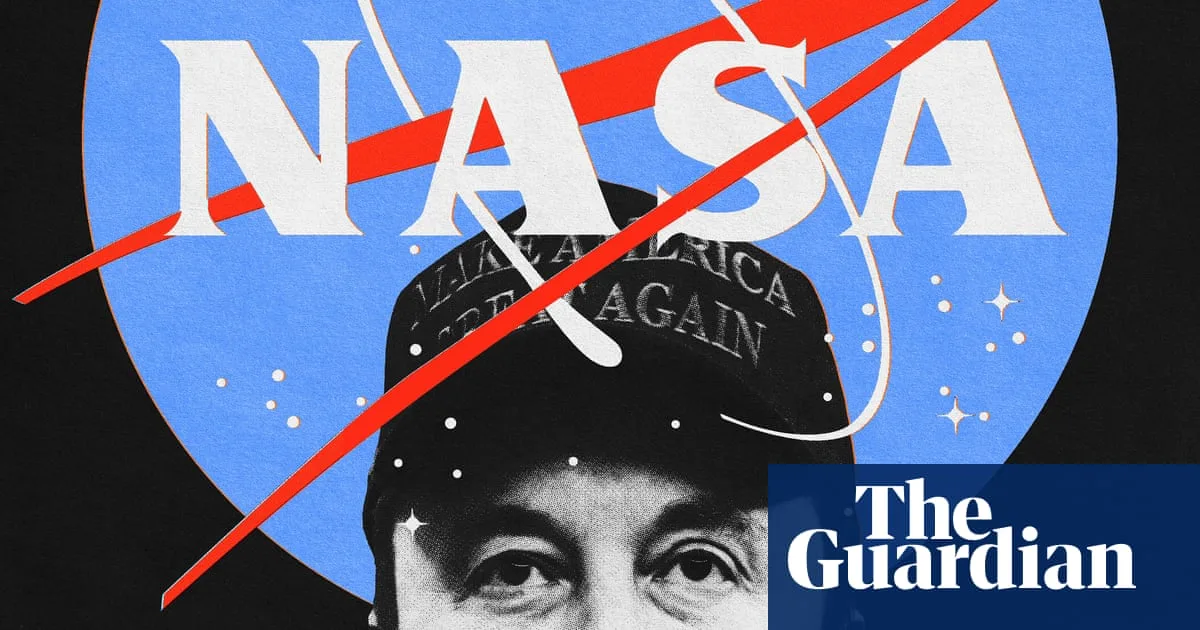
The intersection of private spaceflight and US politics has been thrust into the spotlight following a high-profile visit by former President Donald Trump to a SpaceX launch facility in Florida. The event, centred on billionaire Jared Isaacman's upcoming private astronaut mission, has ignited a fierce debate about the future direction and funding of NASA.
A Political Landing at the Launchpad
On Monday, Donald Trump toured SpaceX's launch and landing facilities at Cape Canaveral alongside Jared Isaacman, the financier and commander of the forthcoming Polaris Dawn mission. This private venture, scheduled for launch no earlier than mid-2025, aims to achieve the first-ever commercial spacewalk. The visit, which included a close-up view of a Falcon 9 booster, was framed by the Trump campaign as underscoring the former president's legacy in fostering commercial space partnerships during his administration.
However, the spectacle has drawn sharp criticism from political opponents and space policy experts. They argue it represents a dangerous politicisation of America's civil space agency. The core of the concern lies in Trump's recent public statements suggesting that, if re-elected, he might slash NASA's climate science budget and redirect funds towards more high-profile exploration goals, such as returning humans to the Moon.
The Isaacman Factor and NASA's Commercial Reliance
Jared Isaacman is no ordinary space tourist. The founder of Shift4 Payments has become a central figure in SpaceX's human spaceflight ambitions, having previously commanded the all-civilian Inspiration4 mission in 2021. His Polaris programme, a series of three increasingly complex missions, is privately funded but relies heavily on NASA's foundational expertise and, in some areas, its cooperation.
This relationship highlights NASA's evolving role. The agency has increasingly become an anchor customer for commercial services, a model championed during the Trump administration and continued under President Biden. While this has spurred innovation and reduced costs, Isaacman's mission with Trump has amplified anxieties that this dependency could be leveraged for political ends. Critics fear a future where NASA's scientific priorities are dictated by political whims rather than research imperatives.
Funding Fears and the Future of US Space Science
The immediate policy fear stems from Trump's own words. He has explicitly proposed cutting "climate change" programmes within NASA to free up resources for lunar and Martian exploration. Such a move would target the agency's Earth Science Division, which operates a fleet of satellites critical for monitoring global warming, weather patterns, and environmental changes.
Scientists and Democrats have reacted with alarm. They contend that sacrificing Earth science for deep-space spectacle is short-sighted, arguing that understanding our home planet is a fundamental pillar of NASA's mission. The controversy raises profound questions about the stability and direction of US space policy as the nation enters a new era of lunar exploration with the Artemis programme and faces escalating global competition in space.
Ultimately, the images from Cape Canaveral signify more than a routine campaign stop. They encapsulate a pivotal tension in modern space exploration: between public and private interests, between scientific inquiry and political spectacle, and between studying Earth and reaching for the stars. The outcome of this debate will significantly shape NASA's mission for decades to come.