Russia is reportedly planning to establish a nuclear power plant on the moon within the next decade, according to recent statements from its state space corporation. This ambitious project aims to supply energy for its lunar space programme and a joint research station with China, as global powers intensify their efforts in lunar exploration and colonisation.
Ambitious Lunar Energy Project
Russia's state space corporation, Roscosmos, said in a statement that it planned to build a lunar power plant by 2036 and has signed a contract with the Lavochkin Association aerospace company to execute the project. The purpose of the plant is to power Russia's lunar programme, including rovers, an observatory and the infrastructure of the joint Russian-Chinese International Lunar Research Station.
"The project is an important step towards the creation of a permanently functioning scientific lunar station and the transition from one-time missions to a long-term lunar exploration program," Roscosmos said in its official announcement. While the corporation did not explicitly state that the plant would be nuclear, it confirmed that participants included Russian state nuclear corporation Rosatom and the Kurchatov Institute, Russia's leading nuclear research facility.

Historical Context and Current Challenges
Historically, Russia has held a prominent position in space exploration, notably with Yuri Gagarin's pioneering journey in 1961. However, its dominance has waned in recent decades, with the nation now trailing behind the United States and, increasingly, China in the new space race.
The country's lunar aspirations faced a significant setback in August 2023 when its uncrewed Luna-25 mission crashed during a landing attempt. Furthermore, the landscape of space launches, once a Russian speciality, has been revolutionised by commercial entities such as SpaceX, adding to the competitive pressure facing traditional space agencies.
Strategic Importance of Lunar Presence
The head of Roscosmos, Dmitry Bakanov, said in June that one of the corporation's aims was to put a nuclear power plant on the moon and to explore Venus, known as Earth's "sister" planet. This announcement comes as multiple nations accelerate their lunar exploration programmes, recognising the strategic importance of establishing a permanent presence on Earth's natural satellite.
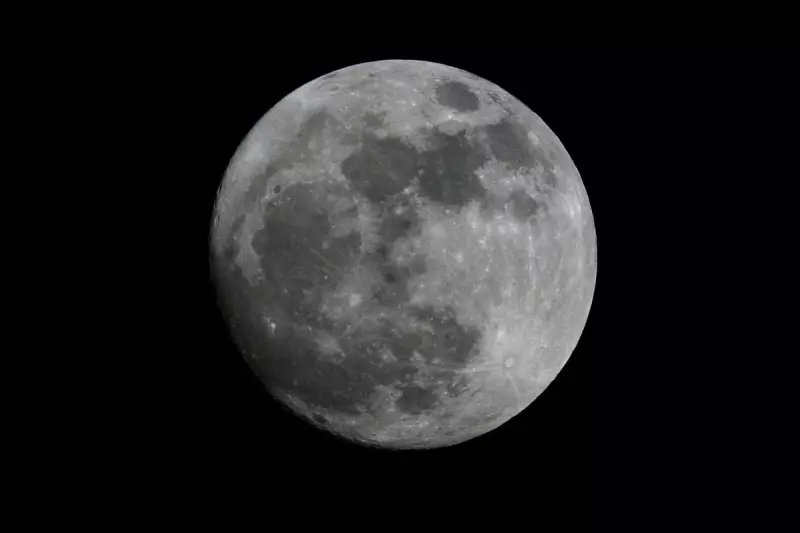
The moon, which is 384,400 kilometres (238,855 miles) from our planet, moderates Earth's wobble on its axis, which ensures a more stable climate. It also causes tides in the world's oceans, making it a crucial celestial body for scientific study and potential resource exploitation.
This lunar nuclear power initiative represents Russia's attempt to reclaim leadership in space exploration while addressing the practical energy requirements of sustained lunar operations. The project underscores the growing international competition for lunar resources and strategic positioning beyond Earth's atmosphere.