Illinois Governor Proposes Two-Year Pause on Datacenter Tax Incentives
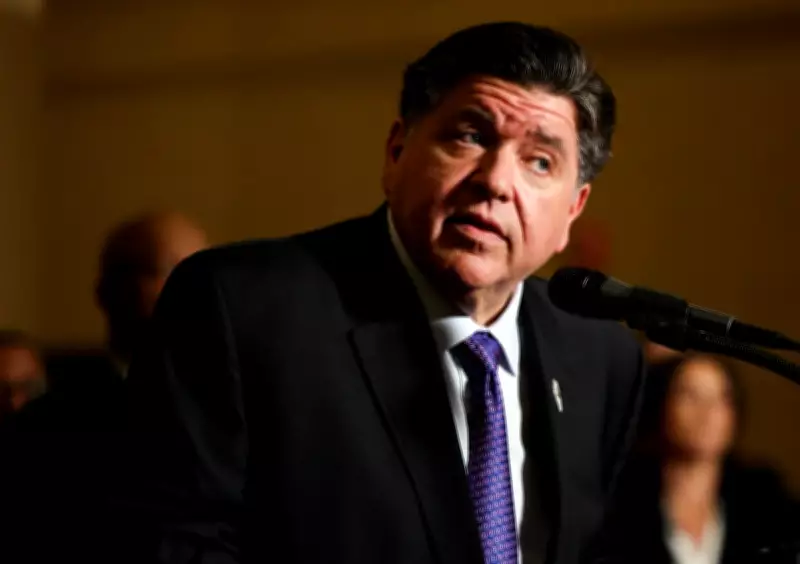
Illinois Governor JB Pritzker has put forward a significant proposal to suspend tax incentives for datacenters for a period of two years. This move reflects a growing wave of public opposition to the large, resource-intensive facilities that are essential for powering the current artificial intelligence boom. The governor made this announcement during his annual state of the state address, which outlines the budget and policy plans for Illinois.
Addressing Affordability and Stability Concerns
In his speech, Pritzker emphasized the need to balance economic growth with the well-being of Illinois residents. "In the face of rising demand and surging prices, I’m proposing a two-year pause on authorization of new datacenter tax credits," he stated. "With the shifting energy landscape, it is imperative that our growth does not undermine affordability and stability for our families." This focus on affordability is a central political narrative this year, as both Democrats and Republicans grapple with the rising cost of living across the United States.
Growing Political Pushback Against Datacenters
Concerns over how datacenters impact local communities and drain resources have become a pressing political issue globally. Companies often invest heavily in constructing expansive facilities, sometimes against the wishes of nearby residents. In response to bipartisan pressure ahead of midterm elections, several major tech firms, including Microsoft and Anthropic, have pledged to cover increasing power costs associated with their datacenters.

Pritzker's proposal goes beyond just pausing tax incentives. He has also called on the northern Illinois power grid operator, PJM, to mandate that datacenter developers bear the additional costs of their power demands. "PJM must force datacenter developers to pay for capacity resources to power their operations to protect consumers from higher rates," Pritzker asserted.
Illinois at the Forefront of AI Regulation
Illinois has been proactive in addressing the challenges posed by the AI boom. In 2024, Governor Pritzker signed a series of bills aimed at regulating AI, including measures related to AI replicas and artists' rights, employment discrimination, and the use of deepfakes for child sexual abuse material. The state has also enacted stricter biometric privacy laws compared to the rest of the country.
Furthermore, Illinois lawmakers and Pritzker have committed to opposing former President Donald Trump's executive order from last year, which sought to prevent states from creating their own AI regulations. This stance underscores Illinois' determination to maintain control over its policymaking in this rapidly evolving field.
National Trends and Industry Implications
The proposal in Illinois is part of a broader national trend. Other states, such as Georgia and Oklahoma, have also considered moratoriums on new datacenter construction until further assessments can be conducted. For instance, a bill in Georgia would halt new datacenters until March of next year, representing a significant pause in an industry characterized by rapid expansion and relentless growth.
As the debate over datacenters intensifies, the focus remains on ensuring that technological advancement does not come at the expense of consumer affordability and community stability. With the 2024 election cycle in full swing, this issue is likely to remain a key point of contention in political discourse across the United States.