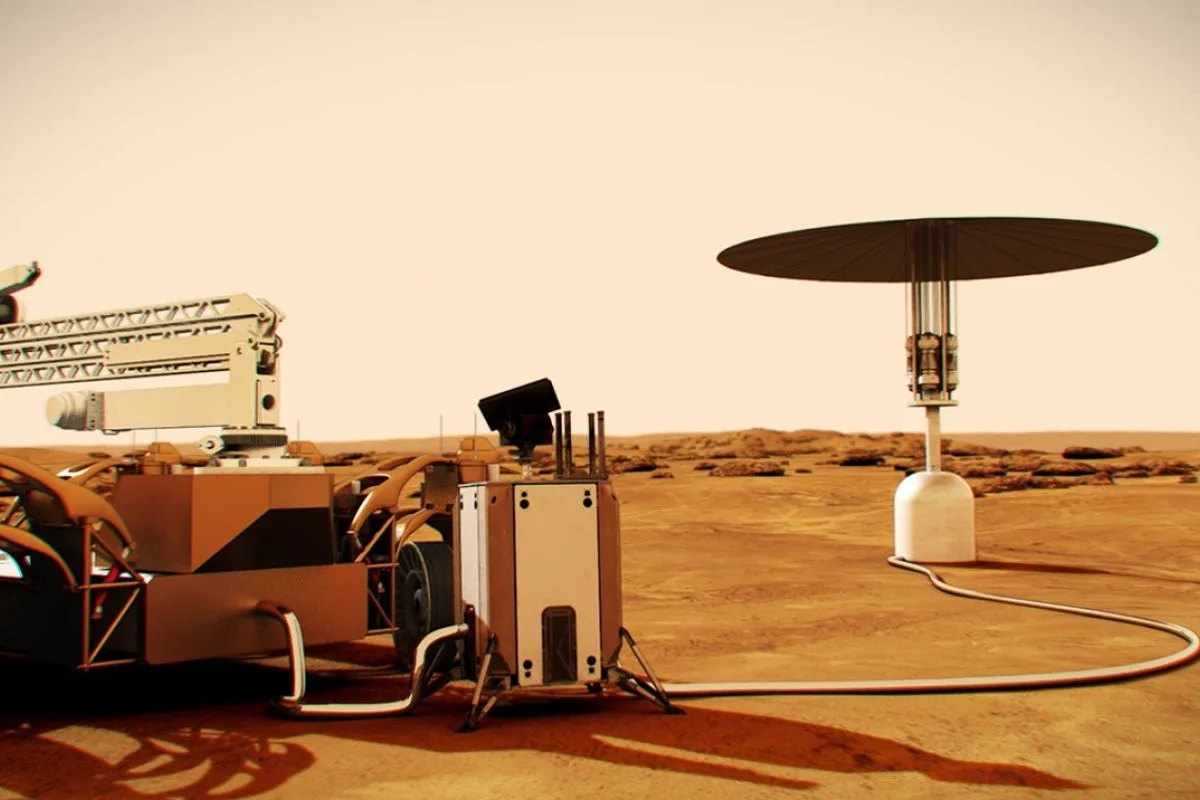
The US National Aeronautics and Space Administration (NASA) and the Department of Energy have formalised a commitment to develop a nuclear reactor on the lunar surface by 2030. The reactor, which relies on nuclear fission, is intended to power NASA's Artemis campaign and future missions to Mars.
A memorandum of understanding signed by the two agencies also outlines plans to deploy nuclear reactors in orbit. The initiative aligns with a presidential executive order from December that emphasised “American space superiority” and renewed focus on nuclear reactors for space exploration.
Energy Secretary Chris Wright described the project as “one of the greatest technical achievements in the history of nuclear energy and space exploration.” NASA Administrator Jared Isaacman, a SpaceX astronaut, stated: “Under President Trump’s national space policy, America is committed to returning to the moon, building the infrastructure to stay and making the investments required for the next giant leap to Mars and beyond. Achieving this future requires harnessing nuclear power.”

The push to expedite the timeline came after China and Russia announced a joint plan to build a nuclear reactor for a lunar base by 2035. Former Acting NASA Administrator Sean Duffy warned that the first nation to achieve such a reactor could declare a “keep-out zone,” potentially hindering US plans for an Artemis presence.
NASA first announced its intention to put a reactor on the moon “within a decade” in 2021, and by 2024 the target for delivering a reactor to a launchpad had shifted to the early 2030s. The reactor will generate at least 40 kilowatts of power—enough to run 30 households for a decade—and must operate for years without refuelling.
Experts have expressed cautious optimism. Sebastian Corbisiero, senior program manager at Idaho National Laboratory leading the Energy Department’s space reactor programme, told The Independent that a lunar nuclear reactor is “doable” by 2030. However, challenges include the need for a working launch vehicle and lunar landing capability.