A rare 4.6-billion-year-old fragment of our solar system, which streaked across the Gloucestershire sky as a brilliant fireball before landing in a Cotswolds cul-de-sac, has catalysed a modern-day treasure hunt. The recovery of the Winchcombe meteorite in February 2021, the first such find in the UK for three decades, was a watershed moment made possible by doorbell cameras and vigilant networks. Yet this success story underscores a growing tension: as public fascination and market values for space rocks skyrocket, science risks being priced out of studying these cosmic time capsules.
The Doorbell Camera Revolution in Meteorite Discovery
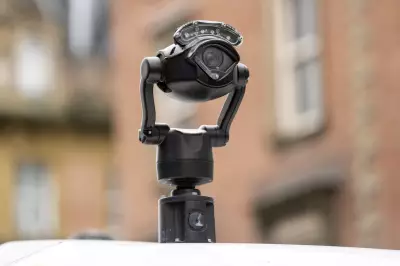
The fall of the Winchcombe meteorite was a landmark event, famously captured on home security cameras across the region. This was no accident but the result of coordinated vigilance. The UK Fireball Alliance (UKFall), a collaboration of meteor camera networks, constantly scans the skies. Dr Helena Bates of the Natural History Museum's Planetary Materials Group credits such networks with fuelling a surge in citizen science. "They have enabled significant citizen science and community involvement," Dr Bates explains. "Anyone can get a camera and get involved... The number of videos of bright fireballs is really high - all bringing exposure."
This technological shift, combining Ring doorbells, dashcams, and phone cameras, has democratised the search for falling stars. Where the UK's damp climate and verdant landscape typically obscure or damage meteorites, rapid community-led discovery proved crucial at Winchcombe. Its swift collection meant scientists could study a specimen with "minimal terrestrial alteration," offering a purer window into the ancient past.

From Scientific Treasure to Multi-Million Pound Commodity
While scientists prize meteorites for the secrets they hold about the formation of our solar system, an aggressive collectors' market now views them as high-value assets. The record was shattered in July 2025 when a 54-pound Martian meteorite, NWA 16788, sold for a staggering $5.3 million (£3.9m) at Sotheby's in New York. This sale highlights the intense competition science now faces from private collectors and hunters.
Darryl Pitt, curator of the Macovich Collection, witnessed this market explosion firsthand after curating the first meteorite auction in the 1990s. "The prices went through the roof. It was crazy," he recalls. That media frenzy inspired a new generation of hunters to scour regions like the Sahara Desert. Prices can start from 20-30 cents a gram, but Pitt warns of rampant fakes, or "meteor wrongs," especially on online platforms. The lucrative trade also sparks legal disputes, as seen with the NWA 16788 sale, which prompted an investigation by the West African government where it was found, over suspected illegal export.
The High Stakes for Science and Future Exploration
For researchers like Professor Sara Russell, also of the Natural History Museum, meteorites are "completely invaluable." They act as time capsules from the cloud of dust and gas that predated our planets. "Some meteorites contain presolar grains, which formed even before our solar system," she notes, emphasising their unique role in revealing the temperatures and conditions of our cosmic infancy.
However, the booming market presents a clear danger. "When really unique samples are found these can potentially give us a portal into a new part of our solar system," Professor Russell states. "If we don't have the opportunity to look at the rock then we won't be able to learn... impacting planning future space missions." While she acknowledges many professional hunters do share samples with institutions, the fear is that museums and universities will be consistently outbid.
The interest isn't fading. With high-profile space missions like OSIRIS-REx returning asteroid samples to Earth, public appetite grows. The challenge now is balancing this enthusiasm with ensuring these ancient rocks, whether they land in a Gloucestershire driveway or a Moroccan desert, continue to illuminate humanity's understanding of its place in the cosmos, rather than simply gathering dust in a private vault.