The International Space Station (ISS), a monumental £86 billion structure orbiting Earth, represents one of humanity's greatest collaborative achievements. This vast orbital laboratory, launched in November 2000, has hosted continuous human presence for over a quarter of a century, symbolising what nations can accomplish when working towards a shared scientific vision.
A Caffeine-Fuelled Mission in Microgravity
Remarkably, not all upgrades to this sophisticated megastructure have been purely technical or scientific in nature. For several years, the ISS has been home to what might be considered the planet's most advanced coffee brewing apparatus, installed following a specific complaint about beverage quality.
The Complaint That Sparked Innovation
Italian astronaut Luca Parmitano, during his mission aboard the £86 billion station, reportedly voiced concerns about the substandard coffee available to the crew after just one week in orbit. This feedback initiated a unique engineering challenge: creating a machine capable of brewing proper espresso in weightless conditions.
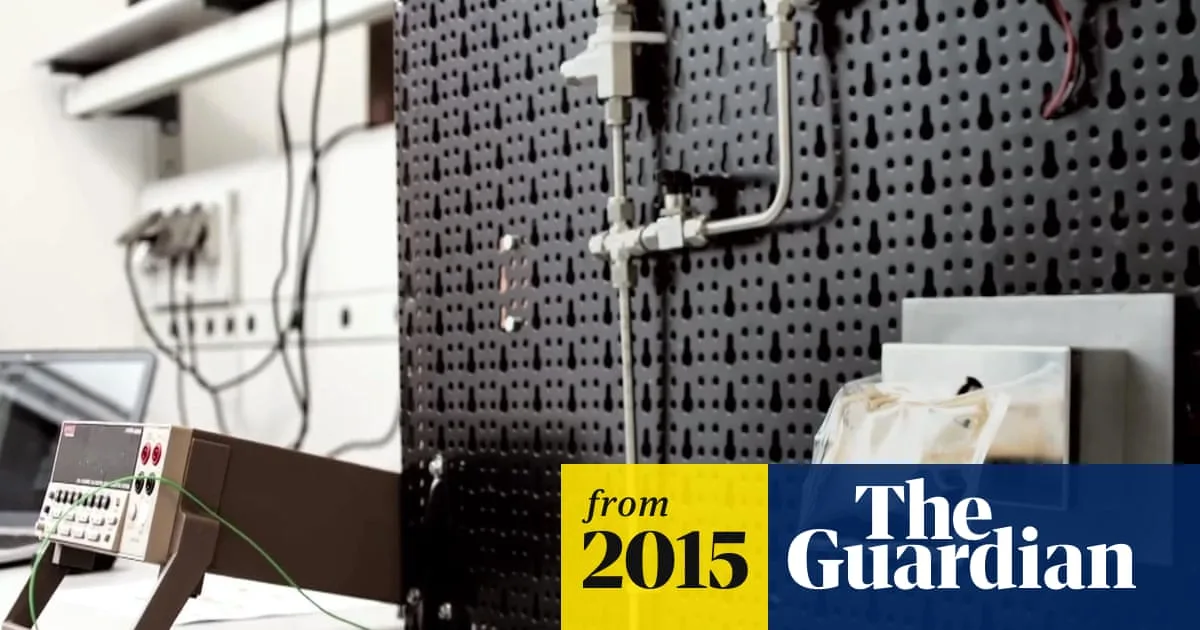
The result was the ISSPresso, a specially engineered 20-kilogram device developed through a partnership between Italian coffee brand Lavazza and aerospace engineering firm Argotec. This innovative machine was built to withstand pressures of up to 400 bar while delivering premium espresso into a specially designed plastic pouch suitable for consumption in microgravity.
Historic First Sip in Space
The installation of the ISSPresso led to a memorable milestone in 2015, when Italian astronaut Samantha Cristoforetti became the first person to enjoy an authentic espresso brewed aboard the International Space Station. This event highlighted how even routine comforts from Earth could be reimagined for the extreme environment of space.
After serving the crew for approximately two years in orbit, the original ISSPresso machine returned to Earth aboard a SpaceX spacecraft, concluding its unique mission. Its legacy remains as a testament to human ingenuity applied to both grand scientific pursuits and everyday quality-of-life improvements.
The ISS as a Symbol of Global Partnership
As NASA commemorated the station's 25th year of continuous operation, officials emphasised its role as a powerful symbol of international cooperation. The space agency noted that at least 290 individuals from 26 countries have visited the orbiting laboratory, contributing to scientific research, educational outreach, and commercial activities.
These missions, NASA stated, help demonstrate demand for future commercial space stations and form an important component of the strategy for enabling a robust commercial economy in low Earth orbit. The station's operational lifespan is currently scheduled to conclude around 2030, with mounting speculation about what structures or platforms might succeed this iconic outpost.
The story of the ISSPresso serves as a compelling footnote in the ISS's history, illustrating how human factors and creature comforts remain integral to long-duration space missions, even within one of the most technologically advanced environments ever created.