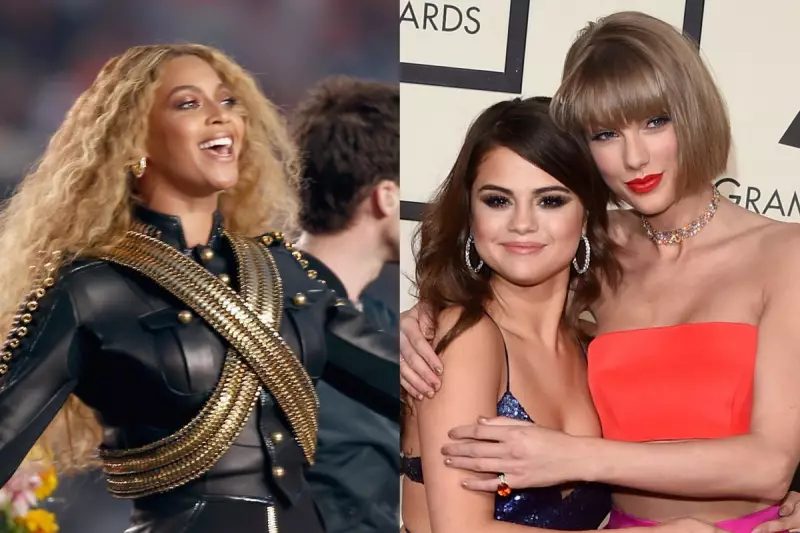
The dawn of 2026 has triggered a powerful wave of digital nostalgia, with social media platforms like Instagram and TikTok being flooded with throwbacks to 2016. A viral movement, encapsulated by the hashtag #BringBack2016, sees users declaring "2026 is the new 2016" as they dig out decade-old photos and videos.
The Metrics Behind The Meme
This is far more than a passing fad. According to data reported by the BBC, searches for the term "2016" on TikTok surged by a staggering 452 percent in the first week of January 2026. The trend has also spawned over 56 million videos using a specific hazy, lo-fi filter designed to mimic the aesthetic of that era. Feeds are filled with grainy iPhone snaps of people playing Pokémon Go, selfies adorned with the iconic Snapchat puppy filter, and meticulously carved eyebrows.
Why 2016? A Pop Culture Powerhouse
The ten-year anniversary is a clear catalyst, but 2016 was a uniquely momentous year for pop culture. It was the year Beyoncé dropped her seminal visual album Lemonade, and Taylor Swift debuted her platinum blonde hair at Coachella. Rae Sremmurd's "Black Beatles" soundtracked the viral Mannequin Challenge, while The Chainsmokers and Drake ruled the airwaves. The short-form video app Vine was in its final, wildly popular months. Celebrities like Selena Gomez and Charlie Puth have actively participated, sharing their own throwbacks to concerts and hit songs like "We Don't Talk Anymore".

Longing For A Simpler Digital World
Beyond the fashion and music, the trend speaks to a deeper, collective yearning. For many, 2016 represents a simpler time before major global upheavals. The coronavirus pandemic was still years away, and the prospect of two terms with Donald Trump as US president was only just emerging. Social media was not yet saturated with AI-generated content and rampant misinformation. As one X user wistfully posted, "Would love to return to life in 2016," a sentiment echoed by many online.
However, commentators urge caution against viewing the past through rose-tinted glasses. As The Independent's Katie Rosseinsky noted, 2016 had its own profound struggles, including the Pulse Nightclub shooting and the deaths of icons like Prince, David Bowie, and Carrie Fisher. The trend, she argues, showcases our "relentless capacity for nostalgia," transforming complex times into something fondly remembered from a distance. Ultimately, the #BringBack2016 phenomenon is less about rewriting history and more about a shared, digital longing for a recent past that feels distinctly separate from our present.