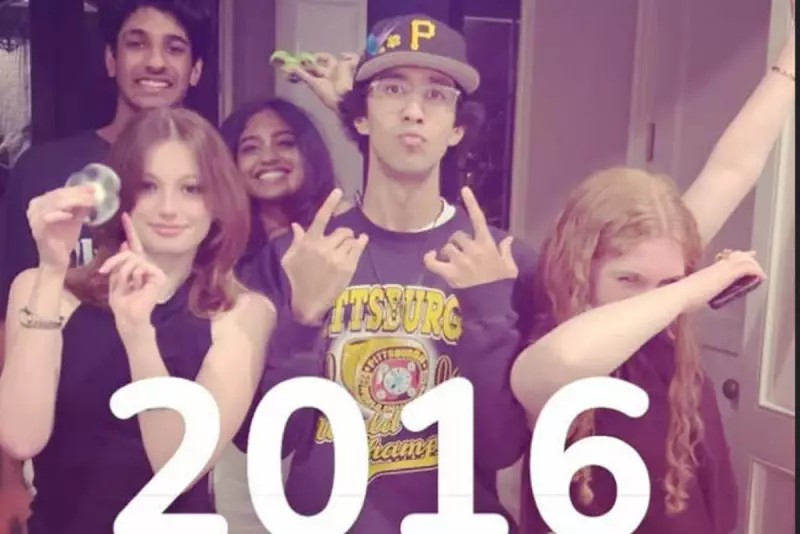
A peculiar wave of nostalgia has washed over social media, with millions declaring that 2026 is the new 2016. Across TikTok and Instagram, users are revisiting the aesthetics and pop culture of a decade ago, applying warm, lo-fi filters and sharing throwback selfies. But this rose-tinted look back is prompting a pressing question: are we conveniently forgetting how truly awful that year was?
The Digital Time Warp
The trend is undeniably massive. On TikTok, a filter named after 2016 has been used in over 55 million videos, while searches for the year have skyrocketed by 452 per cent. Instagram, then in its imperial phase, is flooded with photo carousels showcasing the era's hallmarks: heavy contouring, balayage hair, Snapchat puppy filters, and aggressively edited selfies. It's a fun, if slightly cringe-inducing, dive into digital amber, reminding everyone how young they looked a decade ago.
The cultural touchstones are also being resurrected: the global frenzy for Pokémon Go, the endless dissection of Taylor Swift's 'squad', and the shock of her brief romance with Tom Hiddleston. Netflix was still universally praised, and online discourse could, on occasion, be whimsical—remember the viral livestream of a puddle in Newcastle? This collective reminiscing highlights our relentless capacity for nostalgia, even for periods in the very recent past.

A Year of Loss and Political Upheaval
However, this romantic revisionism glosses over the stark reality. 2016 began with the devastating losses of David Bowie and Alan Rickman, events that sparked a widespread belief the year was cursed. This was tragically confirmed by the subsequent deaths of Prince, George Michael, and Carrie Fisher. The question 'Why are so many celebrities dying in 2016?' became a morbidly frequent headline.
More seismic, however, were the political earthquakes. In the United States, Donald Trump defied all expectations to defeat Hillary Clinton and win the presidency, a result that sent shockwaves across the globe and set a new, chaotic tone for international politics. Here in the UK, the Brexit referendum overturned the political order, triggering years of fraught negotiations, political instability, and deep societal divisions that have only widened since.
Laying the Foundations for Today's Chaos
It was the year 'post-truth' was named Word of the Year by the Oxford English Dictionary, perfectly capturing the growing distrust in institutions and the rise of online misinformation. The seeds were sown for the 'AI slop-stravaganza' and the fractured digital landscape of 2026. To claim things were simpler online back then ignores the fact the tools for our current hellscape were being forged.
At the time, the consensus was clear: 2016 was a nadir. The hashtag #F***2016 trended widely on a pre-Elon Musk Twitter. Its current reinvention as a joyful pinnacle perhaps says less about that year and more about our present. If even a year marked by Brexit, Trump, and collective mourning now seems like a refuge, it speaks volumes about the dark drama of the subsequent decade. One can only hope that in 2036, we won't be looking back at 2026's AI-generated selfies with the same misplaced fondness.