Teen Voices Emerge in Social Media Ban Debate
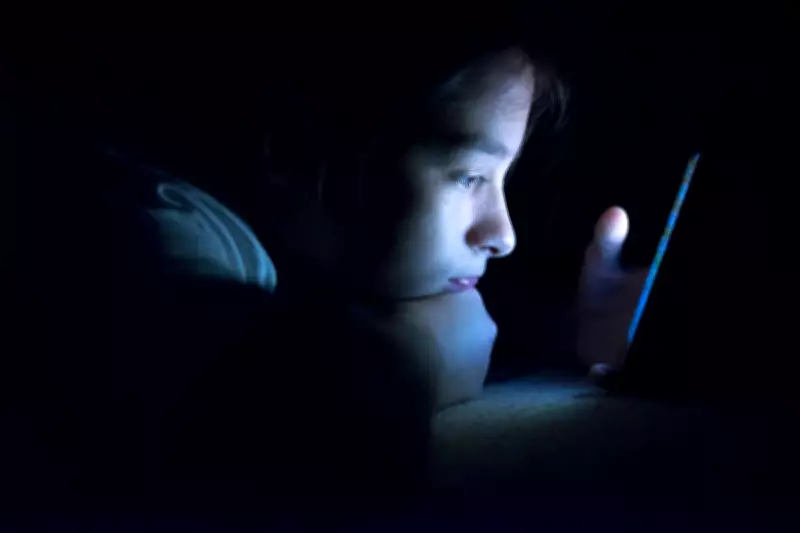
As political momentum builds for an Australia-style social media ban targeting users under 16 years old, three teenagers have shared their firsthand experiences of growing up in the digital age. The government's proposed restrictions have sparked intense debate among politicians, parents, and educators, but those most directly affected—young people themselves—are now adding their crucial perspectives to the conversation.
Political Pressure Mounts for Legislative Action
The House of Lords recently backed the proposed ban through a parliamentary vote, creating significant pressure on Prime Minister Sir Keir Starmer to approve the measure. This development occurred despite government efforts to delay definitive action by launching a three-month consultation period examining potential restrictions. Education Minister Baroness Smith of Malvern has attempted to reassure peers by promising an amendment that would allow implementation of consultation outcomes without requiring separate legislation.
Labour MPs report overwhelming constituent support for restricting social media access for young people, with many backbenchers hoping to see concrete proposals in the upcoming King's Speech scheduled for May. This annual address traditionally outlines the government's legislative priorities for the coming parliamentary session.

Gabriel Lam: Advocating for Phased Protection
Sixteen-year-old Gabriel Lam, co-founder of student campaign group Vote16, strongly supports implementing social media restrictions. He warns about the violent and harmful content that young people regularly encounter online and advocates for a phased approach: complete prohibition for children under 13, followed by tightly regulated access for those aged 13 to 16.
"Social media represents the only product that hasn't undergone rigorous safety testing to prove it's safe for young people," Lam explains. "We restrict cigarettes, alcohol, and films to specific age groups because we understand their dangers. Every other product children use has been safety tested, but social media platforms have avoided this scrutiny."
Lam believes the government should simultaneously hold technology companies accountable by regulating the algorithms that determine what content users see, rather than relying solely on blanket access restrictions.
Jessica Morris: Rural Isolation Concerns
For 16-year-old Jessica Morris, who lives in rural Scotland without peers nearby, social media serves as her primary connection to friends and the outside world beyond her family. "Social media constitutes an essential part of my everyday life," she reveals. "It's the only method I have for communicating with friends online. Even making plans to meet in person would be impossible without these platforms."
Morris expresses concern that teenagers would simply circumvent restrictions, potentially driving them toward more dangerous and unregulated online spaces. She characterizes a blanket ban as "useless" and believes it would unfairly punish young people for problems created by adults, though she does support implementing stronger safeguards to protect children from harmful content.
Elie Sabanci: Observing Benefits of Restrictions
Another Vote16 co-founder, 16-year-old Elie Sabanci, has witnessed positive outcomes from phone restrictions in school environments. While acknowledging that a comprehensive social media ban would present adjustment challenges, she believes it could ultimately benefit young people by restoring authentic human connections.
"Banning phones in schools was initially difficult, but communication and connection have significantly improved in the long term," Sabanci observes. She identifies the unrealistic standards and jealousy fostered by social media as particularly damaging to developing minds.
"Social media distorts perceptions of normalcy, making teenagers believe everyone else's life is perfect while they alone struggle," she explains. "Many people feel their childhood has been stolen by the constant pressure to engage with phones and trends. Removing this pressure could help restore a genuine sense of childhood."

Sabanci challenges the argument that bans would isolate young people from communities, suggesting that online connections often serve as escapes rather than solutions. "Community should occur in person, through human interaction," she asserts. "Social media has enabled people to avoid this. Online communities often function as excuses, and while removing them would be challenging initially, it could ultimately force people to seek authentic connections."
The Consultation Process Continues
The government's three-month consultation period continues as these contrasting teenage perspectives highlight the complex considerations surrounding young people's digital access. With political pressure mounting and young voices now contributing to the debate, the path forward remains uncertain but increasingly informed by those who would be most directly affected by any new restrictions.