The Unavoidable Moral Question of Social Media Use
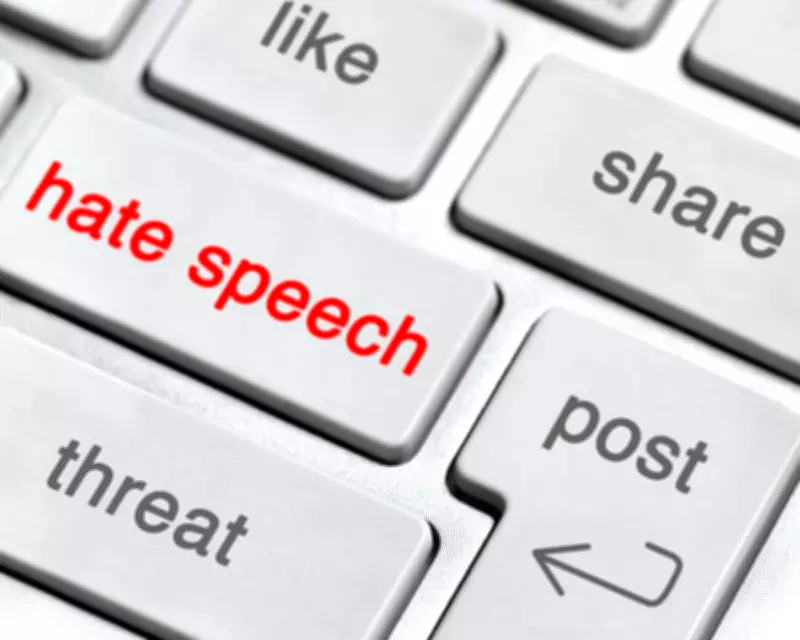
In an era where social media platforms are increasingly tainted by toxicity, a pressing ethical dilemma confronts everyone: is it still morally acceptable to engage with these digital spaces? This question gains urgency as major sites become breeding grounds for racism, misogyny, and extremist rhetoric, forcing users to reconsider their online presence.
Political Scandals and Platform Complicity
Recent events highlight the deep entanglement of social media with modern politics. As Prime Minister Keir Starmer faced calls to resign over scandals involving Peter Mandelson's connections to Jeffrey Epstein and a former aide's links to a sex offender, Labour MPs took to X to express support. One Labour figure admitted, "We've all been made to tweet," underscoring the irony of defending a leader on a platform that recently allowed sexualised images of women and girls. This situation reveals not only how X has become integral to political discourse but also a widespread indifference to violations against women, both online and offline.
The Contamination of Major Platforms
Virtually every major social media site now faces significant ethical issues. Since Elon Musk acquired X, the platform has amplified rightwing content, with Musk himself posting extreme racial views, while also hosting deepfakes of explicit images. Facebook, accused of data collection and election interference, removed fact-checkers ahead of Donald Trump's potential second term. Instagram, under Meta's Mark Zuckerberg, knowingly worsened body image issues among teenage girls, and TikTok has been criticised for exploiting children by exposing under-13s to self-harm content. The Guardian's revelation that Substack profits from Nazi newsletters further illustrates the no-win scenario for users, as even alternative platforms harbour hate speech.

The Psychological and Social Pull to Stay Online
Despite these disturbing trends, many users feel compelled to continue posting. This pull stems from more than just dopamine-driven habits; over the past 15 years, social media has evolved into a vital tool for connection, especially for marginalised groups like disabled individuals who rely on online networks for socialising and practical support. For oppressed communities, such as Palestinians using Bluesky to crowdfund for essentials or Iranians sharing protest updates, these platforms can be literal lifelines. The absurdity lies in how the same sites that enable mindless scrolling also facilitate critical survival efforts, creating a surreal dual reality for users.
The Normalisation of Harmful Behaviour
Social media often mirrors the very darkness users seek to escape, with feeds quickly filling up with racism, pro-Trump posts, Islamophobia, and other harmful content. This creates a false perception that such views represent broader society, exhausting well-intentioned people into believing resistance is futile. In politics, some argue that platforms like X help reach disenfranchised voters who get news from social media, yet scandals like Mandelson's show how unethical behaviour becomes normalised when tacitly condoned by those in power. If leaders like Starmer wish to demonstrate disdain for abuse or extremism, logging off could be a powerful statement.
A Call for Personal and Collective Responsibility
Ultimately, the dilemma extends beyond politics to everyday users who simply want to share personal moments without encountering hate. As Frances Ryan notes, posting a dog photo shouldn't involve exposure to Nazis, a demand that challenges the narrative of being overly sensitive. The growing toxicity necessitates a reevaluation of digital ethics, urging individuals and institutions to consider when it's time to walk away and prioritise human decency over online engagement.