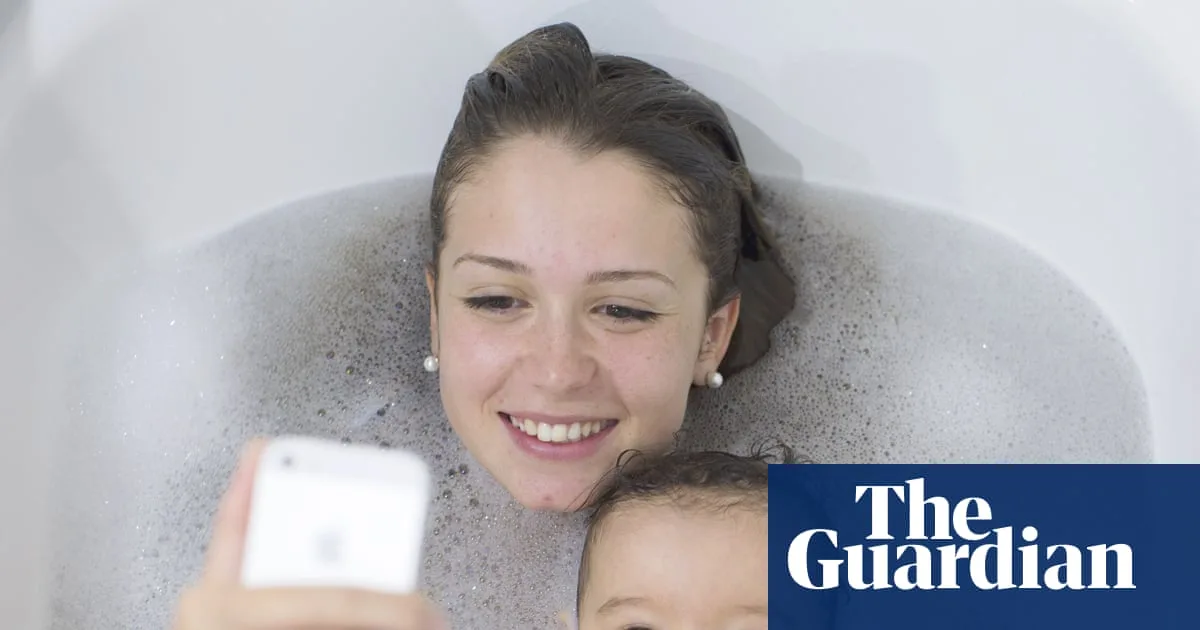
Academics and campaigners are calling for a more nuanced approach to 'sharenting' – the practice of parents sharing photos of their children on social media. In a letter to the editor, Dr Claire Bessant, associate professor at Northumbria Law School, argues that parents should not be vilified for sharing images, as many face pressure from family and friends to do so. She notes that research shows parents often struggle to balance privacy concerns with the desire to make family proud and respond to demands for photos.
Dr Bessant highlights that some parents become influencers to cope with financial pressures, workplace demands, and expectations to be physically present for their children. Once earning money from sharenting, she says, it can be difficult to stop, even if they later worry about their children's privacy. She points out that social media platforms and brands benefit from regular, appealing content featuring children, which sells products and generates valuable data.
Rather than criticising parents, Dr Bessant suggests helping them understand the risks and offering alternatives. She recommends private photo-sharing apps such as Kin and Familink as safer options for sharing with family. 'Let us stop criticising parents and instead think about how best we can ensure that parents, grandparents, aunts and uncles understand the potential consequences of sharenting,' she writes.
However, Rachel Linthe from Cambridgeshire argues that the harms are well known and that parents should stop. She says children have a right to privacy under Article 16 of the UN Convention on the Rights of the Child and Article 8 of the European Convention on Human Rights. 'What will it take before parents and society see this practice for what it is – inherently damaging to children?' she asks, noting that while governments consider banning young people from social media, children are still being paraded online by their caregivers.