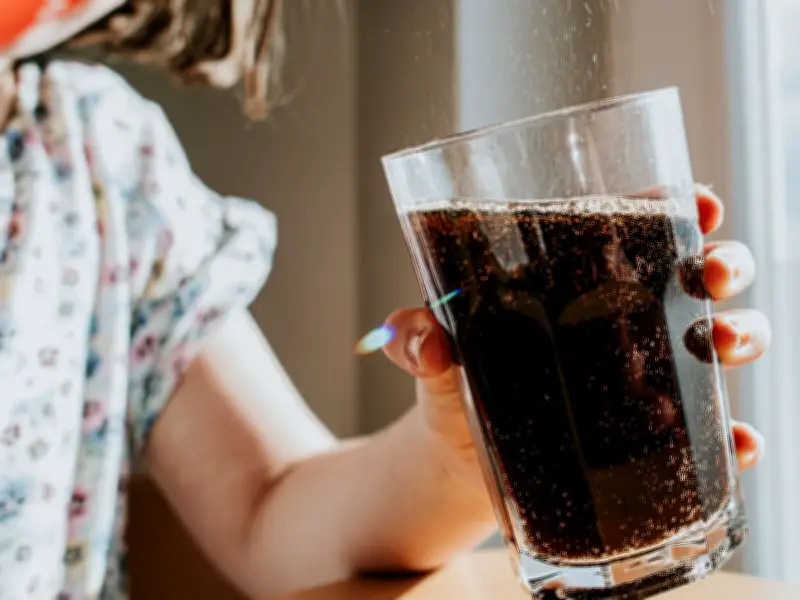
Pepsi, Pepsi Max, and Diet Pepsi may look similar, but each offers a different taste experience and nutritional profile. Fizzy drinks are enjoyed by millions worldwide, with Pepsi and Coca-Cola standing as two of the most recognisable and competitive soft drink brands. Alongside the original Pepsi, the brand has introduced variations that differ in recipes, sugar content, calorie levels, caffeine, and taste.
History of Pepsi
Pepsi-Cola was created in 1898 by North Carolina pharmacist Caleb Bradham. The first recipe combined carbonated water, sugar, caramel, lemon oil, kola nuts, vanilla, and other flavouring ingredients. Launched in 1893 as "Brad's drink," it was renamed "Pepsi-Cola" in 1898. The drink quickly gained popularity, with Pepsi expanding its bottling operations and registering its trademark in Canada by 1906.
Despite early growth, the brand faced financial difficulties during World War I due to sugar shortages and rising costs, eventually leading to bankruptcy in 1923. Its assets were sold to Craven Holding Corporation for $30,000. According to Pepsi, "During the 50s, Pepsi wanted to get rid of its image as the cheap 'kitchen cola'. Then a new advertising campaign was launched with the message: 'Be sociable. Have a Pepsi'." By 2007, Pepsi rebuilt its success and expanded its range with sugar-free alternatives, including Diet Pepsi and Pepsi MAX. In 2015, Pepsi MAX was renamed Pepsi Zero Sugar in North America, while the Pepsi MAX name continued internationally. In 2023, Pepsi celebrated its 125th anniversary with a new logo and visual identity.

Popularity of Pepsi in the UK
In the UK, Pepsi has seen strong growth. The brand added £65.9 million in value, with volumes increasing by 4.4%, helped in part by a lower average price per pack compared with its main rival. Sales are increasing, particularly as consumers turn to its sugar-free option, Pepsi Max, now the UK’s biggest-selling cola by units, worth £820.9 million, according to The Grocer's 2026 report.
Nutritional Values and Caffeine Content
According to Decaffeinated Coffee, a standard 12 fluid ounce can of Pepsi typically contains approximately 37 to 38 milligrams (mg) of caffeine. A 16.9 fl oz bottle holds about 53 mg, and a 20 fl oz bottle contains around 63 mg. Diet Pepsi has a marginally lower caffeine content: in a 12 oz serving, it contains roughly 35 to 36.7 mg. Pepsi Max (also known as Pepsi Zero Sugar) stands out with significantly higher caffeine: a 12 oz serving boasts approximately 69 mg, almost double that of Regular Pepsi.
Nutritional values per 100ml and per 330ml serving for Pepsi are: Energy 78kJ/18kcal per 100ml, 257kJ/61kcal per 330ml; Fat 0g; Saturates 0g; Carbohydrate 4.6g per 100ml, 15g per 330ml; Sugars 4.5g per 100ml, 15g per 330ml; Protein 0g; Salt <0.01g per 100ml, 0.01g per 330ml.
Differences Between Pepsi Max and Diet Pepsi
An expert at the Takeout commented: "They're both sugar-free colas, but they're built for different taste buds. Some people swear by Diet Pepsi for its crisp, lighter finish. Others say Pepsi Zero (Pepsi Max) tastes more like regular Pepsi with a bit of extra kick. If you're just trying to ditch the sugar, either one works. But flavour-wise, they're not really interchangeable."
The expert continued: "The main split between Diet Pepsi and Pepsi Zero is what they contain. Diet Pepsi keeps things simple with carbonated water, caramel colour, aspartame, phosphoric acid, and natural flavours. It's lower in caffeine than regular Pepsi and definitely lighter than Pepsi Zero." Diet Pepsi offers a lighter, smoother cola flavour with a cleaner taste and drier finish than regular Pepsi. Pepsi Max is made with a blend of sweeteners including acesulfame potassium and aspartame, providing a stronger flavour while staying sugar-free. It also contains more caffeine than Pepsi and Diet Pepsi, appealing to those wanting extra intensity and energy.
Is Pepsi Max Good for You?
While Pepsi Max has no nutritional value, it can help with maintaining a calorie deficit. The NHS found that artificial sweeteners are safe to consume in moderation. However, lower and no-calorie sweeteners do not automatically make foods or drinks healthy, but they can help reduce sugar intake and lower the risk of tooth decay when replacing sugary products.