Peloton Instructor's Viral Stand Against Offensive Username
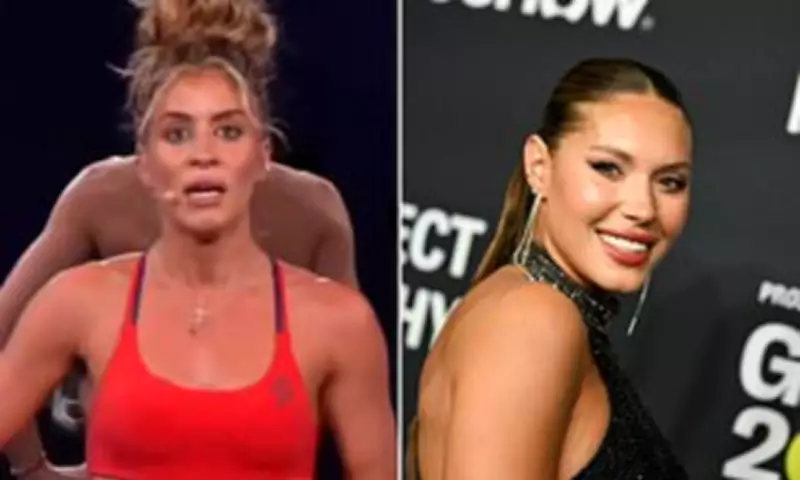
The digital realm possesses an enduring memory, a reality that former Peloton fitness instructor Kendall Toole recently experienced firsthand. The typically effervescent coach found herself at the centre of an online storm after a resurfaced clip showed her publicly reprimanding a participant during a live cycling class for an offensive username.
The Incident That Captured the Internet's Attention
During one of her popular 2023 cycle sessions, Toole, who dedicated five years to the platform, noticed a profoundly objectionable name appear on the leaderboard screen. Her immediate, unfiltered response was captured for posterity. 'Get 'em banned. We don't do that here,' she declared emphatically in the now-viral footage. 'Oh, now I'm p**sed.' The 33-year-old instructor added with firm resolve, 'I ain't the one, baby. I take no disrespect.'
This uncompromising stance transformed Toole into an overnight sensation on social media platform X, formerly known as Twitter. As the video circulated widely, viewers engaged in widespread speculation about the nature of the username that could provoke such a vehement reaction. Numerous other snippets from her Peloton tenure began recirculating online, further fuelling public curiosity.

Clarifying the Controversial Username
In subsequent discussions with the Daily Mail, Toole addressed the viral moment with characteristic candour. 'My reaction [after realizing I was trending] was "oh no" because it's the internet,' she explained. 'It's virality, it usually tends to turn in a negative way.'
The fitness professional, who departed Peloton in 2023 and has since launched her own application called NKO, clarified persistent rumours about the offensive name. 'There was a rumor that it was because the leaderboard name was pedal file [alluding to "pedophile"], which I agree is a terribly heinous name - but it wasn't that,' she stated unequivocally.
Instead, Toole revealed the actual username was 'a really heinous, really, really awful, racist username' - a designation she immediately challenged during the live session. 'I don't work at Peloton anymore. I left over a year and a half ago, but it's kind of funny that things find their way back,' she reflected on the clip's unexpected resurgence.
The Culture of Provocative Usernames and Instructor Responses
Reflecting on her time in the digital spotlight, Toole explained that participants frequently attempted to create usernames designed to embarrass instructors if spoken aloud during classes. 'It was becoming a trend where I would say a username, it was more of an innuendo, and then they'd clip it and go really viral on TikTok,' she described.
While acknowledging that playful, cheeky interactions could be entertaining, Toole emphasized the distinct nature of this particular incident. 'I'm fine if something is fun and games and silly and kind of cheeky, but this was very awful and very heinous, and it made me clearly very upset,' she continued. 'I said to the control room, "get this person banned, they need to go," because I could see that it was a new account as well. So this person just had, like, nefarious intent.'
The offensive name genuinely distressed Toole, who expressed concern about anyone logging into Peloton and encountering such objectionable content while attempting to exercise. 'I'm happy people are enjoying this as an example to stand up for your boundaries. I think that's a great thing.'
The Pandemic-Era Phenomenon of Fitness Celebrity
The Florida-based coach contextualized her experience within the unique circumstances of the COVID-19 pandemic, when Peloton's popularity surged dramatically during lockdown periods. Instructors evolved into pseudo-celebrities, fostering intense para-social relationships with their virtual audiences.
'[Being a Peloton instructor] was the most intense kind of para-social relationship,' Toole observed. 'We were kind of everyone's person,' she reflected. 'They would see you every single day, they sweat with you, it was a strangely intimate thing, because you're helping people feel good while the world feels awful.'

Toole characterized this dynamic as the 'strangest form of celebrity,' distinct from traditional fame based on artistic or acting accomplishments. 'Because it wasn't being a celebrity, because you're an artist or an actor and you have something that you're providing, you're just teaching them a fitness class,' she explained. 'People really stuck to you because of your own personal energy and your own vibe, so it was kind of like an intense influencer-like creator relationship, where we all kind of feel connected to that person because we follow them through life.'
This celebrity status carried significant pressures and vulnerabilities. '[You're] live on camera with 40 people in a room and 10,000 people in a class,' she pointed out. 'I guess I just don't have a filter on camera, for better or for worse.'
Ultimately, Kendall Toole's viral moment transcends mere internet notoriety, serving as a compelling case study in digital accountability, boundary-setting in virtual spaces, and the complex dynamics of pandemic-era fitness fame. Her unapologetic response continues to resonate as both a cultural artifact and a statement about acceptable conduct in online communities.