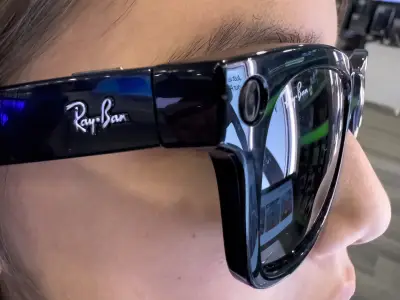
Meta, in partnership with Ray-Ban, has released a new generation of smart glasses that are virtually undetectable and capable of recording video and taking photos with a simple voice command or touch. The glasses, which look like ordinary eyewear, have raised alarm among privacy advocates who warn they could be used for non-consensual surveillance and harassment.
Always-On Recording Capabilities
The glasses feature a built-in camera that can capture 1080p video and 12MP photos. They are designed to be always on, with the ability to stream live to Facebook or Instagram. Critics argue that the lack of a visible recording indicator makes it easy for wearers to secretly film others without their knowledge or consent.
According to a report by The Guardian, the glasses have been dubbed "pervert's dream" by some commentators, who fear they will be used to invade privacy in public spaces. The article, written by First Dog on the Moon, satirically notes that the glasses are "undetectable, always on and always sending data back to Pervert Headquarters."
Privacy Concerns and Legal Gaps
Privacy experts have highlighted the potential for abuse. "The problem is that these glasses make surveillance easy and invisible," said a spokesperson for Privacy International. "We need stronger laws to protect people from being recorded without their consent." Currently, laws around covert recording vary widely by jurisdiction, with many places lacking specific regulations for wearable cameras.
Meta has stated that the glasses include privacy features such as a small LED light that illuminates when recording. However, critics say the light is too small and easily obscured. The company also notes that the glasses comply with local laws, but advocates argue that the technology outpaces existing legal frameworks.
Reactions and Calls for Regulation
The launch has sparked debate on social media and among tech commentators. Some see the glasses as a useful tool for content creators, while others view them as a step too far in the erosion of privacy. Privacy groups are calling for clear regulations that require conspicuous recording indicators and prohibit secret filming in private spaces.
As the glasses hit the market, the conversation around digital privacy and consent is more urgent than ever. With technology advancing rapidly, the line between public and private continues to blur, leaving many to wonder who is watching whom.