In an era dominated by digital interactions, many of us have forgotten the simple joy of spontaneous conversation. Recently, I experienced a profound moment of connection that starkly contrasted with my usual social media habits. After a lengthy chat with strangers in an ultrasound clinic waiting room, I felt something rare after typing a message online: lightness, happiness, and genuine contentment.
The Health Crisis of Loneliness in a Digital Age
Last year, experts established the first-ever guidelines to combat loneliness, revealing startling statistics about its health impacts. Social isolation poses greater risks than sedentary lifestyles and obesity, with mortality rates comparable to smoking. This epidemic is particularly concerning in our technology-driven society, where public forums have been surrendered to tech billionaires who increasingly control our social interactions.
We find ourselves increasingly siloed, addicted to online spaces, and paradoxically lonely despite constant digital connectivity. The situation has reached such extremes that some tech leaders now promote artificial intelligence companions as substitutes for human friendship and confidants.

Taking Back Control Through Real-World Engagement
Determined to reclaim the power of authentic social connection, I've consciously begun making time for conversations with strangers in actual public forums. Whether at the local cafe, public square, community events, or dog park, these interactions have become my personal rebellion against the isolation fostered by social media platforms.
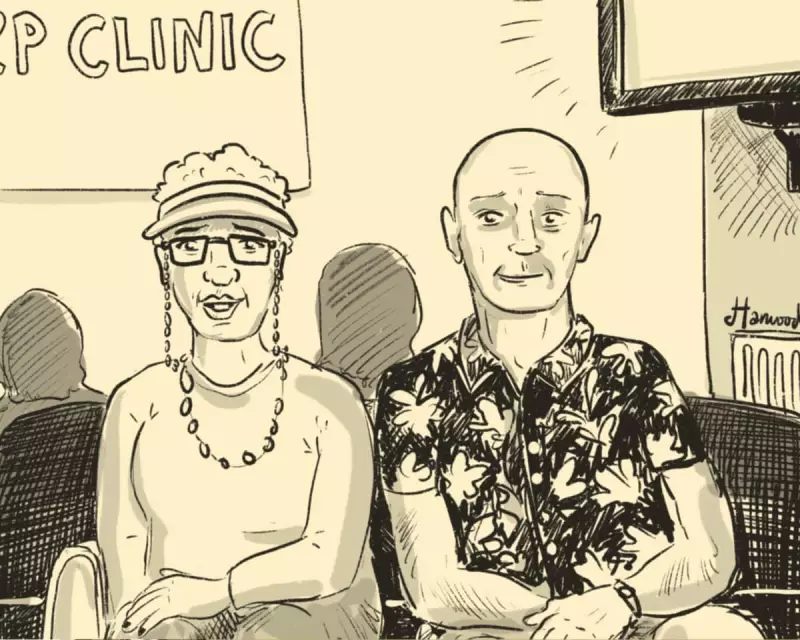
My turning point came during that ultrasound clinic encounter. When a woman complimented my skirt, I could have simply thanked her and returned to my phone. Instead, I made a deliberate choice to put my device away and remain open to connection. Our conversation unfolded beautifully, covering theatre, travel, politics, and even the ancient Irish origins of bards. We became so engrossed that the receptionist eventually had to ask us to leave at 5:05pm – the clinic staff had already gone home!
Practical Approaches to Offline Connection
For those seeking to increase their real-world social interactions, becoming a tour guide might seem extreme, though it worked wonderfully for me. Through She Shapes History, I lead women's history walking tours in Sydney, taking sixteen strangers on journeys to discover incredible women from the city's past. The energy and connection from these experiences leave me positively buzzing afterwards.
Fortunately, numerous everyday situations present opportunities for meaningful exchanges. Recently at a cricket match, my neighbours and I enjoyed eight hours of conversation alongside the game. I learned surprising facts – including that a special stadium balloon was actually a blown-up condom, how to locate the slips on the field, and that Rolls-Royce manufactures jet engines (potentially useful for future trivia nights!).
The Inconvenient Truth About Community Building
The most important lesson I've rediscovered is that genuine community isn't always convenient. It can be annoying, time-consuming, and requires real effort without guaranteed positive outcomes. Not every interaction will be rewarding, and life's demands – juggling children, grocery shopping, or work commitments – understandably limit our availability.
I'm not suggesting you make time whenever someone wants to talk. Rather, when you have capacity and a stranger opens up to you, consider lingering for just a minute to see what unfolds. The price of belonging and feeling connected is putting yourself out there, but the rewards far outweigh the risks. A brief, genuine conversation consistently proves more satisfying than endless phone scrolling.
Ultimately, we should pursue these connections precisely because the tech industry doesn't encourage them. By engaging with real people in physical spaces, we reclaim our social autonomy and combat the loneliness epidemic that technology has inadvertently exacerbated. The power of people and good conversation remains real, accessible, and profoundly healing.