The dawn of 2026 has triggered a powerful wave of digital nostalgia, with social media platforms becoming awash with throwbacks to a seemingly simpler time: the year 2016. A new trend, encapsulated by the phrase '2026 is the new 2016', has users flooding Instagram and TikTok with grainy photos, lo-fi filters, and wistful captions longing for the pop culture of a decade past.
The Numbers Behind the Nostalgia Boom
This is not a niche interest but a full-blown viral movement. According to data reported by the BBC, searches for the term '2016' on TikTok surged by a staggering 452 percent in the first week of January 2026. Furthermore, a specific hazy filter inspired by the era has been used in more than 56 million videos on the platform. Users are meticulously scouring their digital archives from ten years ago, sharing carousel recaps and low-quality videos that define the aesthetic of the period.
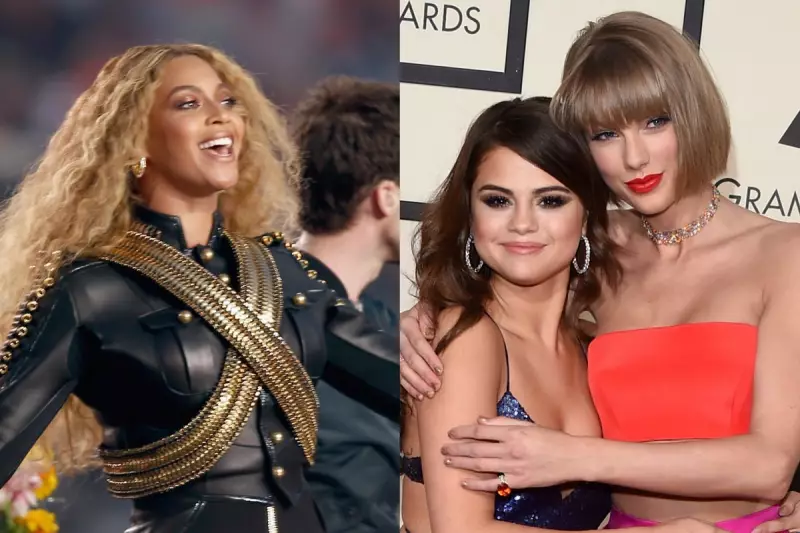
This includes everything from photos with the iconic puppy dog Snapchat filter and intensely carved eyebrows to memories of the global phenomenon Pokémon Go. The trend has also been embraced by major celebrities, with Selena Gomez posting tour throwbacks and Charlie Puth lip-syncing to his 2016 hit 'We Don't Talk Anymore'.

Why 2016 Holds Such Sway
The trend coincides neatly with the ten-year anniversary, but the cultural weight of 2016 is a significant driver. It was a landmark year for music and internet culture. Beyoncé released her seminal visual album 'Lemonade', Taylor Swift debuted her bleached blonde hair at Coachella, and Rae Sremmurd's 'Black Beatles' soundtracked the viral Mannequin Challenge. The airwaves were dominated by The Chainsmokers and Drake, and the short-form video app Vine was in its final, wildly popular months.
However, commentators suggest the trend runs deeper than mere aesthetics. For many, 2016 represents a 'calm before the storm', a time before the coronavirus pandemic, before two terms of a Donald Trump presidency, and before the current deluge of AI-generated content and misinformation on social media. Online, users express a desire to return to what they perceive as a more straightforward world.
A Rose-Tinted View of History?
While the trend paints 2016 in a warmly nostalgic light, critics argue it offers a selective memory. The year had its own profound struggles and tragedies, including the Pulse Nightclub shooting in Orlando and the deaths of iconic figures like Prince, David Bowie, and Carrie Fisher.
As argued by The Independent's Katie Rosseinsky, this reinvention of 2016 as a joyous pinnacle highlights our 'relentless capacity for nostalgia', demonstrating an ability to soften even recent difficult times when viewed from a distance. The '#BringBack2016' movement, therefore, is as much a commentary on the anxieties of the present as it is a celebration of the past.
Ultimately, whether viewed as harmless fun or historical revisionism, the trend's viral success proves that a decade is all it takes for a recent era to become a powerful source of collective longing and identity online.