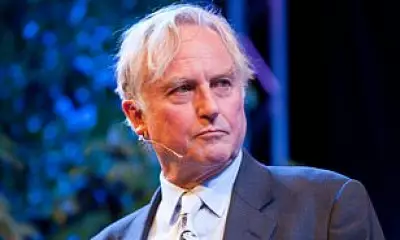
Keir Starmer Unveils Stricter Social Media Regulations to Tackle Harmful Content
In a significant policy announcement, Labour leader Keir Starmer has detailed plans for new social media restrictions designed to combat the spread of harmful content online. The proposals, which aim to enhance user protection and promote digital safety, have ignited a robust debate across political and public spheres regarding the balance between free speech and regulatory oversight.
Key Components of the Proposed Restrictions
The restrictions outlined by Starmer focus on several critical areas to address the growing concerns over online harms. Firstly, the plans include mandatory content moderation requirements for major social media platforms, compelling them to actively monitor and remove material that is deemed harmful, such as hate speech, misinformation, and cyberbullying. This move is intended to create a safer digital environment, particularly for vulnerable groups like children and teenagers.
Additionally, the proposals advocate for increased transparency in algorithmic processes, requiring platforms to disclose how their recommendation systems operate and to mitigate the amplification of divisive or dangerous content. Starmer emphasized that these measures are essential to prevent the rapid dissemination of harmful narratives that can have real-world consequences.

Political and Public Reactions
The announcement has elicited mixed reactions from various stakeholders. Supporters argue that the restrictions are a necessary step to curb online abuse and protect mental health, citing rising instances of digital harassment and the impact of misinformation on public discourse. Advocacy groups have praised the focus on safeguarding users, especially in light of recent high-profile cases involving online toxicity.
However, critics, including some free speech advocates and tech industry representatives, have raised concerns about potential overreach and the implications for freedom of expression. They warn that overly stringent regulations could stifle legitimate debate and innovation, while also posing challenges for enforcement and compliance. The debate underscores the complex interplay between security and liberty in the digital age.
Implementation and Future Outlook
Starmer's plans are part of a broader Labour strategy to modernize digital governance, with proposals for a dedicated regulatory body to oversee compliance and impose penalties on non-compliant platforms. The restrictions are expected to be phased in gradually, with consultations planned to refine the details and address stakeholder feedback.
Looking ahead, the success of these measures will likely depend on collaboration between government, tech companies, and civil society. As social media continues to evolve, the need for adaptive and effective policies remains paramount to ensure a balanced approach that prioritizes both safety and fundamental rights.